Problem statement: procurement failing to control costs and compliance
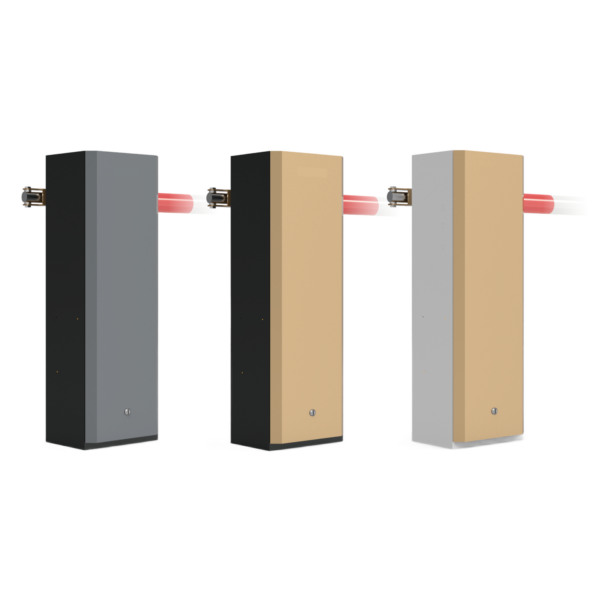
Procurement teams typically face the same three failures: fragmented requirements, vendor features that don’t match operational workflows, and underestimated integration costs. When a purchase prioritizes short-term hardware savings, meters and gates become islands rather than a coordinated system; that’s why prioritizing lpr parking management systems for gate automation and accurate occupancy reconciliation should be a baseline requirement, not an optional upgrade.
Set measurable objectives and financial thresholds
Define three financial metrics up front: total cost of ownership (TCO) over 7 years, payback period from recovered revenue/operational savings, and acceptable variance to budget (usually ±15%). Translate operational goals into KPIs: permit utilization, average dwell time, enforcement success rate, and per-space revenue. Tie each KPI to a contract penalty or incentive to align vendor performance with budgetary targets.
Technical requirements: architecture, interfaces, and scale
Specify system architecture using clear API, data model, and throughput requirements: simultaneous LPR reads per second, expected peak API calls, latency SLA for authorization calls, and retention period for image and transaction logs. Demand open, documented REST APIs, SAML/OAuth2 for identity, and a microservice-friendly design. Plan capacity for future scale: define expected annual bay-growth and require modular expansion without full hardware replacement.
Data governance, privacy, and security controls
Require a data classification table and encryption standards: AES-256 at rest, TLS 1.2+ in transit. Insist on role-based access control with audit trails, breach notification timelines (maximum 72 hours), and described data deletion processes tied to retention policy. If operating in multiple jurisdictions, capture jurisdiction-specific compliance in the SOW and allocate responsibility for cross-border transfer decisions.
Commercial terms, SLAs, and performance guarantees
Negotiate a blended pricing model: capital hardware, recurring license, and a variable operations fee linked to measurable KPIs. Include clear SLAs for uptime (99.5% for core services), mean time to repair (MTTR), and software patch cadence. Require escrow for source code or an exit plan with data export formats and a migration assistance clause to prevent vendor lock-in.
Procurement governance and stakeholder alignment
Map stakeholders early: operations, finance, IT, legal, enforcement, and customer service. Use vendor scorecards with weighted criteria—technical fit 35%, commercial terms 25%, support and training 20%, security and compliance 10%, references 10%. Run a pilot with acceptance criteria defined in the contract rather than informal test drives.
Common pitfalls and how to avoid them
Buyout risk is real: avoid single-supplier dependencies for both hardware and cloud services. Underestimating installation and civils is the second major error—get site surveys and conduit estimates before final bids. Finally, don’t accept vague maintenance SLAs; require defined response windows and replacement obligations for failed cameras, sensors, and barriers.
Evidence and industry alignment
Procurement decisions should reflect industry practice and case study evidence. Industry events such as the International Parking & Mobility Institute annual conference highlight deployments and compliance trends that validate these procurement principles, and they often showcase integrated solutions for municipal permit programs like parking permit management system.
Decision checklist and next steps
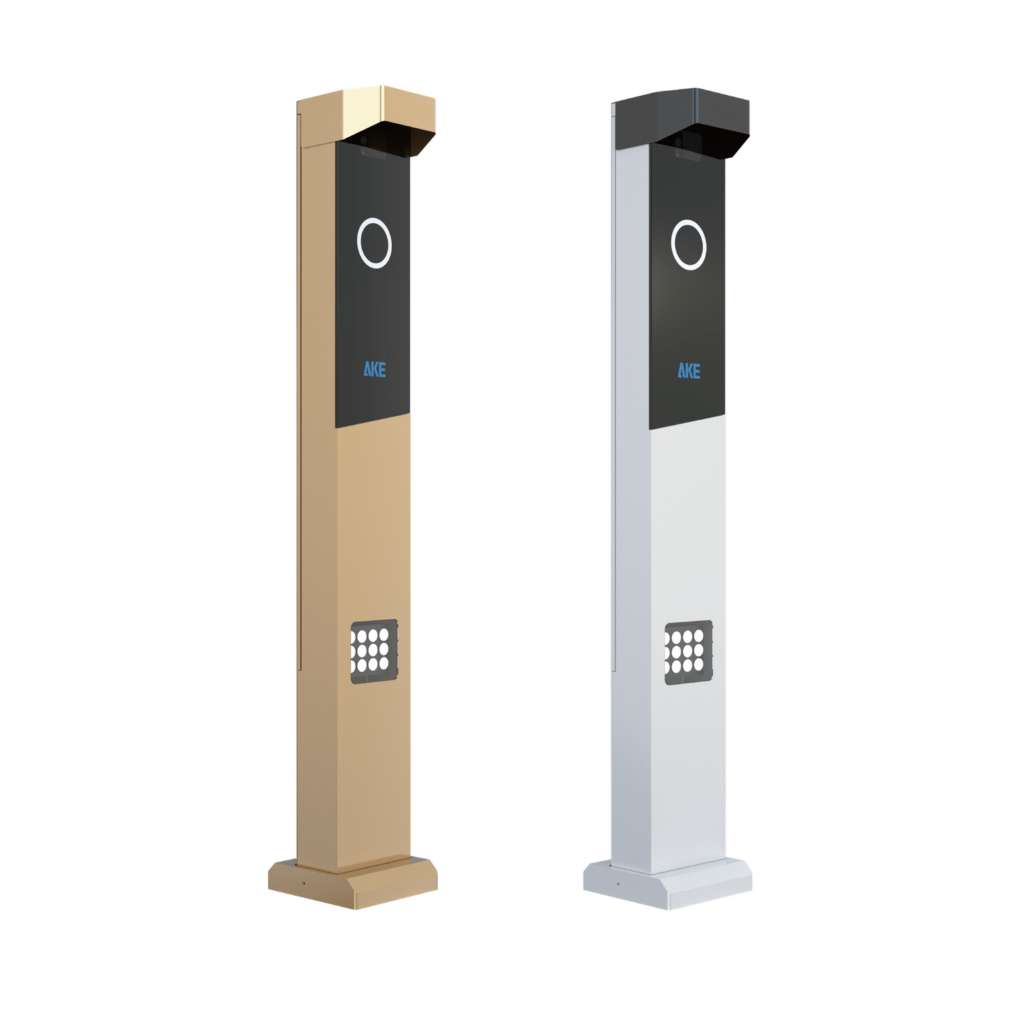
Use this short checklist when finalizing an RFP: 1) Confirm KPIs and financial gates; 2) Require documented APIs and security controls; 3) Mandate pilot acceptance criteria; 4) Include exit and migration clauses; 5) Score vendors with the weighted scorecard. Avoid procurement decisions driven solely by lowest initial bid; enforce lifecycle costing and operational fit as the deciding factors. When evaluating vendors against these standards, many teams find pragmatic, modular implementations from AKE Parking reduce integration complexity while preserving commercial discipline.