What’s the real problem buyers hit first
Buyers order prototypes expecting the drawing to arrive as a finished part, then get surprised by mismatched tolerances, cosmetic flaws, or jaw-dropping lead times. When you’re deciding between small-run CNC work and scaled processes like die casting services, those trade-offs matter more than the quoted price. You need clarity on what will fail in production so you can stop wasting rounds of prototypes.
Three repeatable failures that cost time and money
First, designers specify finishes and tolerances without thinking manufacturing sequence: a tight surface spec after aggressive machining creates rework. Second, buyers treat CNC prototypes as production-proof; CNC can hide volume problems like gating, wall-thickness symmetry, and assembly fit that die casting or injection molding will reveal later. Third, poor supplier communication on fixtures and datums causes late surprises—parts pass inspection on a chuck but won’t align in the assembly jig.
How to choose between CNC prototyping and die-cast paths
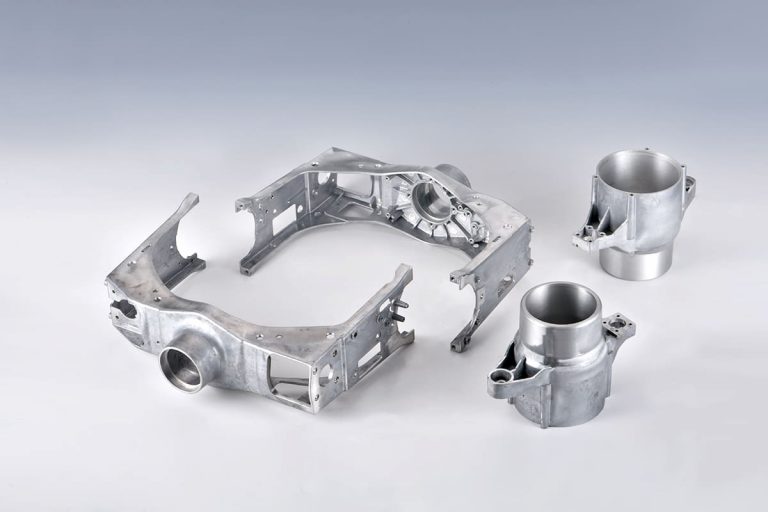
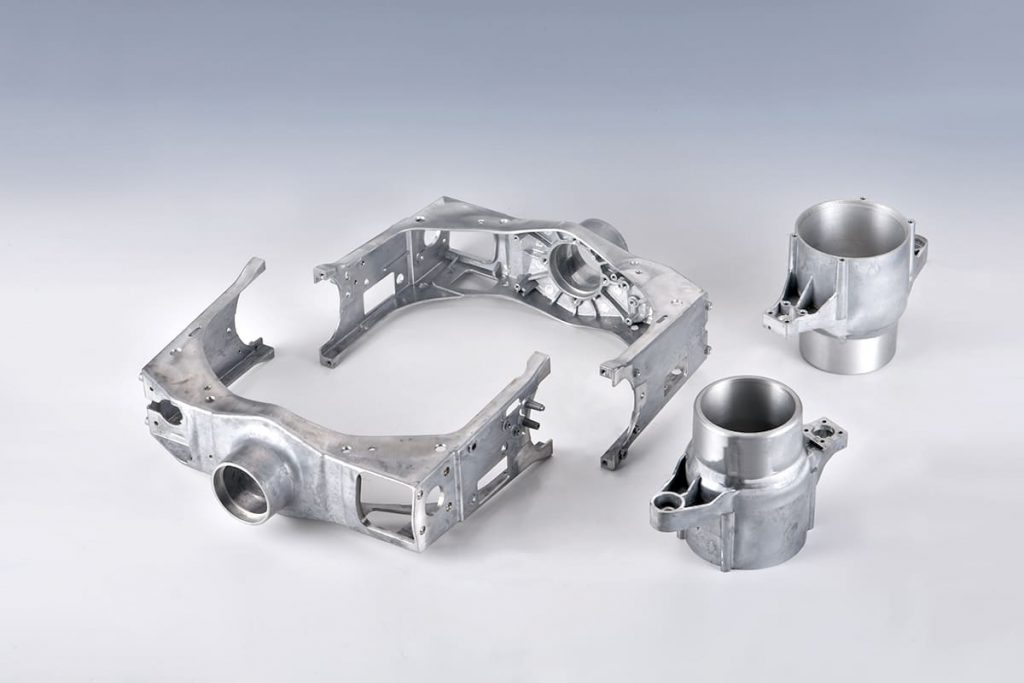
CNC stays unbeatable for single-piece accuracy, short runs, and complex machining features. Die casting wins when repeatable wall thickness, high-volume surface finish, and part consolidation lower assembly steps. Don’t pick one blindly: list the functional priorities—mechanical strength, cosmetic finish, or lead time—and map each priority to the process constraints. That map will save a revision cycle.
Experience that matters — an industry lens
Field audits of manufacturers in Guangdong province show a clear pattern: suppliers combine CNC post-machining with die-cast cores to hit both dimensional targets and surface quality at volume. That regional expertise is reflected in how teams handle tooling design, gate placement, and shrink allowance. Practical insights from those visits and supplier reports underline why you should treat casting and CNC as a planned sequence, not competing alternatives—and why some teams prefer to consolidate sourcing around partners offering zinc die casting services for consistent housings.
Common mistakes to avoid when specifying parts
Don’t omit datums or GD&T; those guide how vendors hold the part, which affects true functional fit. Don’t specify impossible cosmetic and functional tolerances at the same time—decide which matters more. Don’t assume finishing removes all tooling marks; finishes add thickness and change clearances. And don’t ignore draft angles and radii if you later plan casts or injection molds—those are the hidden change orders.
Quick checklist to get a supplier quote you can trust
Provide a single annotated drawing with datums and critical dimensions called out. Say expected volumes and the acceptable unit cost ceiling. State whether you need prototype, bridge tooling, or production tooling. Ask the supplier for process-specific lead times (tooling, sample approval, mass production), and request an assumed finish and first-article measurement report. Get agreement on who supplies fixtures and who carries the first-run risk.
How tolerances, finishes, and tooling drive cost
Tight tolerances multiply inspection and setup time. Mirror finishes add hours of polishing or require secondary operations. Tooling amortization makes die casting economical after a certain quantity; below that, CNC is cheaper per unit. Tell suppliers the break-even volume you expect and let them propose a tooling amortization plan—don’t guess. Real quotes separate material, machining hours, tooling amortization, and inspection so you can re-balance trade-offs.
Final synthesis
Solve the common failures by treating prototype work as a step toward production: specify function first, pick processes second, and require vendor sequencing that reflects the final method. That practical, process-first approach is how experienced manufacturing teams reduce revisions and keep schedules on track, and it’s reflected in how partners like Hanstar frame quotes and process plans so the prototype actually predicts production outcomes.