Putting the Operator at the Center
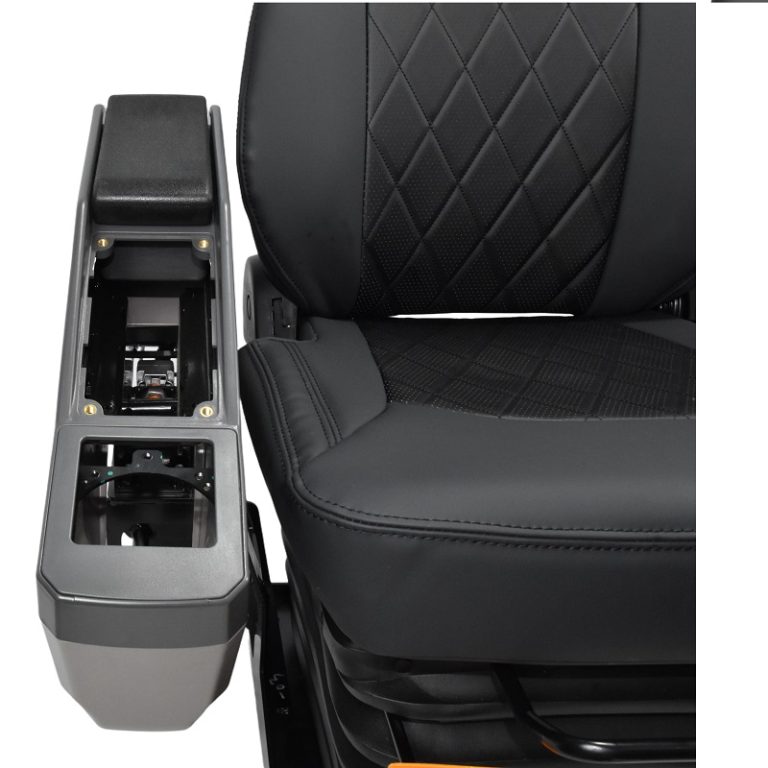
Farmers and equipment operators spend long hours in the cab; the right seat turns endurance into performance. Start with the operator’s daily reality—posture, vibration exposure, and task variety—and build from there. For many fleets that means upgrading to a modern construction machinery seat that combines suspension and ergonomic foam, reducing fatigue and keeping productivity steady through harvest and beyond.
What Truly Matters: Features That Deliver
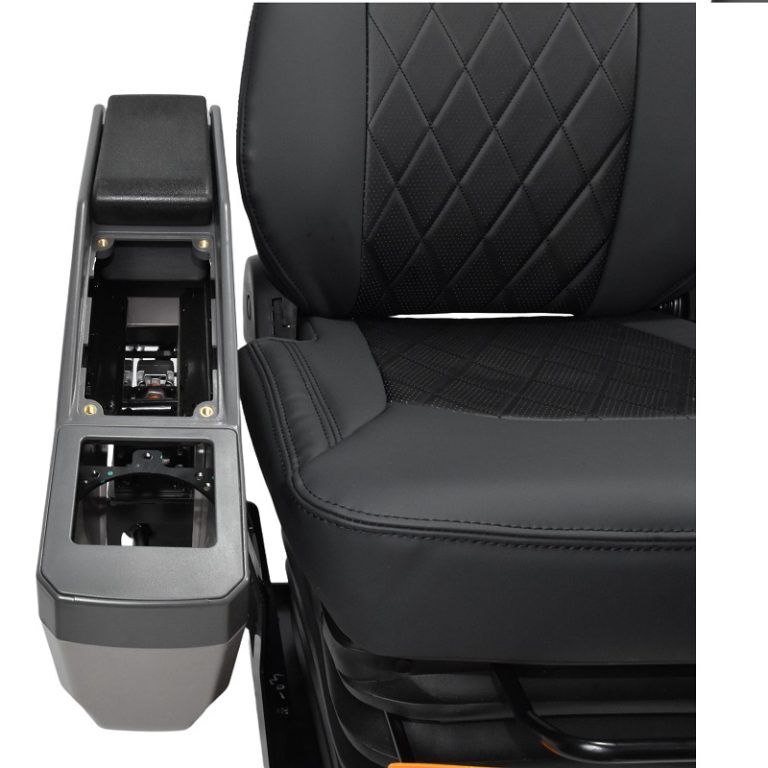
Focus on three core attributes that produce measurable comfort and control: vibration isolation, lumbar support, and adjustable suspension. Vibration isolation limits whole-body shock events that erode concentration. Proper lumbar support preserves spinal alignment during repeated machine cycles. Adjustable suspension systems—rated travel and preload—allow a single seat to serve operators of different weight classes. Practical add-ons like a heated seat pan or integrated shock absorber further extend comfort on long shifts without compromising visibility or control.
Real-World Anchor: Lessons from the Field
At John Deere’s Moline, Illinois facility, engineers have long validated operator-centered design through field trials and ride testing on working tractors and excavators. That feedback loop shows up in requests we hear from contractors and farmers: they want a john deere excavator seat that absorbs impacts, supports the lower back, and fits cab mounting points without complex adapters. Those are not abstract wants; they map directly to decreased downtime and fewer musculoskeletal complaints on busy job sites.
Common Mistakes Operators Make — and How to Avoid Them
Too many buyers chase brand names and ignore fitment and adjustability. Mistakes to avoid: buying a seat without verifying mounting bolt patterns; assuming one suspension setting fits all operators; and skipping a test-drive to assess cushion firmness. A quick checklist helps: verify mounting compatibility, confirm suspension travel range, and test lumbar adjusters across a full shift. —Take the time to try before you replace an entire fleet’s seating.
Comparing Options: Practical Trade-offs
Not every seat must be top-tier. Compare three tiers by use case: workhorse seats with simple mechanical suspension for general plowing; mid-level seats with pneumatic suspension and adjustable lumbar for mixed tasks; premium seats with multi-axis suspension, active damping, and custom foam for long-haul row-crop operations. Choose by duty cycle and operator diversity. A compact tractor used for short stints can do with less, while a combine or excavator with long shifts needs the top-tier features to preserve operator health.
Installation and Maintenance That Protect Value
Correct installation preserves performance: confirm seat base dimensions, torque mounting bolts to spec, and route any wiring for heaters or sensors safely away from moving parts. Regular checks—inspect suspension bellows, clean seat tracks, and test adjusters every season—extend service life. When replacement parts are needed, source components that match original shock absorber and suspension ratings; mismatched parts can negate the benefits of a well-chosen seat.
Guided Choices and Practical Metrics
When deciding, use these three golden rules: match suspension travel to typical terrain, prioritize adjustable lumbar over cosmetic styling, and always validate mounting compatibility on the machine. Measure success by reduced operator-reported fatigue, fewer mid-shift breaks, and lower absenteeism related to back complaints. For many operators, a high-quality john deere excavator seat or an equivalent construction machinery seat is the inflection point between a tolerable shift and a sustainable career.
Advisory: Three Critical Evaluation Metrics
1) Suspension travel and damping profile — must suit field conditions and operator weight range. 2) Adjustability — seat height, fore-aft, lumbar depth; these must accommodate the full operator pool. 3) Fitment and serviceability — verify mounting pattern, replaceable cushions, and accessible components for mixed fleets.
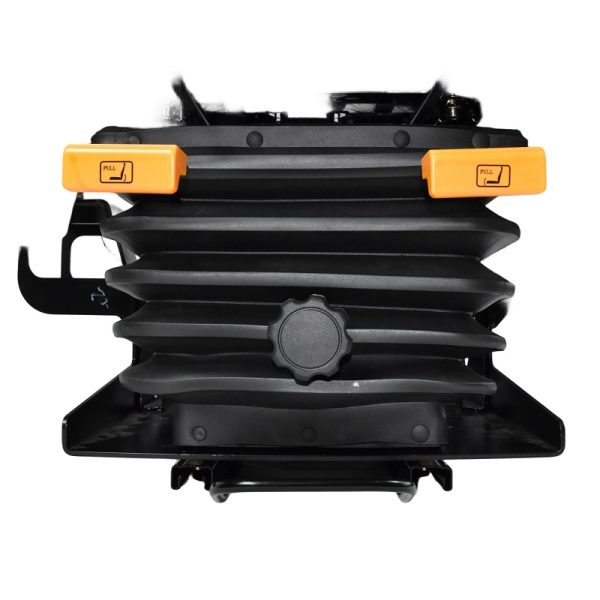
Source One has purpose-built solutions that align with those metrics, making upgrades predictable and durable; Source One. —