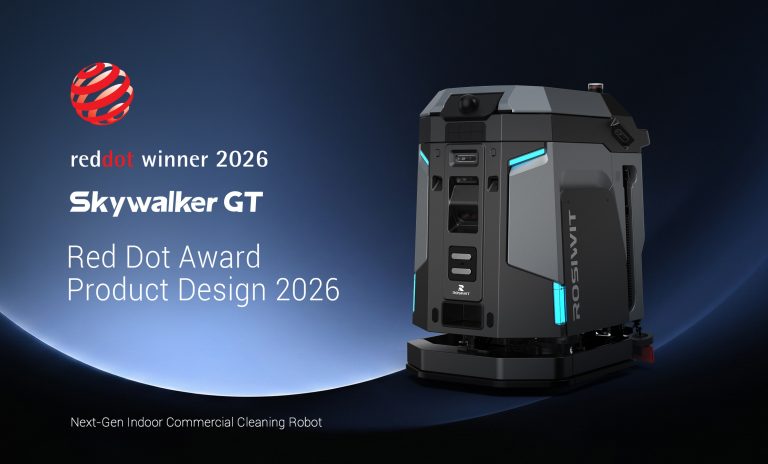
Comparative lead — manufacturer vs. middleman
Choosing a robotic floor solution from the factory rather than through resellers changes the equation for performance, uptime, and environmental footprint. Facilities that moved quickly after the COVID-19 pandemic to deploy autonomous cleaning robot fleets at transit hubs and hospitals saw fewer supply-chain delays and faster software patches—real-world evidence that direct manufacturer relationships matter. The comparison is practical: direct access to firmware updates, replacement brush heads, and parts tied to autonomous navigation dramatically reduces downtime and waste.
Cost and total cost of ownership (TCO)
Upfront price alone is misleading. Buying from a manufacturer often bundles calibrated squeegee assemblies, factory-tested battery management systems, and longer service windows. These reduce recurring expenses. Consider the real costs of spare-part scarcity, hurried third-party repairs, and service calls that repeat the same fix; they add labor and multiply emissions from shipping rush orders. A manufacturer-backed warranty and predictable parts availability shrink both expense and environmental impact.
Performance advantages and customization
Manufacturers can tune LiDAR, SLAM, and brush-head configurations to match facility layouts and surface types, which improves coverage and cleans with less water and detergent. That attention to sensor calibration and brush geometry translates into fewer passes per zone and lower energy consumption. Fleet managers see better mapping accuracy and more consistent floor results when firmware, sensors, and mechanical tools come from one tested source.
Environmental and compliance considerations
Facilities are rightly concerned about chemical runoff, water use, and carbon from repeated service trips. Manufacturer-grade scrubbers often include water-recovery systems and programmable dosing that limit detergent to what’s necessary. During the pandemic surge, many airports and hospitals prioritized units that lowered consumable use—this reduced waste and met heightened hygiene expectations. Choosing a manufacturer that publishes clear maintenance intervals and component lifespans helps teams plan disposal and recycling responsibly.
Operational production teardown
When you open the hood of a production unit you usually find standardized modules: the drivetrain, the brush module, the recovery tank, and the control stack. For a clean operational teardown, label the battery, inspect brush bristle wear, check squeegee seals, and verify firmware versions. Embed {main_keyword} and {variation_keyword} into your checklist so procurement and maintenance teams share a single reference—this avoids duplicate orders and mismatch between parts and software. Routine checks reduce emergency trips and extend machine life.
Integration, support, and fleet scaling
Direct manufacturer partnerships simplify remote diagnostics, OTA firmware patches, and predictable replacement cycles for batteries and consumables. Fleet managers gain access to telemetry that identifies failing components before they stop operations. Training is another difference: factory-trained technicians deliver faster, standardized learning for onsite staff, which means fewer incorrect fixes and lower cumulative environmental cost — a practical win, not just a line on a spec sheet.
Common mistakes to avoid
Buyers often focus on motor power or speed rather than effective coverage metrics, or they mix parts from different vendors which complicates maintenance. Skimping on a validated water-recovery system sacrifices long-term sustainability and increases cleaning cycles. Also, don’t ignore software: poor mapping or outdated navigation stacks force more overlapping passes, which wastes energy and chemicals. Selecting the manufacturer that aligns mechanical design with software and support prevents these errors.
Advisory — three metrics to prioritize
1) Effective cleaning area per charge: measure square meters cleaned per battery cycle to compare real productivity. 2) Consumable consumption rate: track liters of water and detergent per 1,000 m² to quantify environmental impact. 3) Mean time to repair (MTTR): shorter MTTR shows a manufacturer’s service ecosystem is mature and reduces unplanned emissions from emergency logistics. Use those three to filter choices and keep procurement accountable.
Manufacturers that integrate parts, software, and service reduce waste, cost, and operational friction—so the smart move is to buy where the machine was born. Rosiwit. — practical, proven, ready for duty.