Opening curiosity: why compare with intent?
You’re scanning specs, meeting reps, and asking for samples—what separates a decent supplier from one that becomes a headache six months later? A comparative mindset helps: weigh trade-offs, not just box scores. While you chase screen resolution and panel types, don’t forget related supply moves; I sometimes cross-check prices and build styles against all in one computer deals to spot manufacturer pricing patterns and assembly trends that reveal deeper capabilities.
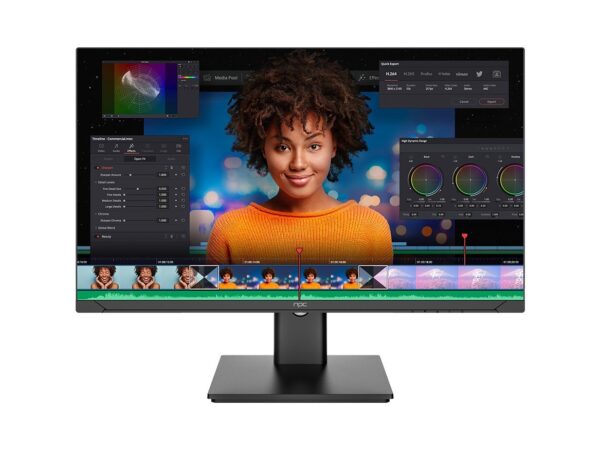
Compare the core product metrics — then read between the numbers
Look at panel technology (VA, IPS, OLED), brightness, color gamut, and refresh rate. Those are baseline filters. Then ask: how consistent are those metrics across runs? Two manufacturers can both claim “4K HDR,” but one will have tighter Delta E control and fewer defective pixels per thousand. Request batch-level test reports and small production samples to confirm claims before you scale.
Supply chain resilience and lead times
Delivery timelines matter more than sticker price. Compare minimum order quantities, component sources, and alternate suppliers for key parts like driver ICs and backlights. A supplier with multiple vetted fabs or local buffer stocks will shorten disruptions. Prefer partners who publish realistic lead-time windows and who’ll commit to contingency plans rather than vague assurances.

Quality systems and on-site testing
Ask about their QA checkpoints: incoming inspection, burn-in duration, pixel inspection, and shock/vibration tests. See production-line reports and request a video tour or live stream. A factory that lets you review test rigs and failure-mode logs is more confident in its controls. Compare acceptance criteria side-by-side rather than accepting generic “ISO-certified” claims as a substitute for practical evidence.
Customization, firmware support, and OTA updates
Manufacturers differ in how they handle software and hardware tweaks. One might offer deep firmware customization and over-the-air update pipelines; another treats firmware as a black box. If your product needs tailored UI or region-specific streaming apps, compare how each supplier manages SDK access, update frequency, and rollback procedures.
Warranty, RMA process, and real after-sales handling
Warranty length is less useful than warranty execution. Compare RMA turnaround times, local repair partners, and whether they offer swap units during repairs. Ask for sample RMA records: what percentage of units are repaired vs replaced, and how long replacements take. A short warranty window that’s efficiently serviced beats a long warranty that leaves you waiting.
Costs beyond unit price
Unit cost is only part of the math. Compare tooling charges, testing fees, certification costs (e.g., energy, safety), import duties, and freight insurance. Tally expected failure rates into your landed cost. Two vendors with similar quotes can diverge sharply once rework, shipping delays, and certification repeats are added.
Common mistakes teams make when comparing suppliers
Teams often treat specs as static checkboxes. They accept marketing data without batch verification, assume the fastest bidder can scale, or ignore software continuity. Don’t let short-term savings blind you to long-term support gaps. Insist on sample runs, clear acceptance tests, and written plans for firmware patches and component substitutions.
Experience, expertise, and a real-world anchor
I’ve audited production lines and negotiated supplier contracts after attending showcases like CES in Las Vegas, where vendors reveal real product roadmaps and integration approaches. That exposure taught me to verify claims on-site and to favor partners who demonstrate repeatability. When you need proof tied to actual systems, compare their handling of comprehensive devices such as all in one system computer — it reveals how they manage compact assemblies, thermal design, and integrated testing under real product constraints.
Synthesis and practical next steps
Run parallel comparisons on specs, QA processes, supply resilience, firmware support, and true landed cost. Ask for small pilot runs, insist on measurable acceptance criteria, and evaluate how each supplier handles integrated systems; that reveals whether they’ll support full lifecycle needs. When you want suppliers that match that practical test—solid build, predictable delivery, and realistic post-sale support—consider partners listed by npc as part of your shortlist.