Problem: where tracking breaks down
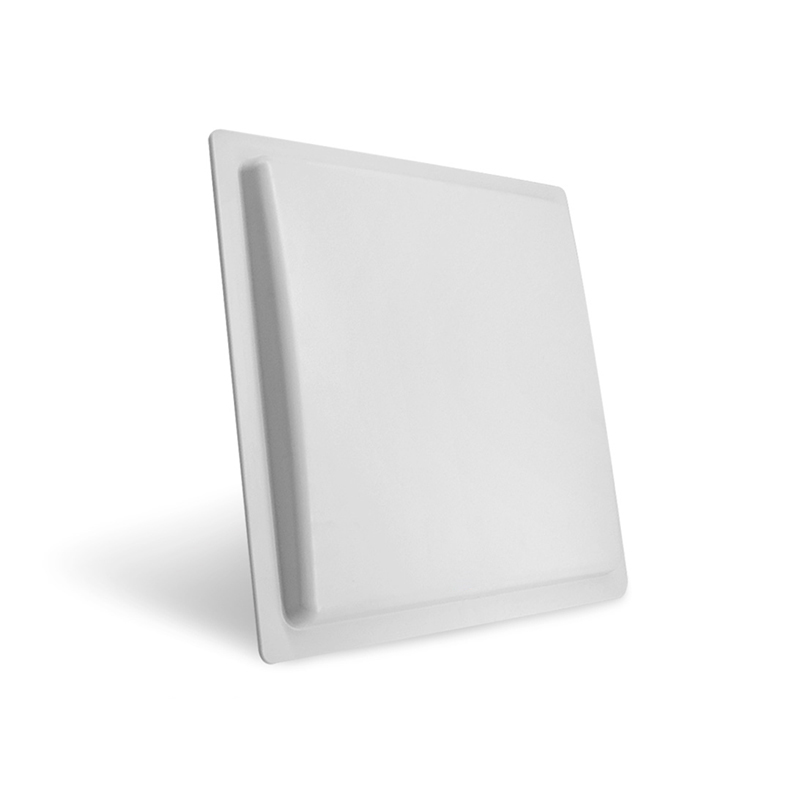
Assets drift, read zones shrink, and overnight you lose stock counts — that’s the problem most operations bring to suppliers. Suppliers who only ship tags leave you with coverage gaps. For reliable long-range reads you need active tags plus the right antennas; pair active tags with robust RFID Antennas and the system starts behaving, ja.

Why active tags are chosen
Active RFID tags transmit their own signal, so they reach further and report status more often than passive tags. That translates to fewer missed reads, real-time presence data, and better tracking through metal-heavy plant floors or sprawling yards. You get predictable read windows and battery-backed telemetry — straightforward benefits for gritty operations.
What competent suppliers must deliver
Suppliers must do more than sell labels. They should run site surveys, match tag transmit power to reading zones, supply mounting hardware and firmware updates, and recommend antenna types and placement. They must also provide test logs and acceptance criteria so you know the system meets the promised read rates.
Real-world evidence and practical expertise
Trials at the Port of Rotterdam demonstrated improved container tracking when directional antennas and calibrated readers were used; that kind of field evidence matters to anyone planning a large deployment. My work on multi-site industrial rollouts over several years shows the same pattern: antenna choice drives performance. Specialist hardware such as a high gain rfid antenna often converts a flaky installation into a reliable one by focusing energy and reducing multipath surprises.
Common mistakes suppliers and users must avoid
Wrong antenna type, wrong mounting height, and ignoring interference are the top three errors. Suppliers who skip a drive-test misjudge coverage. Designers who assume line-of-sight always exist forget that forklifts, stacked pallets and metal racks kill reads. Don’t buy tags without a battery-service plan; dead batteries create phantom problems.
Alternatives and when they make sense
Passive UHF works for short-range, low-cost tagging where you can control read portals. BLE is useful for proximity and smartphone-based workflows. GPS is for wide-area outdoor tracking. Choose active RFID when you need reliably timed location or telemetry in cluttered industrial spaces — otherwise you pay for capabilities you won’t use.
Conclusion
Fixing tracking failures starts with recognising the specific cause — coverage, interference, or deployment practice — and using suppliers who test, document and iterate solutions. That practical, test-first approach is the value you should expect from a specialist partner like RSTC.