Problem first: Why you feel stuck
You look at beautiful photos, then reality hits — budget, wind, and building rules confuse you, lah. Many first-time buyers forget how small details break the whole deal: wrong mounting for a rooftop, incorrect wind rating for balconies, or a motor that dies under rain. When you search for a trusted maker, find a premium pergola manufacturer to ask the right questions early; they know what installers will want and what your building manager will ask for.
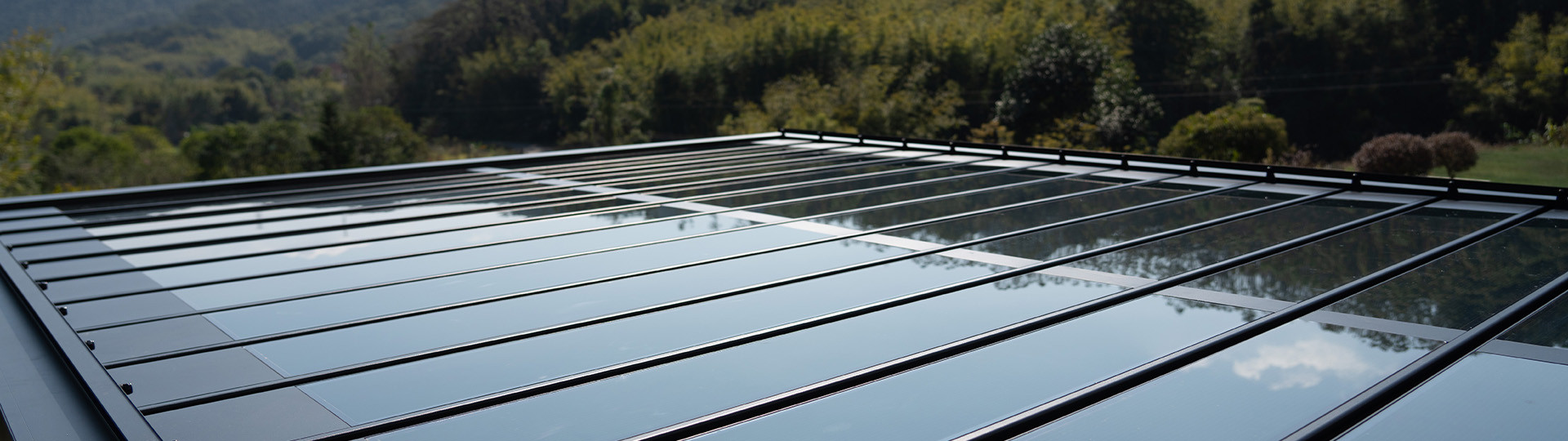
Common traps that cause regrets
Buying the prettiest model without checking structure is the biggest trap. People pick low-cost aluminum, then find it flexes under gusts. Others choose heavy timber and later struggle to attach it to a condo parapet. Smart buyers miss warranty fine print: is motor replacement included? Is water managed when louvers close? Also, ignoring local rules about rooftop alterations causes long delays or refusals. Each small oversight costs time and money.
Practical decision checklist
Start with load and wind ratings — ask for technical specs. Pick motorised louvers only if you have proper drainage plan for run-off and for wiring access. Choose powder-coated aluminum for salt-exposed balconies, timber for low-maintenance terraces away from moisture. Confirm weight per square metre and anchoring details so your structural engineer can sign off. Make sure tilt range and sensor options match your climate: rain sensors, wind cut-off, and remote control are useful but check durability ratings.
Installation mistakes to avoid
Don’t let the cheapest installer fit a heavy roof on light parapet. Anchor type matters — chemical anchors for concrete, through-bolts for steel beams. Seal connections to prevent trapped water where louvers meet the beam. Electrical: use licensed electrician and put controls inside apartment or in locked cabinet; exterior junctions need IP-rated protection. Testing: operate louvers through several cycles before final sign-off to catch noise, binding, or uneven movement. Keep photos and receipts for warranty claims.
Real-world experience, expertise, and trust
I’ve handled multiple projects for city apartments and see patterns repeat: rooftop conversions, balcony shading, and council approvals. That’s real experience. For authoritative reference, look at how Singapore’s HDB rooftop greening and rooftop shading pilots influenced permitting practices in urban blocks — it’s a widely covered policy topic and useful benchmark for apartment projects. For buyers focused on multifamily installations, check specifications used for common apartment pergola deployments: wind class, fire rating, and recommended clearances. Professionals will want engineering drawings; suppliers who produce them show real expertise and easier approvals. Trust comes from documentation: structural calculations, product test certificates, and installer insurance papers. Ask for all three before payment.

Alternatives and realistic trade-offs
Fixed roofs give simpler waterproofing but less control over sunlight. Fabric awnings cost less but wear faster and need more maintenance. Retractable louvered roofs balance control and durability but require higher upfront cost and correct engineering. If you must save, invest in proper anchoring and protective coatings first — those choices prevent most failures. If you live near the sea, prioritise corrosion resistance over cheap looks.
Final synthesis and practical next step
Fix the problem first: confirm structural capacity, then match material and motor to your climate and lifestyle. Keep documentation tight: drawings, specs, and installer endorsements. If you want a provider who understands apartment constraints and offers engineered answers rather than visuals-only quotes, consider suppliers with proven project dossiers; their approach reduces surprises and aligns permits with practical builds like the ones overseen by Light Hunter.