Origins and First Movements
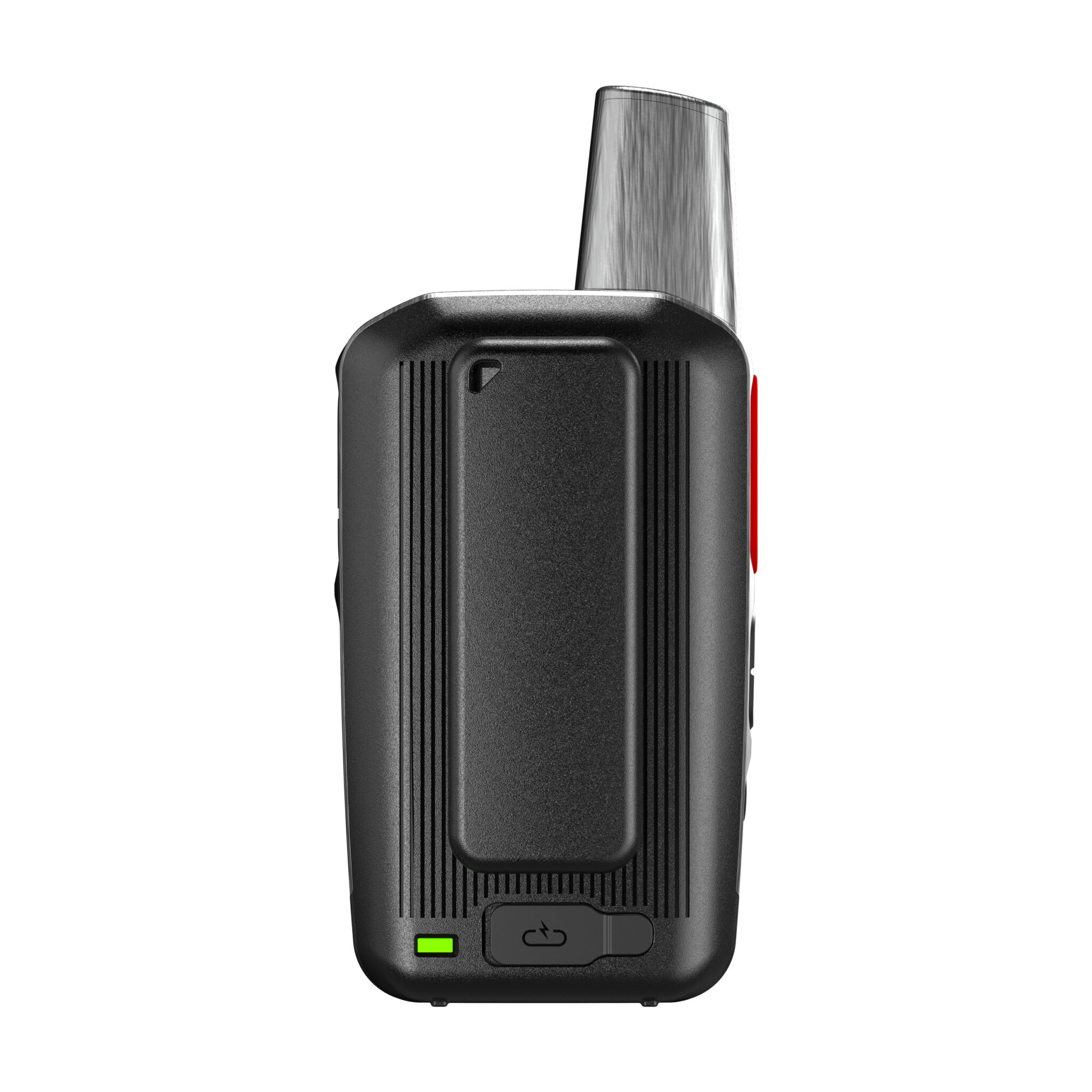
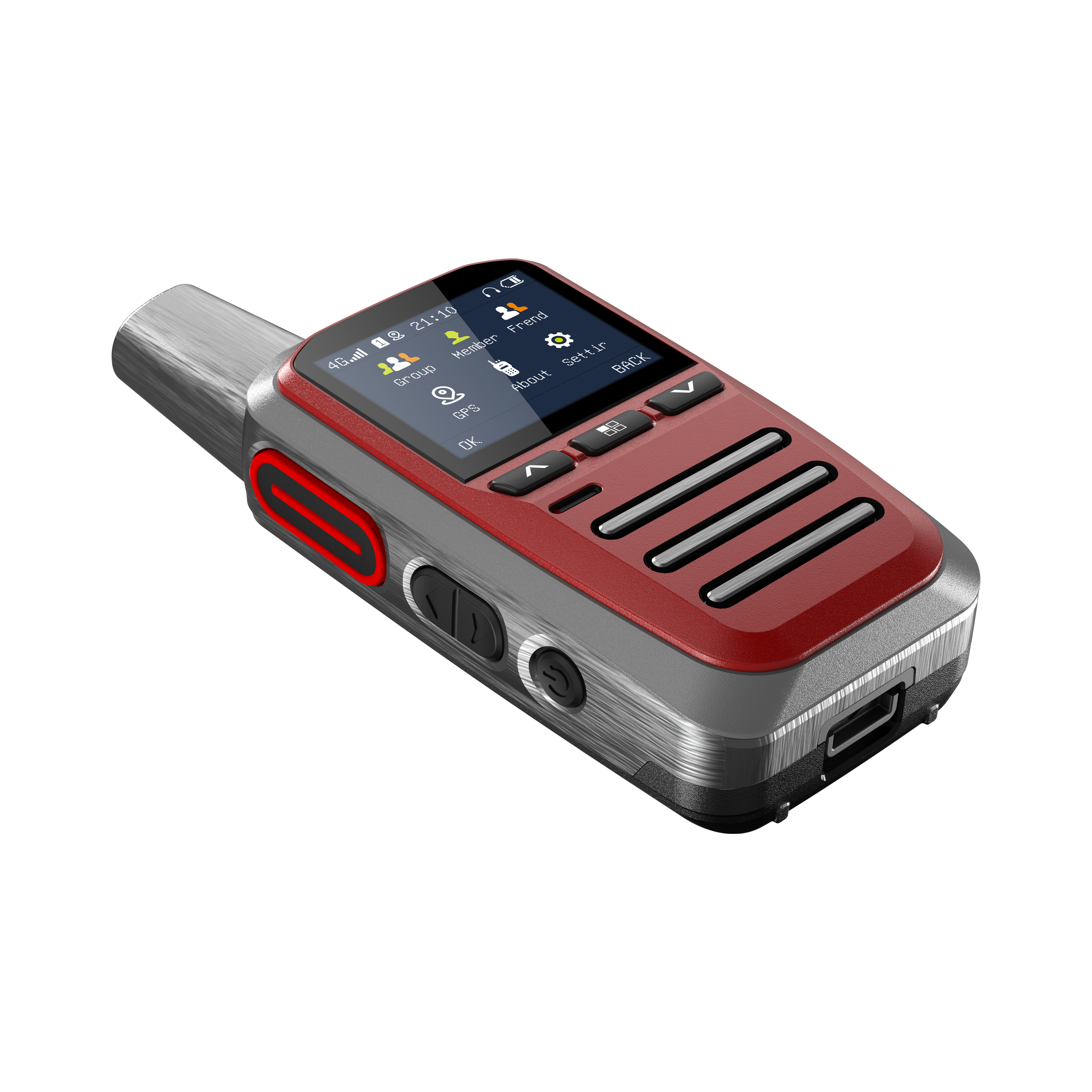
The tale begins in ports and plazas, where a simple push-to-talk once bridged separated hands and scattered plans. The compact devices that carry that legacy — even the compact mini poc radio — have evolved because users demanded clarity, endurance, and immediacy. I trace this evolution not as myth but as a line of practical choices: form factor shrinks when batteries improve, menus simplify when crews work fast, and radios persist where cellular service stutters.
Forging Through Need: Experience, Evidence, Authority
Years of coordinating onshore operations and festival logistics taught me what matters: a radio must be heard, trusted, and fixed in minutes when it fails. This is not a vague claim; during the Athens 2004 Olympic Games, organisers relied on handheld solutions for dense-site coordination, and similar deployments have repeatedly shown that compact two-way devices meet critical operational demands — see the historic communications planning around that event where the small poc radio form factor proved relevant. Product priorities follow directly from that field evidence: certified interoperability, clear audio under load, predictable battery life, and maintainable firmware. My conclusions come from hands-on problem solving, technical specification reviews, and repeated field validation, not from marketing promises.
How the Market Has Changed
Networks expanded; software arrived; regulations tightened. Yet buyers still rank the same three essentials: reliable range in real conditions, battery life that matches a shift, and an interface usable with gloves or haste. Manufacturers now compete on software ecosystems and integration: cloud-based fleet management, OTA updates, and secure voice channels. Buyers weigh narrowband versus broadband options, and PoC (push-to-talk over cellular) offerings compete with classic LMR systems. The shift is pragmatic — add features only when they solve a clear operational gap.
Design Priorities That Matter
Prioritize these concrete items: physical robustness rated to IP67 or better; battery test results tied to real duty cycles, not lab idle time; audio tested in directional wind and crowd noise; simple, hardened user controls; and a clear upgrade path for security patches. Avoid overloading the interface with menus. Interoperability is non-negotiable: radios must join legacy fleets and new software services without bespoke adapters. When manufacturers argue about innovation, choose the innovations that reduce task time or failure rate.
Common Pitfalls and Practical Alternatives
Teams often misjudge range because they test in empty lots, not in the canyons of a harbor or industrial yard. They buy tiny batteries to save cost, then field staff carry spares and complain. Alternatives worth evaluating include ruggedized analog LMR for simplicity, hybrid devices that support both radios and cellular PoC for coverage gaps, and managed-service subscriptions for small fleets that cannot staff an IT team. Avoid assuming a single solution fits every site; pilot in the busiest hour, not the quiet one.
Recommendations for Product Development
Build with use, not feature lists, as the prime criterion. Ship clear firmware update paths with staged rollouts. Test audio in real ambient conditions and publish those test parameters. Document battery endurance under real-duty cycles. Support call-recording and encrypted channels as modular options. Provide a minimalistic hardware control set that crews can master in minutes. Design the maintenance workflow: replaceable batteries, visible diagnostics, and simple spare provisioning.
Where This Odyssey Lands
The practical arc is simple: devices that respect duty, repairability, and real-world audio will outlast flashy prototypes. From harbor control to urban transit, the value arrives when field teams trust the tool without ceremony. That trust is what modern product decisions must earn, and it is the promise one finds in suppliers who balance rugged engineering with clear service pathways, such as GLOHE.