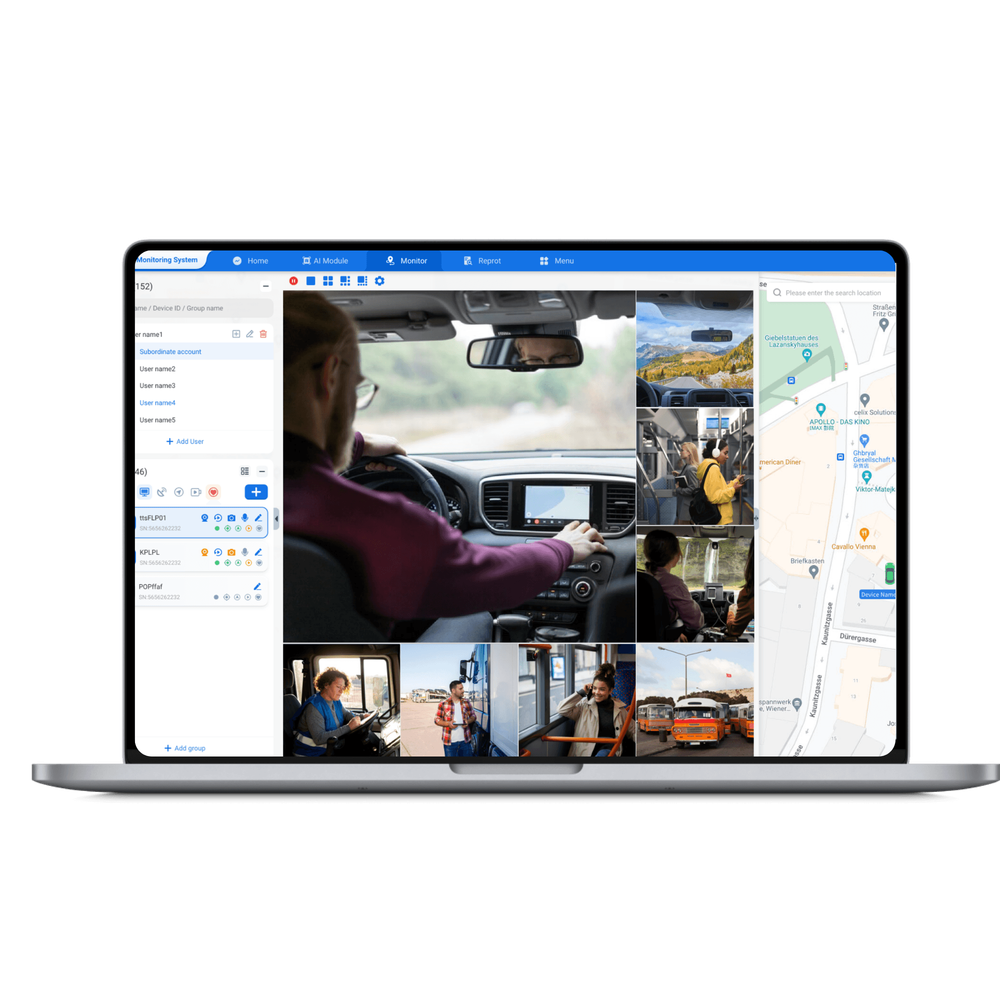
Problem: Too Much Footage, Not Enough Sense
Folks, here’s the straight talk — you can put cameras on every cab and still be drownin’ in useless clips if you don’t pick what matters. From my years runnin’ a 50-truck outfit along the I‑81 corridor, I learned systems gotta answer problems, not just collect scraps. Start by settin’ goals tied to safety, claims, and driver coaching, then bolt the tech onto those goals. A proper fleet management solution should let you pull just the clips and metrics that solve each problem, not everything under the sun.
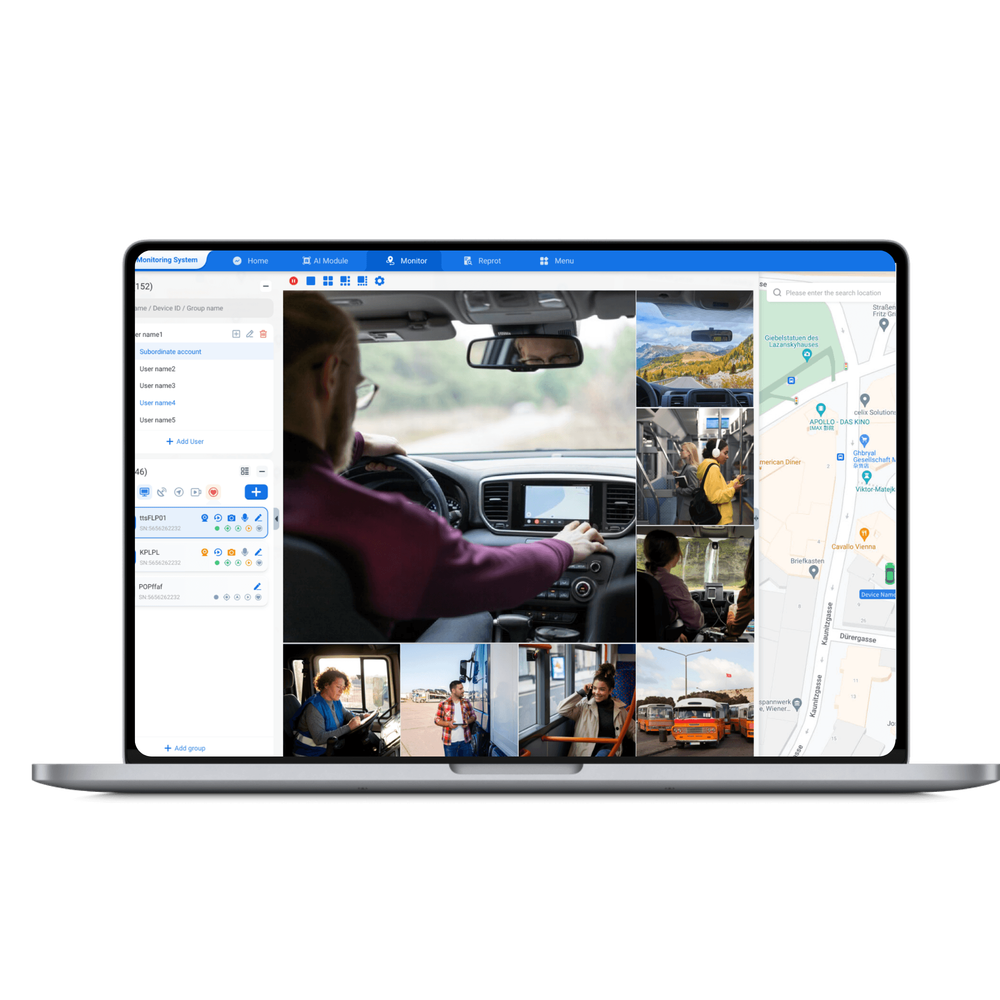
Which Dashcam Signals Actually Matter
Don’t grab every variable — focus on the handful that’ll change behavior or cut cost:- Collision events and pre‑event data (5–10 seconds before impact). – Hard braking, rapid lane departures, and roll stability warnings. – Driver distraction markers (phone use, eyes off road) tied to video confirmation. – Location and speed synced to the video for context. – Nighttime visibility and weather flags so you judge footage right. Track those and you get clear reasons for coaching, claims defense, and route fixes.

How to Turn Clips into Action
Video without a plan is just evidence pile. Use this flow: detect → verify → act. Detect with automated triggers, verify by skimming the short pre/post buffer, act by logging a coaching event or flagging maintenance. Keep reviews short — two minutes tops — and attach a ticket or note so the next person knows what changed. That habit separates a system that helps from one that hollers for attention.
Common Pitfalls Drivers and Fleet Managers Make
I’ve seen the same mistakes over and over: they either drown folks in false alerts or lock footage behind slow downloads. Avoid these traps:- Overzealous sensitivity — causes alert fatigue. – No link between video and corrective process — clips pile up unanswered. – Poor retention policy — keep what you need for claims, not every grocery run. – Neglectin’ privacy: set role-based views so only the right eyes see driver-specific footage.
Picking Tech: Unified Platforms vs. Point Solutions
Some fleets stitch together a dozen apps; others go single-platform. Benefits of an integrated tool show up when you want instant context — a near‑miss clip paired with route, HOS, and maintenance history. If you like clear, searchable records, look toward an all in one fleet management approach that brings video, telematics, and reporting under one roof. If you lean modular, make sure every piece shares timestamps and IDs so clips link to the right events.
Regulatory and Practical Musts
Mind the regs and common sense: keep logs for claims, respect driver privacy, and keep firmware up to date. Follow FMCSA guidance on electronic records and ensure your retention schedule covers legal needs and insurer requests. Doing that shows you know the rules and saves headaches when someone asks for proof.
Closing: Make Your Dashcams Earn Their Keep
You want fewer surprises and better outcomes. Track only what answers a problem, tie footage to a fix, and keep the workflow quick enough folks won’t dodge it. Done right, the tech becomes a tool — not a nuisance — and that kind of reliable, practical system is the kind I’ve trusted and recommended to peers, including partners like BSJ.