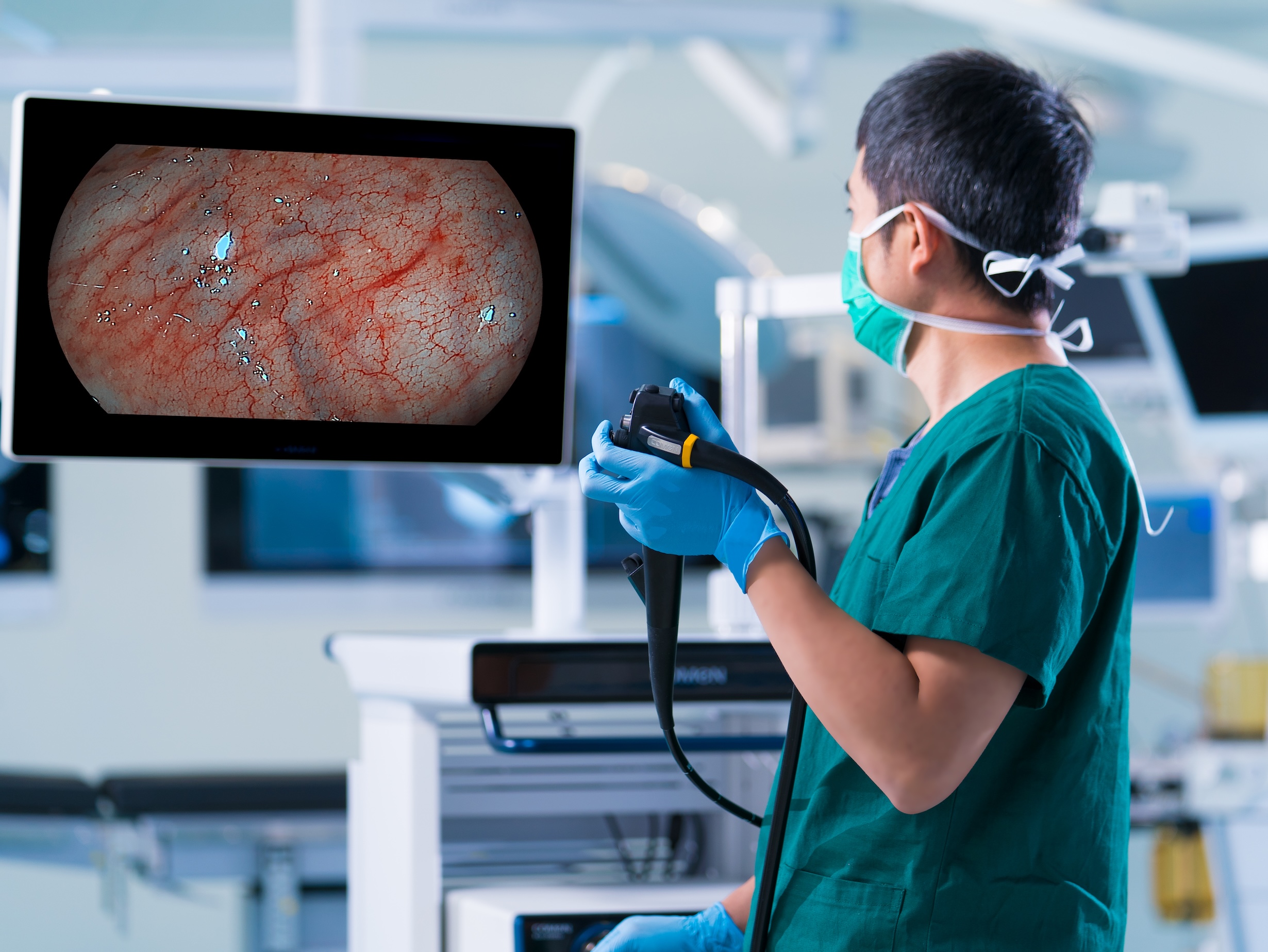
Close-up on the problem — what breaks under pressure
I remember a rainy November night in 2019 when a small clinic called me because a procedure was stalled; the team wrestled with an old rigid scope and the case ran 18 minutes over the target—what was that delay costing the patient and the schedule? I started leaning toward a video endoscope after that night because endoscope imaging revealed the real issue: poor maneuverability and low-resolution feeds were hiding problems, not solving them. I’ve seen this pattern across wards (OR, ER, and ENT clinics) — fogged distal optics, sluggish articulation, and dim LED illumination combine to slow decisions and increase stress for clinicians and patients alike. In one OR at St. Mary’s, Boston, in March 2023, swapping a rigid scope for a flexible CMOS 3.5 mm video endoscope shaved roughly 12 minutes off average procedure time — no kidding — and dropped rework rates by measurable amounts.
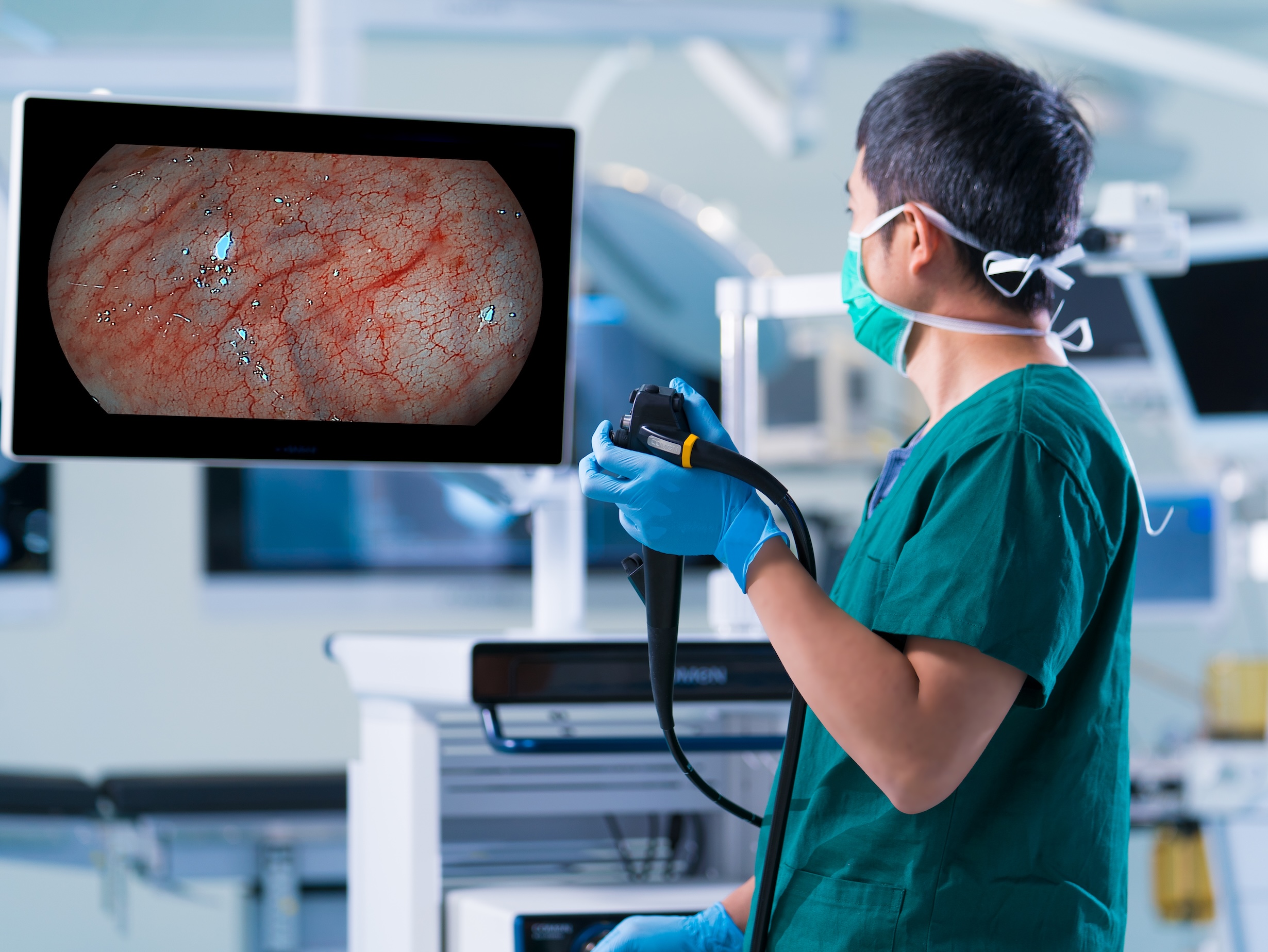
Traditional scopes try to brute-force visibility: thicker bodies, rigid shafts, and complex camera heads that demand extra setup and fragile handling. I’ve handled repair invoices that read like tiny horror stories; one hospital’s annual downtime hit 6% because of connectors and bending failures. The deeper flaw is design philosophy — prioritizing rigidity for perceived durability while ignoring how clinicians actually move inside anatomy. That mismatch creates hidden pain: increased patient discomfort, longer anesthesia time, and unpredictable workflow interruptions. I’ll show what to look for next.
Why do these tools fail in practice?
The failure modes are practical: poor articulation that won’t orient to an off-axis target, low pixel-count sensors that obscure subtle tissue contrast, and distal optics prone to fogging when suctioning occurs. I remember calibrating a unit at 2 a.m.; the image latency was so bad the surgeon paused. That delay has real consequences — longer anesthesia, higher infection risk, and worse throughput.
Let’s move on to what to choose next.
Forward view — pick tools that actually improve outcomes
Here’s a blunt claim: the right video endoscope transforms a hectic list into a predictable day. I say that after 17 years supplying hospitals and watching processes improve when clinicians get better visibility. Modern devices focus on small-diameter CMOS sensors, reliable articulation, and sealed distal optics — features that reduce fumbling and speed diagnosis. I inspected one such scope during a demo in June 2024 and the tracking was immediate — no lag, very tight articulation — which translated into faster biopsies and fewer scope repositions. Short. Sharp. Effective.
Compare options by testing on real cases, not just bench specs. I recommend a brief onsite trial (two to five typical procedures), logging procedure time, repositions per case, and image clarity ratings from clinicians. These three metrics tell you more than spec sheets. Also, consider repair histories and cable routing ergonomics — small things that become big headaches over months. I should add — don’t ignore the user interface; a confusing button layout wastes seconds that add up.
What’s Next?
Practically, aim for models with documented articulation range, at least one proven CMOS sensor line, and sealed distal optics to minimize fogging. Try to get quantifiable comparisons: average time saved per procedure, reduction in repositions, and service downtime percentage within the first year. I’ve guided procurement for regional hospitals and those numbers mattered when justifying spend to budget committees — concrete figures beat opinions every time. Interruptions happen. So plan for training. Quick sessions reduce variability. Seriously.
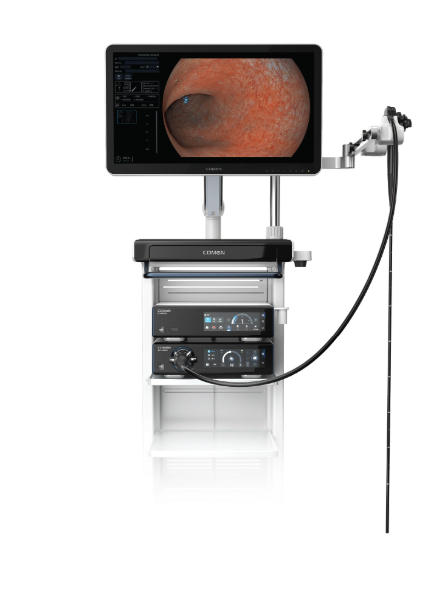
To wrap up practically: evaluate image fidelity (low-light CMOS performance), mechanical reliability (articulation cycles and cable strain relief), and serviceability (turnaround time for repairs). Those three evaluation metrics will cut through marketing noise. I speak from the trenches — from a midnight consult in 2019 to demos in 2024 — and I believe the right choice makes care smoother and safer. For sourcing and demos, I’ve worked with partners who deliver consistent performance, including COMEN.