
Why users care about modern car access
Many drivers in Metro Manila and beyond want two things: fast access and fewer headaches during commute. The shift from metal keys to digital credentials has real benefits, and devices like an nfc car key address both convenience and security without asking you to be a tech expert. Trusted demonstrations at events such as CES 2024 helped normalize NFC-based access across automakers, and that momentum matters when you decide which system to trust.

How the BHDC car card key answers everyday needs
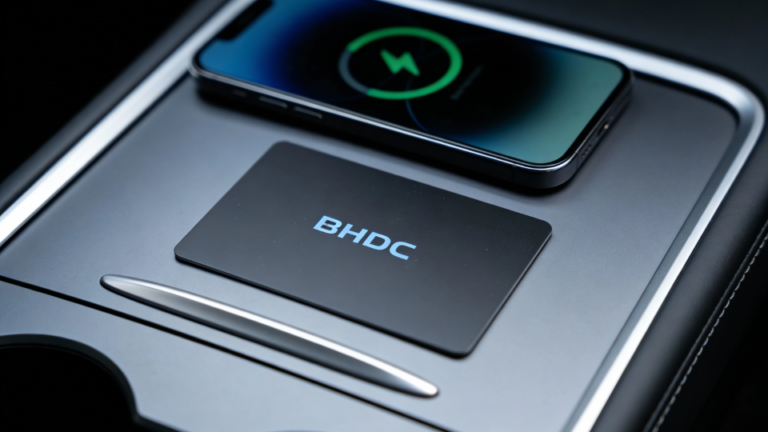
Users expect simple walk-up unlock and reliable locking when they walk away. BHDC’s car card key focuses on those outcomes by combining NFC tap-to-unlock, short-range RFID for passive detection, and on-device encryption for stored credentials. The result: faster entry times, fewer battery hassles, and lower risk of cloning compared with purely radio-based fobs. For commuters who juggle multiple devices, a compact card format reduces pocket bulk while still pairing with your car’s immobiliser and access control systems.
What to watch for in real-world use
Practical matters make the difference. Look for robust encryption, a clear pairing flow, and firmware update support. Avoid cards that expose plain identifiers over the air or force frequent manual re-pairing. Also consider how the card behaves in dense urban environments—interference near transit hubs or office lobbies can matter. If you plan to use mobile phone backups, check that the system supports both NFC and BLE for fallback access—this dual-mode design reduces single-point failures. —many users forget that physical durability matters as much as digital security.
Alternatives and common mistakes
Not every user needs a card. Alternatives include smartphone-based digital keys, traditional key fobs, and integrated vehicle apps. Smartphone solutions can be convenient but depend on battery life and OS compatibility. Traditional fobs are familiar but bulkier and easier to misplace. When people switch, the common mistakes are poor compatibility checks, skipping firmware updates, or assuming all cards share the same security model. If you’re comparing options, test the pairing process in your driveway and in a crowded parking lot to spot edge-case failures.
Quick operational checklist before buying
Follow this compact checklist to make a sound choice:
– Confirm vehicle compatibility and supported protocols (NFC, RFID, BLE).
– Verify that the vendor offers signed firmware updates and a visible security policy.
– Inspect physical build quality—water resistance and card-bend tolerance matter for daily carry.
– Ask about provisioning: can the card be issued, revoked, and reissued without dealer trips?
When you test a sample, try pairing, locking, and emergency override. Include both the car key card and any mobile fallback in your routine checks so you know what to expect on a rainy day.
Advisory: three golden rules when evaluating car access tech
Score systems using these evaluation metrics—security posture, user friction, and lifecycle support:
1) Security posture: Ensure on-card encryption, protected provisioning channels, and rolling-code or challenge-response authentication to prevent replay attacks.
2) User friction: Measure time-to-unlock and the number of steps to re-pair after a battery loss or replacement; aim for under 30 seconds in real conditions.
3) Lifecycle support: Prefer vendors that publish firmware-roadmaps, offer remote revocation, and maintain compatibility across product generations.
These rules point you to solutions that actually work day-to-day. For many drivers, that practical reliability is exactly what BHDC delivers—smooth entry, clear update paths, and sensible security. See how those strengths translate into value with BHDC. –