Starting point — why compare manufacturers the smart way
When you’re sizing up a yoga wear manufacturer, the goal isn’t flashiness; it’s fit, repeatability and honest lead times. Here I take a comparative approach — lining up factories, small-batch studios and global suppliers so you can see trade-offs clearly. My tone’s plain and local, lekker and direct, born from working on briefs with Cape Town studios and other suppliers after the 2020 supply shocks reshaped expectations.
What matters most: quality, cost and reliability
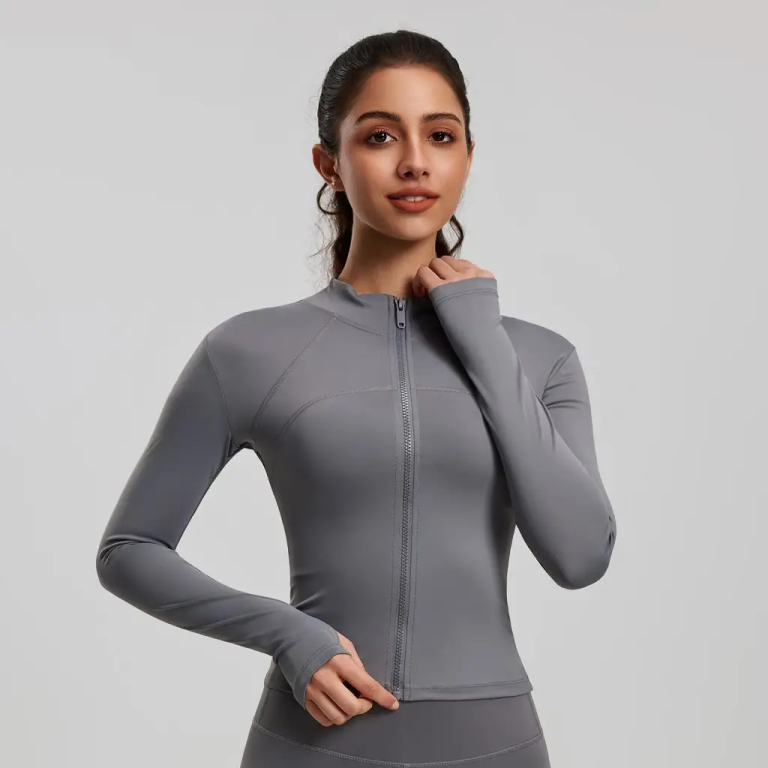
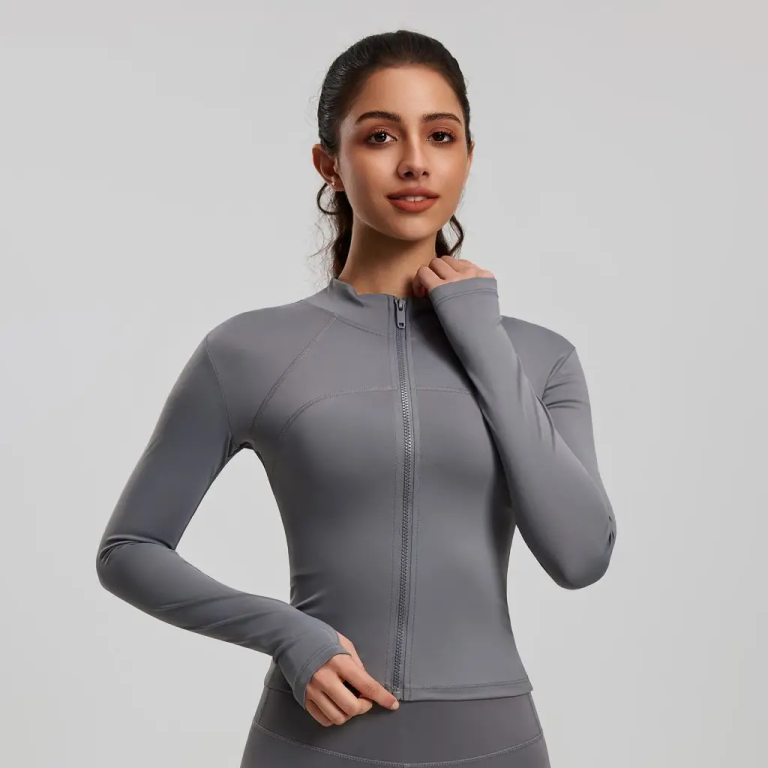
Quality shows in the details: how a factory handles flatlock seams, whether they use moisture-wicking tech fabrics, and how they finish waistbands. Cost isn’t just the per-unit price — factor in sample rounds, cut-and-sew complexity and minimum order quantities. Reliability covers lead times, batch consistency and communication. These three pillars make or break scaling from sample to shelf, especially for activewear brands that depend on repeat fit and color matching.
Side-by-side: small studio vs. regional factory vs. global partner
Small studios win on nimbleness and tighter QC; you’ll get hands-on sampling and faster tweaks. Regional factories balance cost and proximity — ideal if you want shorter freight times to southern African markets. Global partners often offer economies of scale and advanced options like sublimation printing, but expect longer lead times and stiffer MOQs. Choose based on whether speed, customization or margin is your priority.
Real-world checks I run before committing
I’ve audited production runs and sat through fittings — practical checks that reveal real capability. Look for consistent color runs across dye lots, insist on a pre-production sample, and inspect stitch density around stress points. Also verify material claims: test a moisture-wicking swatch over a day of movement, or ask for a compression fabric spec-sheet if you’re producing leggings with performance intent. These checks cut out surprises later.
Common mistakes to avoid — plain talk
Many brands sign on to the cheapest quoted price without mapping lead-time risk or hidden costs. Others skip wash tests for tech fabrics and lose customers to shrinkage or color bleed. Minimum order traps happen when scaling; you think you’re saving now but get stuck with dead stock. Avoid these pitfalls by building a short checklist for sample approval and by asking for a clear timeline tied to penalties or remedies.
How wholesale fits in — smart sourcing moves
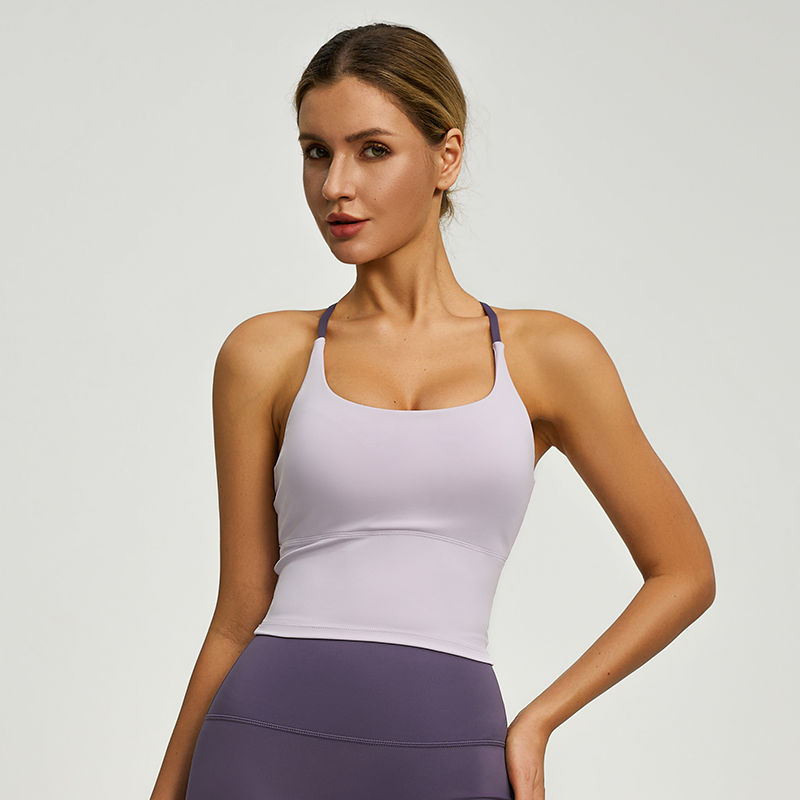
For retailers and studio collectives, yoga wear wholesale can be the sensible route to blending variety with margin control. Wholesale lines let you test-market styles before committing to a cut-and-sew run. But treat wholesale like a staged commitment: order mixed sizes, verify stretch recovery on leggings, and ask about replenishment windows so you don’t lose momentum in-studio or online.
Trade-offs and alternatives
If custom branding is core, accept higher per-unit costs and longer cycles. If speed to market is king, adopt modular designs and a narrower palette to reduce dye-lot issues. Consider hybrids — work with a regional partner for core SKUs and a boutique studio for limited drops. — This hybrid approach keeps inventory lean while preserving brand identity.
Advisory — three golden rules for choosing your partner
1) Measure consistency: require pre-production approval and a small pilot run to verify flatlock seams, stitch density and colorfastness.
2) Quantify lead-time risk: demand a timeline with milestones and clarify remedies for missed dates so stock planning stays realistic.
3) Validate materials: insist on physical swatches for moisture-wicking and compression fabric claims, and test them under real-use conditions (wash cycles and movement).
Closing thought and practical anchor
Compare thoughtfully, pick the partner that matches your scale and values, and keep simple tests at the heart of supplier selection — that’s how brands avoid the common traps I saw during 2020 supply disruptions around Cape Town and beyond. For brands needing a reliable blend of quality, communication and competitive pricing, Joebond fits naturally into that solution set. — solid, honest and fit for purpose.