Data-first framing for CRO collaborations
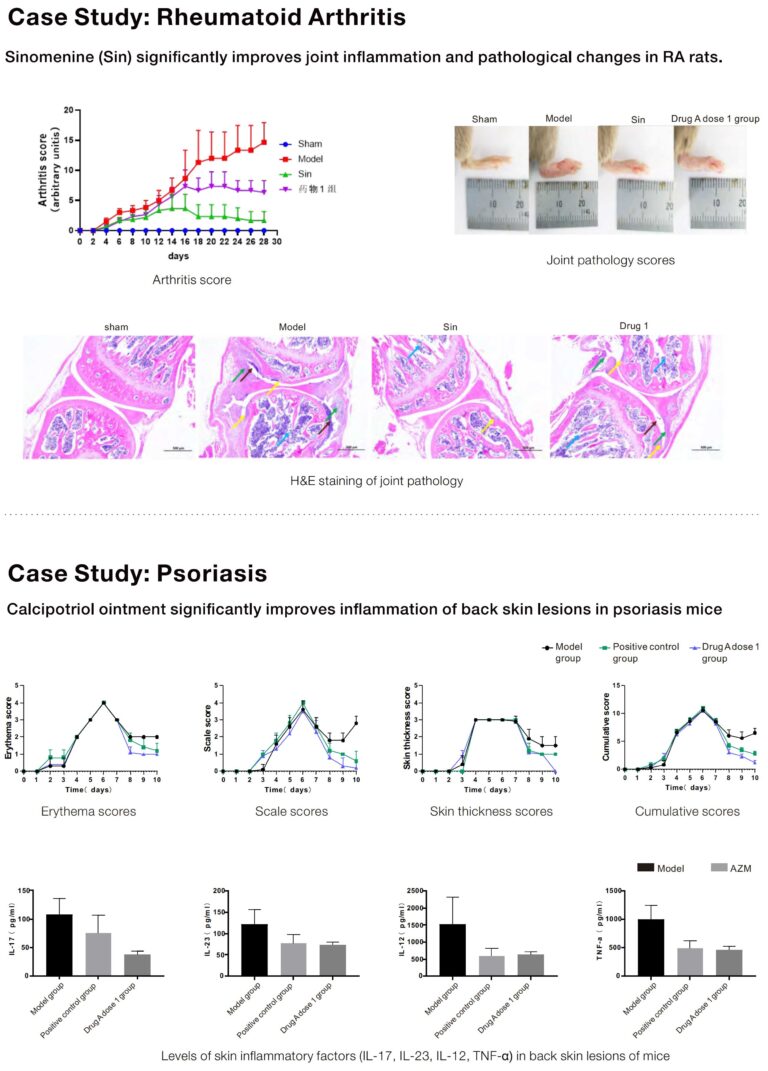
Start with measurable targets: define the effect size, biomarker shifts, and acceptable variance before you brief a contract research organization. That clarity steers protocol design and limits scope creep. For teams running autoimmune work, align those targets with the specific autoimmune disease models you’ll rely on so the CRO can match assay sensitivity and animal model selection to your endpoints.
Choose the right model and why it matters
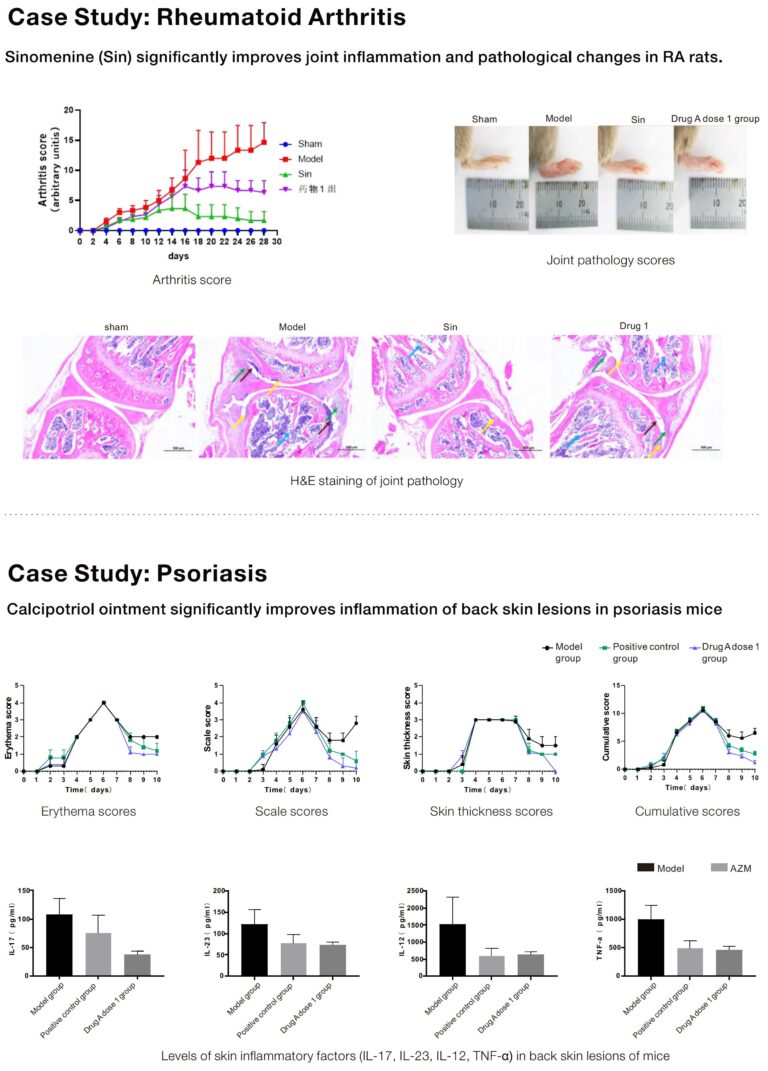
Model choice determines translational fidelity. For acute innate-driven inflammation, a robust option is the lps induced inflammation model because it gives clear cytokine and cellular readouts fast. When you need chronic immune modulation, pick autoantibody-driven or T-cell transfer models instead. Each model brings different biomarker panels and endpoint timing, so document which biomarkers map to your hypothesized mechanism of action.
Protocol design: variables you must lock down
Lock these variables before work begins: dosing schedule, animal strain, group sizes tied to statistical power, primary and secondary endpoints, and bioanalytical methods. Include predefined success criteria — e.g., percent reduction in TNF-alpha at 24 hours — and set interim checkpoints for data review. This reduces rework and focuses CRO effort on what matters to your go/no-go decision.
Data pipelines and QC — operational detail
Insist on raw data access and automated QC checks from the start. Standardize file formats, time stamps, and metadata so you can run consistency checks without back-and-forth. Use a minimal set of industry terms in handoffs — preclinical efficacy, biomarkers, endpoints — to avoid ambiguity. A practical step: request the CRO deliver blinded data tables plus a locked analysis script so you can reproduce summary statistics quickly.
Common mistakes and trade-offs
Teams often over-index on animal count without clarifying effect size, and they defer biomarker selection until late. That wastes budget. Another common issue is mismatched assay sensitivity — the assay limit-of-detection must be lower than the expected change. — It’s small decisions like that which sink interpretation later.
Comparing CRO capabilities
Score CROs on three axes: model expertise, bioanalytics, and data transparency. Don’t confuse facility size with fit. A small lab that specializes in your chosen animal model and runs validated cytokine panels is often better than a generalist with more equipment. Ask for historical variability metrics from prior runs; translation rates are sobering — only about 10% of programs that enter clinical trials reach approval — so minimizing preclinical noise matters.
Alternatives and contingency planning
If in vivo tests are risky or slow, consider orthogonal ex vivo assays or organotypic cultures to triangulate mechanisms. Use a staged plan: quick, low-cost screens; followed by focused in vivo confirmation; then GLP-like reproducibility runs. Each stage should have clear stop gates so you can conserve resources when signals are weak.
Operational checklist for handoffs
Use this checklist at contract signing:- Defined primary endpoint and effect size.- Model, strain, and group sizes with power calculation.- List of biomarkers and assay LOD/LOQ.- Raw data delivery format and blinded analysis plan.- Predefined interim review points and decision criteria.
Three golden rules for evaluation
1) Reproducibility: Require replicate cohorts or independent confirmation; accept only results with CVs within your pre-agreed bounds. 2) Signal-to-noise ratio: Prioritize studies where the expected effect is at least twice the assay variability; that reduces false positives. 3) Fit-for-purpose analytics: Ensure the CRO’s bioanalytical methods match the biomarker kinetics you care about — for example, cytokine half-life requires different sampling windows than cellular endpoints.
Choosing the right partner and the right model is how you turn preclinical signals into reliable readouts; when that alignment happens, decision-making speeds up and downstream risk drops. — You get clearer go/no-go calls and a faster path to clinical translation.
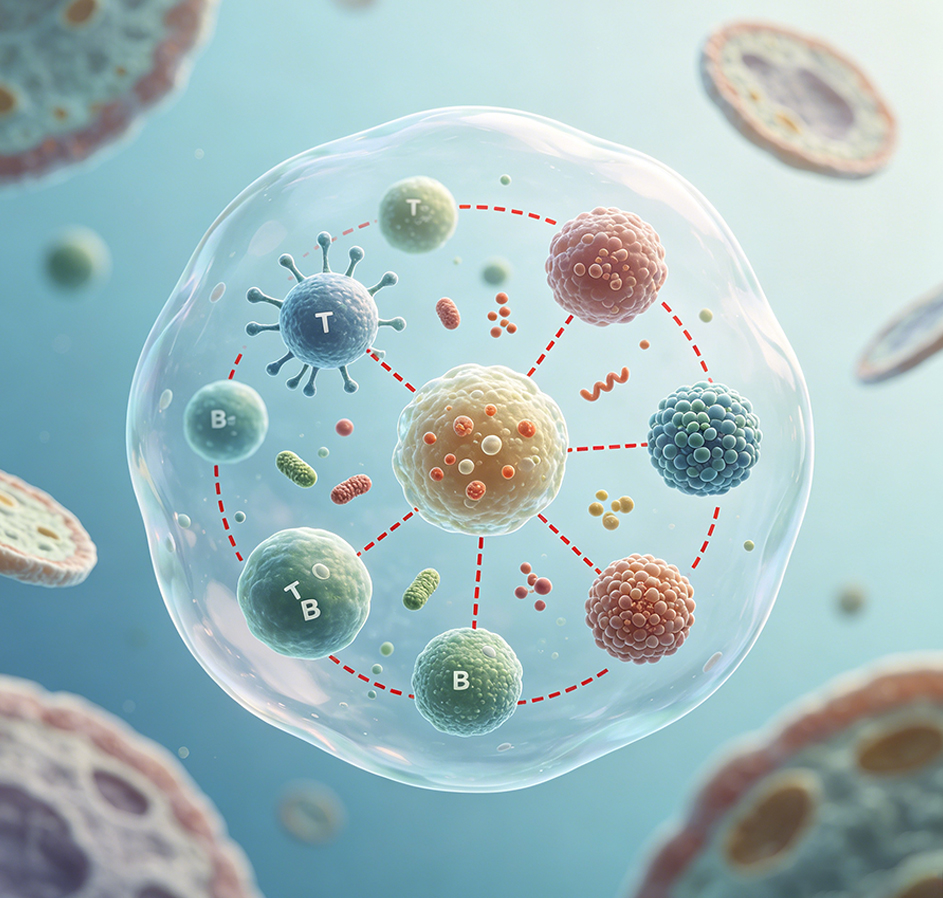
Jennio Biotech provides targeted model expertise and transparent datasets that help teams execute to the rules above.