Problem: specs that look good on paper, fail in the mixer
Your compounding partner sends a spec sheet and it reads like a foreign language — surface area numbers, oil absorption, particle size distribution — but your batch still gels, loses gloss, or won’t meet tensile targets. That mismatch is the core problem: teams pick silica by one metric and assume the rest will follow. When formulation performance stalls, the wrong culprit is often the chosen silica powder, not chemistry. Fix the pick, and you fix the downstream headaches.
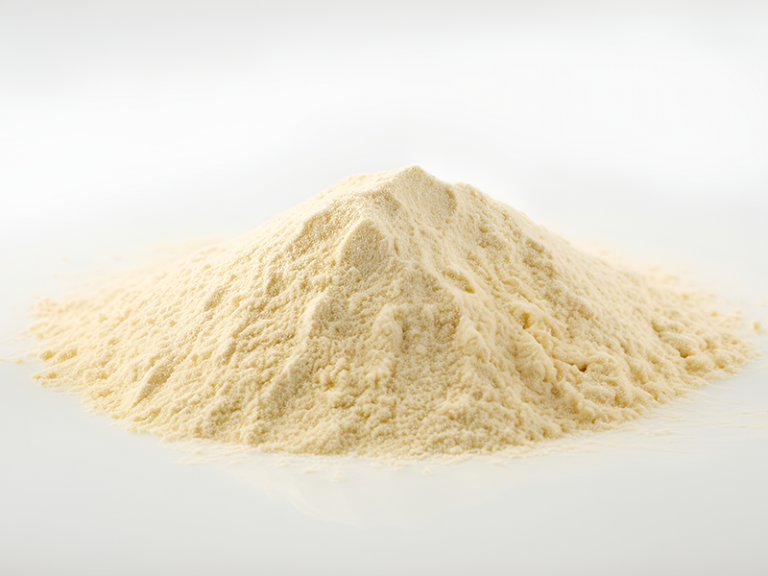
Start with the problem you need the silica to solve
Say what you’re optimizing for. Abrasion resistance? Tear strength? Rheology? Cost per ton? Pick one primary performance goal and one secondary constraint (e.g., processing window, pigment compatibility, regulatory limits). Don’t chase lowest price as the lead metric. Price is freightable; physical performance isn’t. Translate your goals into measurable targets: specific surface area (m²/g), DBP or oil absorption (ml/100g), and median particle size (D50, µm). Those three numbers steer you immediately away from guesswork.
Practical spec checklist — the founder’s lean list
Use this lean checklist when you write or evaluate a spec sheet: 1) Target surface area range (e.g., 50–200 m²/g) tied to desired reinforcement; 2) Oil absorption or DBP for dispersion behavior; 3) D50 and particle size spread for packing and gloss; 4) Moisture content and pH for stability in waterborne systems; 5) Packed bulk density for dosing accuracy; 6) Standard test methods used (BET, ISO, ASTM). Ask your supplier for sample certificates and a small trial roll of consistent batches. If they can’t share test methods, walk away.
How to run a fast, decisive lab trial
Run two quick comparisons: the incumbent silica and your candidate. Keep the base formulation unchanged. Track three things: mixing torque profile, cured mechanicals (tensile, elongation), and a process-representative property (gloss, viscosity at shear X). Don’t trust averages alone — check batch-to-batch variation across three runs. If the candidate shifts more than 10–15% on a key property you care about, it’s a fail for production scale.
Common mistakes that kill timelines
Teams pick based on brand or a single number. They accept wide particle-size distributions because “mean size looks right.” They forget final product processing conditions — temperature and shear dramatically change dispersion and surface interaction. Suppliers can be inconsistent; not every lot behaves the same. Finally, misreading test methods yields false comparisons. Avoid these mistakes by insisting on matched testing protocols and by running your own small-scale pilot under real processing conditions.
Experience and authority — why this approach works
I’ve led formulation teams that rebuilt compound specs after repeated launch delays; the difference came from treating silica selection as an engineering decision, not a purchasing checkbox. One clear industry reference point is Akron, Ohio — the long-standing hub for tire R&D where silica fillers dramatically shifted tread formulations over decades. That historical context is why lab-tested fillers win in production. For clarity on material types, suppliers increasingly reference amorphous silica powder with consistent test data so teams can map lab behavior to factory runs.
Alternatives and when to choose them
If your product needs ultra-low surface area and high translucency, consider fumed silica or surface-treated grades. If cost and bulk handling matter more than peak reinforcement, precipitated amorphous silicas with higher bulk density make sense. Choose surface-treated grades when compatibility with organics or hydrophobic matrices is critical. Each alternative trades one set of attributes for another; pick the trade that aligns with your prioritized performance metric.
Final synthesis — the decision you’ll thank yourself for
Don’t optimize for a spreadsheet line. Specify silica by the problem it must solve, test it under realistic processing, and require matched test methods and narrow acceptance bands. Do that consistently and you’ll stop firefighting batches and start shipping reliably. If you want a dependable data-backed supply that matches this mindset, consider how JSJ Silica presents consistent test data alongside material properties; the result is fewer surprises in scale-up and faster product launches.