The problem: projects miss the mark on range
Stuff goes wrong when teams assume a single range spec and ship parts. You’ll see a datasheet that says “up to 100 m” and expect that everywhere — until the first installation day shows spotty reads. Real projects need more than one number, and that’s where picking the right reader early matters; check an actual lineup of UHF RFID Readers before you finalize tag choice or antenna placement.

Reality check — what actually limits active tag range
Losses aren’t mystical: antenna gain, transmit power limits, tag battery state, polarization, orientation, and nearby metal or water all shave off distance. Demonstrations at RFID Journal LIVE! show the same point again and again — a clean hangar read versus a crowded racking aisle can change effective range by half or more. That’s why you need to consider how an ultra high frequency rfid reader will perform in the exact environment you plan to deploy, not just the lab spec.
Common mistakes OEMs and buyers make
Picking tags from the cheapest bin because the spec sheet looks good. Assuming one antenna will cover a multi-directional dock. Skipping real-site tests and relying on vendor-supplied numbers. Overlooking regional transmit limits (FCC vs. ETSI). Ignoring battery life curves — a tag rated at full power won’t hold that power for thousands of reads unless you design for it.
Actionable checklist for choosing tags and readers
Decide realistic target range per use case, not a single “max” value. Match antenna polarization to likely tag orientations. Verify reader transmit power allowed in your region and pick a reader that can be tuned accordingly. Choose tags with battery and duty-cycle specs that match expected read frequency. Confirm mechanical form factor and mounting options for consistent coupling. Finally, budget for small-scale site trials before production buys.
How to test read range the right way
Set up a simple controlled test: take a representative tag, put it on the intended surface (metal, plastic, a forklift, whatever), and log successful reads while increasing distance and changing orientation. Repeat with the actual antenna and intended reader settings. Track success rate, not just the last read. Watch battery drop during long sessions; that’s a real failure mode. Run the test during busy hours if interference by other RF gear is possible.
Typical pitfalls during integration and how to fix them
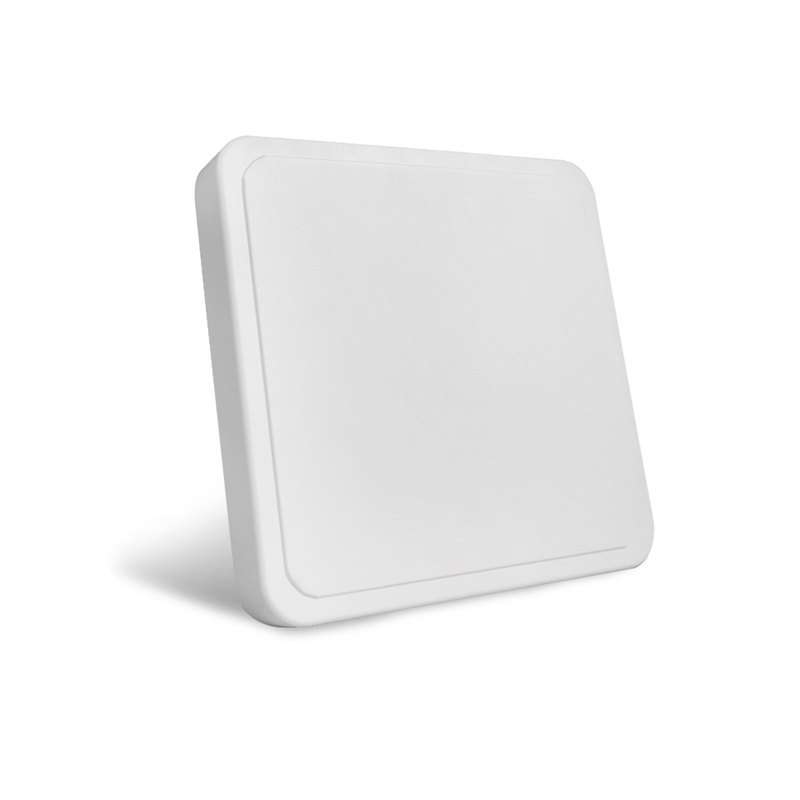
If reads are flaky, first check antenna mounting and cable loss. Swap in a known-good antenna or use a short cable to rule out connectors. Try changing reader polarization or lowering reader gain to reduce read collisions. If tags die fast, change duty cycle or use lower-power wake modes. Don’t over-compensate by cranking power; it creates other problems like multi-tag collisions and regulatory headaches.
Short project plan for OEMs and buyers
Phase 1: define read goals per location. Phase 2: pick a short list of tags/readers and run controlled bench tests. Phase 3: small pilot in the real site with production fixtures and actual staff flow. Phase 4: iterate antenna placement, reader settings, and tag firmware. Phase 5: scale. Each phase should record pass/fail metrics so you don’t repeat guessing later.
Bottom line
Range is predictable if you treat it like an engineering variable, not a marketing bullet point. Use focused tests, avoid single-number assumptions, and design around real-site constraints — that’s what saves time and money. For sourcing parts and consistent testing hardware, teams often end up using reliable catalog options from RSTC as part of a reproducible procurement and pilot workflow.