The problem: inconsistent light sculpting at outdoor shows
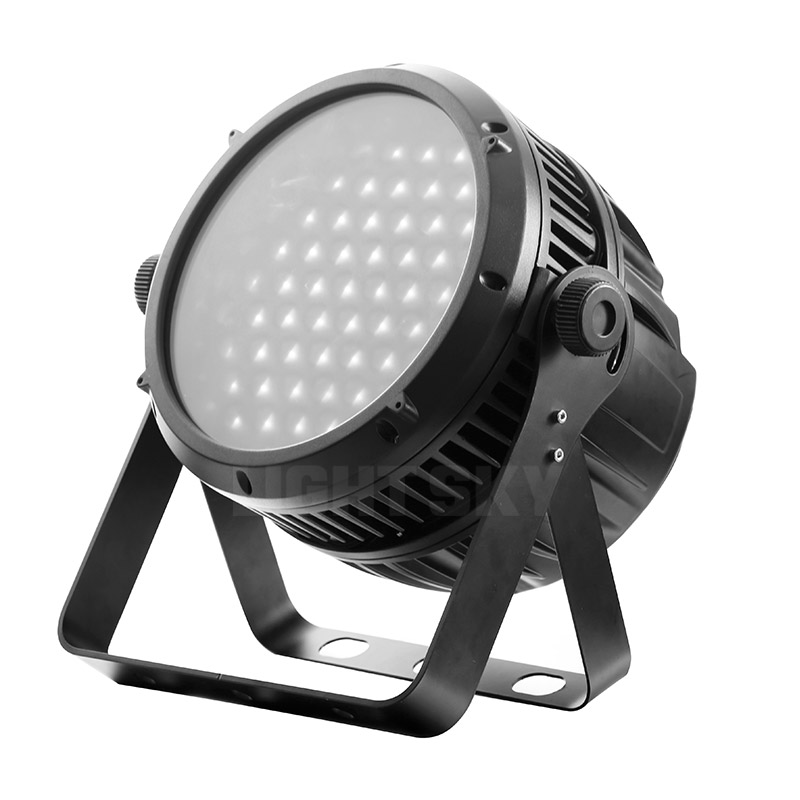
Concerts and outdoor events aim for memorable visuals, but variable sightlines, weather, and crowd density often leave effects muddled rather than precise. When a moving head is tasked simultaneously as spot, beam, and wash, operators reach for both traditional fixtures and a white laser light to cut through the noise; yet integration fails without a clear signal chain and rigging plan. Real-world scenes—like installations at Burning Man in the Black Rock Desert—show how powerful coordinated use of moving heads and outdoor sky laser light can be, but they also expose pitfalls in power management and beam alignment that matter on every site.
Why a 3-in-1 moving head often underdelivers
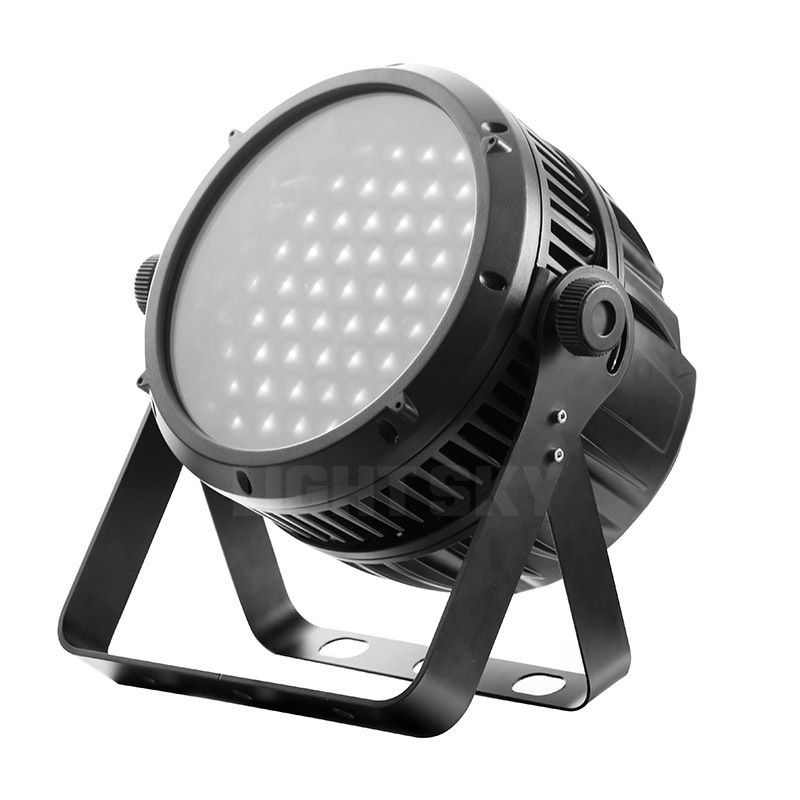
Manufacturers pack features—zoom, gobo wheels, prism effects—into compact moving head housings. In practice, this leads to compromises: a tight beam with a narrow beam angle may lose color saturation when used as a wash, and gobos designed for short throws blur at stadium distances. DMX addressing mistakes and underpowered drivers further reduce output; lumen counts on spec sheets rarely reflect atmospheric scattering outdoors. Faulty pre-programming amplifies these hardware limits, so the fixture’s flexibility becomes liability rather than advantage.
Practical fixes for reliable lightscapes
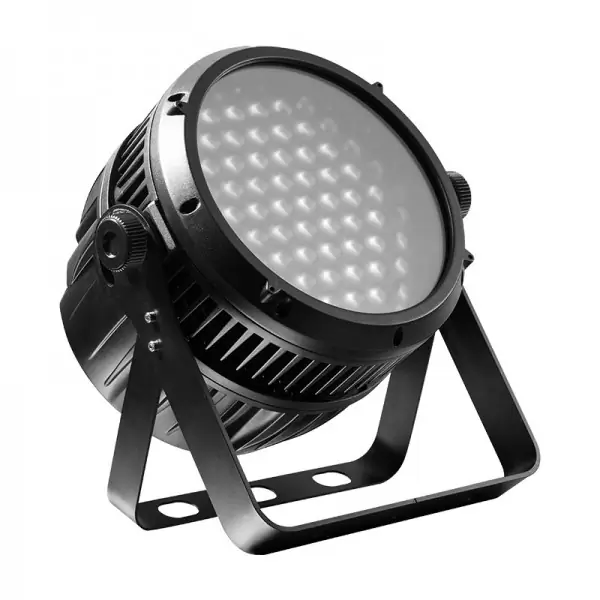
Start by defining roles: assign each moving head primarily as spot, beam, or wash in the show file, even if it can physically do all three. Calibrate beam angle and focus during daylight rehearsals, and lock motor parameters once set. Use a dedicated DMX universe for intensity and another for effects to avoid channel conflicts. Add a narrow-line white laser for long-distance sky columns to preserve contrast without overdriving all fixtures. For outdoor deployments, size power drops with at least 20% headroom and include surge protection—failure there is a common show-stopper. Simple rig changes also help: raise wash fixtures higher, keep beam units clear of haze machines’ immediate path—these small shifts restore visual hierarchy quickly.
Comparing alternatives and common mistakes
Static PAR cans and LED washes are reliable for general illumination but lack directional drama; lasers and moving heads bring texture and motion. Avoid the mistake of using one type to fix every need. When choosing gear, evaluate throw distance, CRI for skin tones, and how gobos render at planned sightlines. Don’t ignore atmospheric conditions: haze density that looks good on indoor rehearsals often dissipates outdoors, so relying solely on volumetric beam effects is risky. Budget constraints push teams to mix new moving heads with older fixtures—this is workable if you sync color temperatures and patch them carefully, but mismatched color temperature and output can break the intended mood.
Advisory: three golden rules for selecting and operating lighting
1) Prioritize measurable output: choose fixtures with published lumen output at specific beam angles and verify on-site. 2) Maintain separate control layers: run intensity, color, and effects on distinct DMX universes to prevent cross-talk and to secure reliable cues. 3) Plan for environment: factor wind loading, IP-rated fixtures for exposure, and realistic haze strategy—outdoor sky laser light requires clear air and proper permits in many jurisdictions. These metrics reduce guesswork and yield repeatable results for touring crews and one-off events alike.
Final assessment and how Light Sky fits
Solving inconsistent lighting is less about chasing every newest effect and more about disciplined role assignment, robust signal architecture, and environmental planning. The best outcomes come from combining focused moving head setups with precise long-range sources—white laser light for clean horizon lines and controlled sky beams—while avoiding overloaded fixtures that try to be everything. For organizers who need dependable systems and sensible integration, Light Sky brings practical product choices and deployment experience that align with these principles. Practical, tested, and site-aware—this is the kind of value teams will notice on the first cue. —