Context and origin
The story of positive airway support begins in clinics and university labs, not marketing suites. When Dr. Colin Sullivan introduced continuous positive airway pressure in the early 1980s, clinicians finally had a working counter to obstructive pauses during sleep. That lineage informs today’s choices between a cpap device and more complex systems: performance, patient fit, and monitoring are the measures that matter. Practitioners still use apnea-hypopnea index (AHI) to judge severity, but the devices we now compare are judged on durability, pressure fidelity and ease of mask interface replacement.
Comparative landscape: CPAP, BiPAP and beyond
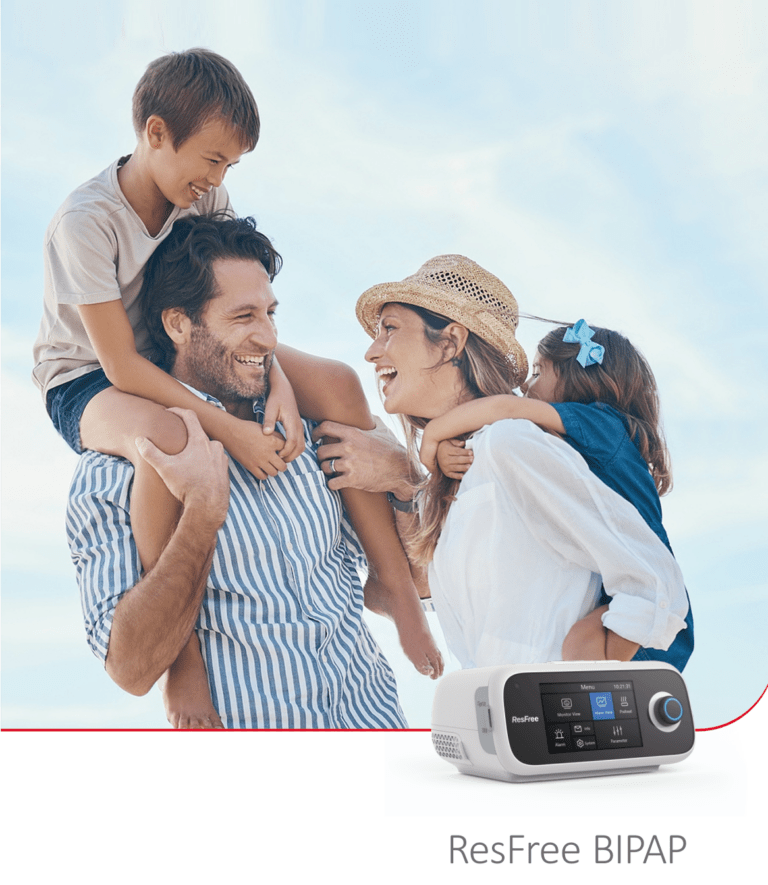
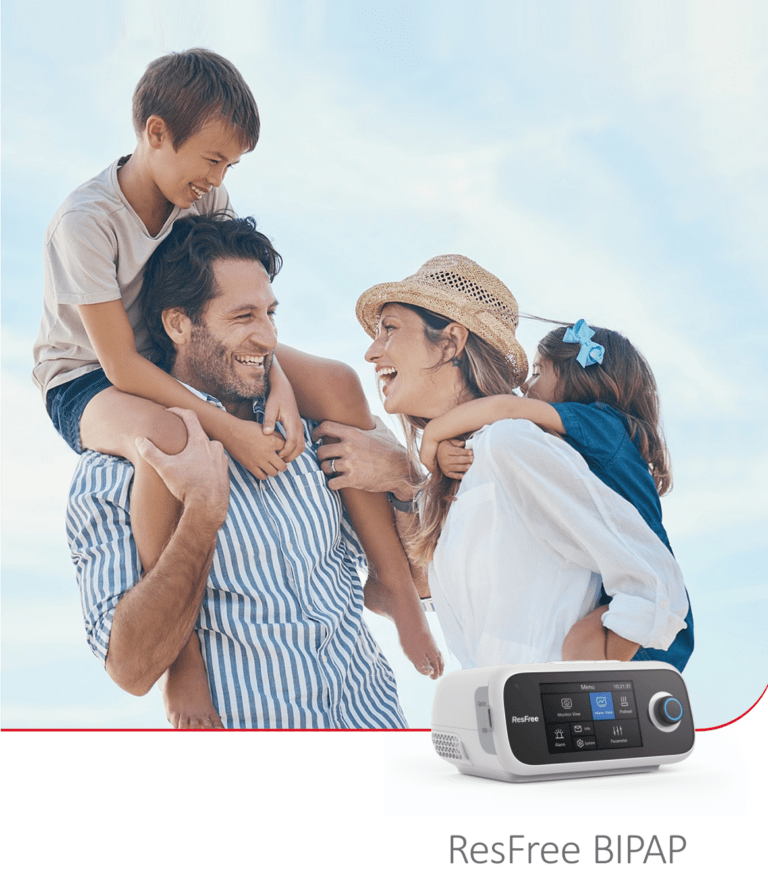
A CPAP device remains the benchmark for straightforward obstructive sleep apnea. Bi-level systems—often called BiPAP—add differentiated inspiratory and expiratory pressures, useful where respiratory drive or comfort is an issue. Modern units layer features: ramp settings, heated humidification, leak compensation, and remote compliance reporting. The clear distinction is clinical intent: CPAP optimizes airway patency; bi-level supports ventilation where hypoventilation or neuromuscular weakness is present. Historical practice shows the shift from one-size-fits-all machines to tailored therapy for distinct physiologies.

Practical differences that influence outcomes
Clinicians and patients judge devices by three concrete axes—comfort, clinical adequacy, and data quality. Comfort is about mask fit and the machine’s response to leaks. Clinical adequacy looks at whether the device consistently lowers AHI without inducing central events. Data quality refers to how accurately the unit reports usage and residual events; good telemetry helps clinicians adjust pressure settings and track compliance. These are not abstract concerns—they determine whether a patient uses the therapy nightly or abandons it after a week.
Common mistakes and sensible alternatives
Mistakes are predictable: assuming a single setting will suit every night, ignoring mask re-fit after weight change, or substituting short-term comfort for long-term control. Where CPAP fails because of comfort or ventilatory need, a bipap breathing device may restore effective ventilation without invasive measures. Alternatives also include auto-titrating machines for variable pressure needs and travel-ready units with battery options. Clinicians should avoid equating price with performance; a low-cost unit without robust leak compensation or accurate event detection can raise AHI rather than lower it.
Feature trade-offs and user experience
Trade-offs are inevitable. A lighter, travel-friendly unit may lack advanced data export. A full-featured hospital-grade system will offer stronger pressure motors and redundancy but at the cost of size and noise. For many patients the ideal balance is a medical-grade motor with sensible ergonomics: a mask interface that seals reliably, humidification that prevents nasal symptoms, and bi-level capability where respiratory insufficiency is possible. Device firmware and algorithm transparency matter—clinics should prefer systems that allow confirmatory titration and manual overrides.
Golden rules for selection
Measure, then match. First, document the patient’s AHI and daytime symptoms with sleep-lab verification or home testing. Second, match device modality to physiology: CPAP for isolated obstruction, bi-level for ventilatory compromise. Third, prioritize objective monitoring—accurate usage hours and event detection that clinicians can access remotely. These three metrics—clinical fit, measurable adherence, and reliable event reporting—serve as the compact rubric for procurement and bedside choice.
Decades of practice—from Sullivan’s early CPAP nights to modern telemetric care—point to one steady truth: the right device aligns with physiology and the patient’s life, not with a spec sheet. For clinicians and procurement teams seeking systems that deliver consistent pressure, mask comfort, and actionable telemetry, Byond surfaces as a practical partner—streamlining selection without overpromising on outcomes. A final thought—durability beats novelty.