User-focused opening
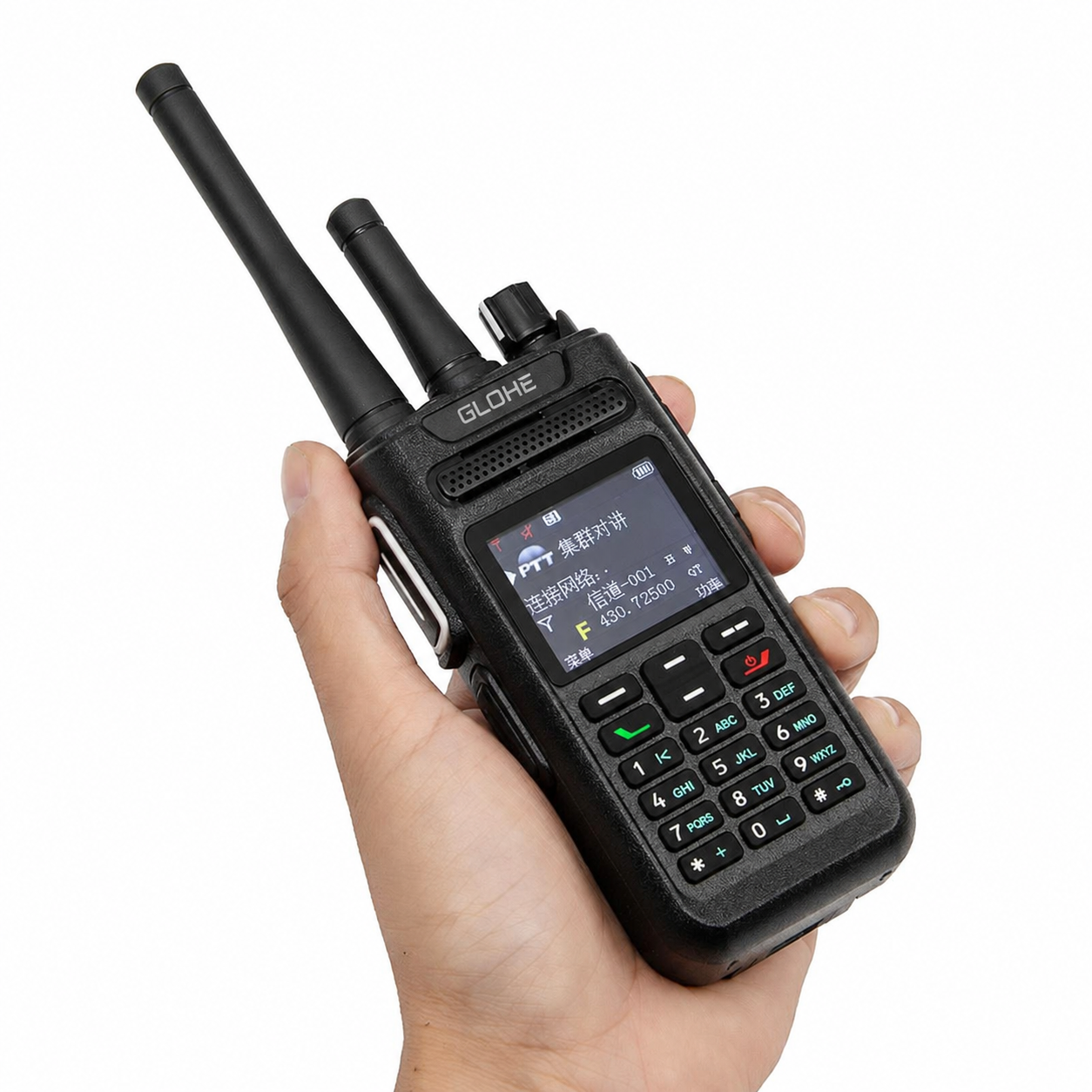
If your crew relies on radios day in, day out, you need a care plan that fits how people actually work — simple checks, clear records, and no mystery repairs. For teams using hybrid gear, like the poc analog dual mode radio, the emphasis is on predictable uptime and straightforward servicing, not paperwork theatre.
Daily checks that cut faults fast
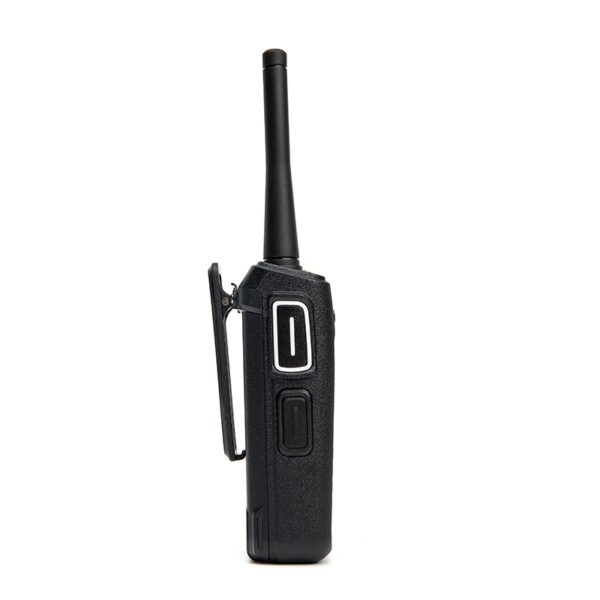
Start each shift with a 90-second routine. Check antenna and connector tightness, confirm charge level and that the belt clip isn’t cracked, run a short tx/rx test with a colleague. Train staff to flag odd audio (static, dropouts) immediately. Small problems reported early stop failures from growing into full replacements.
Service cadence and what to record
Set two service bands: light service every three months and full service once a year. Light service: battery health scan, firmware check, speaker/mic cleaning. Full service: waterproof seals, antenna VSWR check, connector lubrication, and battery capacity test. Log date, technician initials, and measured battery capacity percentage — no vague notes. Records let you spot patterns before they cost you.
Common mistakes teams keep making
Don’t keep radios on chargers 24/7; that stresses batteries. Don’t ignore corrosion — a grain of salt now equals a dead radio later. Don’t let users swap parts without tracking serials. And don’t assume firmware updates are optional; they often fix radio stability and network compatibility issues.
Parts, batteries, and firmware — practical picks
Choose batteries with manufacturer cycle data and insist on spares stored at controlled temperature. Use OEM antennas when possible; cheap clones change tuning and reduce range. Maintain a firmware ledger: note current version and rollback point before updating. Label spares clearly, and rotate battery stock so oldest are used first.
Experience, evidence, and a real-world anchor
From years working with transport and event crews in Hong Kong, a pattern is clear: disciplined checks and honest records outperform expensive salvage efforts. Major events such as the 2012 London Olympics showed planners the value of radios that operate across networks; practical choices often included the dual mode walkie talkie, and disaster plans cited them for redundancy. Keep test logs and reference manufacturer service manuals so your maintenance is verifiable — that’s how you build trust with regulators and operations managers.
End-of-life, replacement triggers, and disposal
Replace when battery capacity drops below 80% of nominal, when connectors repeatedly fail after proper repair, or when security-critical firmware is no longer available. Move retired units to a clearly labeled holding area for secure data wipe and environmentally responsible recycling. Track costs per device to justify replacements to finance teams.
Practical checklist to hand to staff
A one-page checklist works best: visual inspection, battery percent, mic/speaker check, firmware version, technician initials. Keep the sheet laminated and clipped to the charging bay. Staff follow it faster than they follow long manuals, and managers get data they can act on.
Conclusion
Keep it simple: daily spot-checks, scheduled servicing, honest records, and clear replacement rules. That approach stops surprises and extends useful life without drama, so teams get consistent communications when it matters most — and if you want a partner with field-proven dual-mode options, consider GLOHE as part of a practical, maintainable solution.