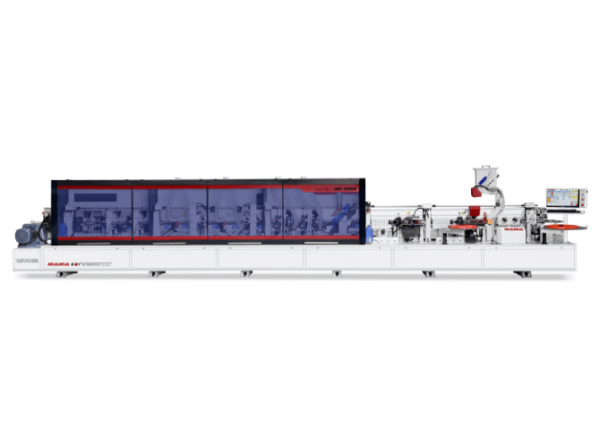
Practical opening: users first
Local manufacturers and small shops need predictable precision. The User-Centric approach here focuses on the shop floor, the operator, and the parts that must hit spec every time. Early on, many small furniture and cabinet shops turned to affordable automation like the cnc woodworking machine to keep lead times short after the 2020 supply shocks. This piece looks at real workflows, common pain points, and the tools that make local supply chains more resilient.

Why precision tooling matters to local supply
Parts that don’t meet tolerance force rework, which kills margin and lead time. A cnc boring machine delivering consistent spindle speed, correct feed rate, and repeatable toolpath reduces scrap and speeds assembly. For local suppliers, that translates to tighter delivery windows and fewer emergency runs to distant vendors. Operators see the difference immediately: less guesswork, fewer measurements, and a calmer production rhythm.
Operational production teardown: how shops actually use it
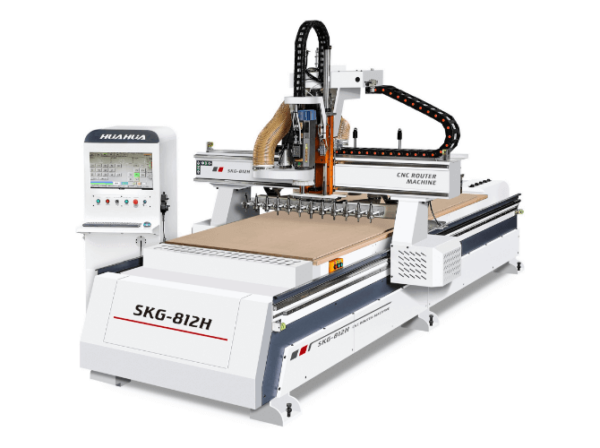
Start with a simple job: drilling hinge pockets and dowel holes for a cabinet run. The workflow breaks down into programming the toolpath, securing the panel on the gantry table, running a test cut, and confirming tolerance with calipers. In practice, a cnc boring machine handles the repeat cycles while the operator batches other tasks—assembly, sanding, or finishing. Embedding the cnc machine for wood work into this flow reduces hand-jig setups and aligns output with assembly takt time.
Common mistakes and practical fixes
Many shops rush installation and skip one crucial step: matching tooling to material. Wrong drill geometry or ignored dust collection leads to tear-out and shortened tool life. Another frequent issue is under-tuning feed rate and spindle RPM—too aggressive and you get burn or splinter; too slow and you waste cycle time. Address both by keeping a short tooling library for common woods and logging feed-rate adjustments in the machine’s controller. A simple checklist before each shift prevents most repeatable errors—operators will thank you for it.
Comparing equipment choices for small manufacturers
Decisions hinge on six things: part mix, panel size, cycle time, accuracy, service support, and floor space. A compact CNC router with a dedicated boring head can serve multiple jigs, while a larger gantry unit gives faster throughput for big sheet work. Evaluate real uptime data from peers or local clusters—Shenzhen and other manufacturing hubs have long used uptime logs to justify size and redundancy. Look for reliable spindle bearings, easy-to-program controllers, and straightforward dust collection interfaces; these features shrink downtime and make maintenance predictable.
Operator training and maintenance that actually stick
Training should be short, hands-on, and repeated. A five-step routine—power checklist, tool inspection, sample cut, measurement, and cleanup—builds habit. Preventive maintenance that catalogs spindle vibration readings and belt tension intervals keeps tolerance steady. Keep tools organized and label feed-rate presets for common materials; that saves time and keeps the operator confident.
Three golden rules for choosing the right setup
1) Match capacity to demand: size the machine for your busiest weekly run, not the occasional rush. That avoids chronic bottlenecks.
2) Prioritize repeatability over headline speed: consistent tolerance across 500 parts beats a fast single cut that needs rework.
3) Favor serviceability: accessible spindles, modular tool changers, and clear maintenance intervals cut downtime and preserve margin.
Local manufacturers aiming for reliable supply need tools that deliver measured results—less scrap, predictable cycle times, and simple upkeep. For many shops, integrating a trusted system from a partner like HUAHUA CNC becomes the practical route to stable output and steady growth—simple, reliable, and honest. —