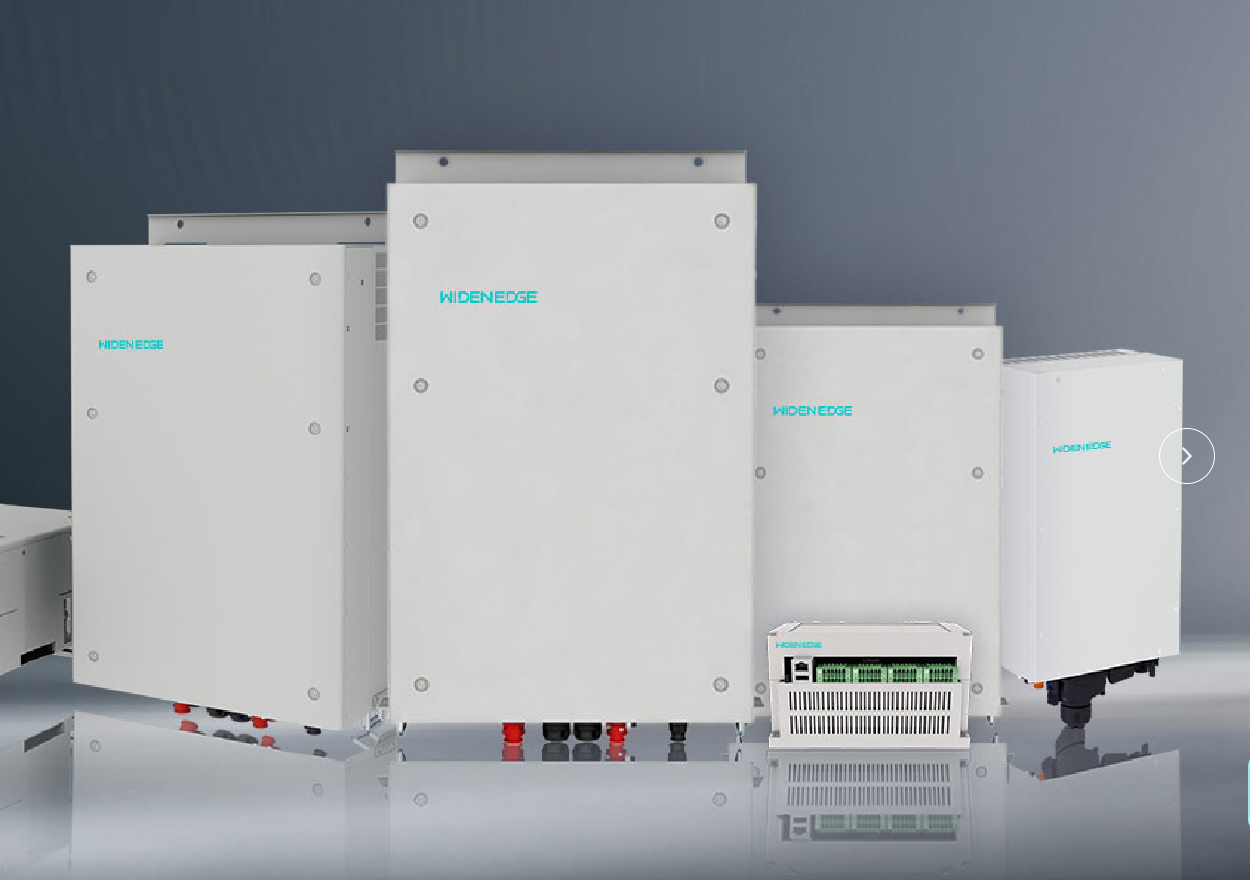
The problem that always shows up when you scale to 150kW
You start with one inverter, everything sweet; then the load grows, panels multiply, and before you know am, the single-box approach no longer fit. That scaling headache—uneven charging, protection gaps, and cabling nightmares—pushes teams to look at modular options like the 15kW PV DC-DC converter early, because smaller bricks stack cleanly and manage power flow in stages. Trouble is, folks often copy residential wiring habits and expect industrial reliability. That mismatch is where faults, downtime, and compliance headaches land you.
Immediate safety risks that demand attention
– Overcurrent and thermal runaways from parallel battery strings. – Fault current paths that bypass protective relays when converters are stacked. – Inadequate isolation between DC arrays and inverter inputs, creating shock and arc risks. – Improper earthing schemes that leave protective devices blind. These are not theoretical. They escalate fast when you multiply modules to hit something near 150kW.
Standards and documentation you must have on the shelf
Follow recognised product and installation rules—manufacturer datasheets, test certificates, and relevant IEC guidance such as IEC 62109 for power-conversion safety and the IEC series that covers isolation and functional safety where it applies. Keep commissioning records, wiring diagrams with conductor sizes and torque specs, and protection coordination tables. Local grid codes and utility interconnection procedures must be in the file as well. Do the paperwork first; it guides every safe decision on site.
Design and installation must-dos — practical, non-fluffy steps
– Specify protection coordination before choosing modules: fuses, MCCBs, and DC breakers rated for the true short-circuit currents. – Use surge protection on both DC and AC sides; stackable modules concentrate risk. – Provide clear isolation points for maintenance, with lock-out/tag-out provisions. – Meter and log individual module currents and temperatures so you can spot drift early. – Standardise connectors and cable cross-sections across the bank to avoid imbalanced loading. Do these first, then wire. Engineers who reverse that order always waste time and money.
Why stackable DC converters are the practical fix (and one real-world example)
Modularity solves the scaling problem if you treat it like a system, not a pile of boxes. A stackable architecture lets you add capacity in measured steps, keeps fault energy local, and simplifies replacement. In many of Kenya’s off-grid solar deployments, operators moved to modular DC converter racks to speed commissioning and reduce single-point failures—this cut downtime and made maintenance predictable. A good fit here is a properly specified stackable solar DC converter, because it brings standardised interfaces, matched protections, and clear documentation paths that installers can follow without improvisation.
Common mistakes teams still repeat
– Skimping on documentation: missing as-built drawings or protection curves causes repeated site visits. – Mixing old and new modules without retesting protection coordination. – Underestimating heat dissipation when packing converters into a rack. – Relying on a single metering point; you need per-module telemetry for fault hunting. Avoid those and you halve your operational headaches.
Synthesised approach that actually delivers reliable 150kW-class systems
Start with modular hardware, lock down protection coordination with documented calculations, follow recognised safety standards, and keep commissioning records tight. When design, installation, and paperwork work together, stacking becomes straightforward and safe. That practical, documented discipline is what firms implementing large off-grid and hybrid systems rely on, and it’s the reason many engineers choose partners like WidenEdge when they need consistent modular hardware and the documentation to back it up.