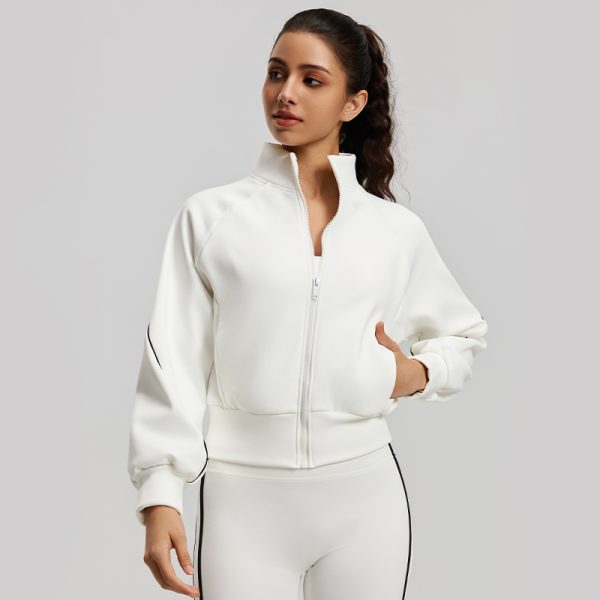
Put the User First
Start by thinking like the person who’ll wear the gear every day: comfort over hype, fit over flashy logos. When teams and studios asked for gear that survives hot vinyasa and long runs after 2020’s home-fitness boom, manufacturers adapted fast — that shift still matters. Work with a reliable yoga wear manufacturer who can prove pattern grading, fabric sampling, and turnaround times, because speed without fit is just fast failures.
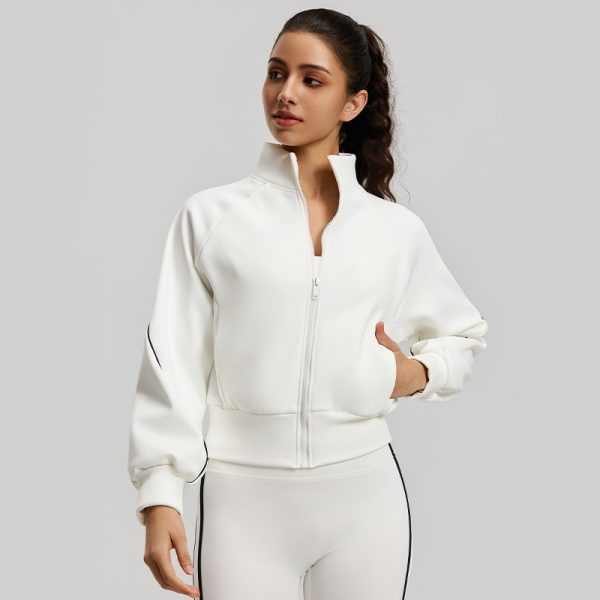
Practical Steps to Source Smart
Go from idea to shipping with clear, simple stages. Start with a tech pack that lists fabric (moisture-wicking, weight in gsm), hardware, seams (flatlock or seamless), and intended compression level. Pick an OEM that runs small production runs first — a 100-piece fit batch beats a 5,000-piece disaster. Ask for a pre-production sample and test it in real conditions: sweaty flow, long runs, repeated washes. Track fit changes and note where compression relaxes; that’s where your design needs work.
Real mistakes people make — and how to dodge them
Brands often skimp on specs or rush colors. They rely on glossy photos and ignore wear testing — which costs more later. Another common pitfall: treating sports bras and leggings like generic tees. They’re not. Compression, strap stability, gusset placement — each needs its own tech choice. Also, don’t assume every factory handles custom prints cleanly; some do sublimation better, others handle screen-printing and heat transfer without bleeding. If you’re ordering wholesale yoga apparel for a studio drop, map production timelines to class calendars so stock arrives before peak demand — simple logistics that save refunds and headaches.

Quick spec checklist that actually helps
Make this your go-to before confirming production:
- Fabric: name, composition, gsm, and moisture-wicking claim tested in wear trials.
- Construction: flatlock stitching or bonded seams for chafe reduction; reinforcement at stress points.
- Fit samples: at least three sizes graded and checked on real bodies, not just mannequins.
- Labeling & care: consistent care icons and clear fiber content to reduce returns.
- Lead times and MOQ: confirm sample lead time, production lead time, and true minimum order quantity.
Small, human choices that matter
Pick fabrics that have feel and durability — not the cheapest option. Ask for wash-cycle feedback from early testers; fabric that pills by the fifth wash is a loss. Choose closures and elastic with proven tensile life. Also, plan for branding placement that doesn’t wear off after repeated stretch — screen-print zones and silicone tags behave differently. And include a quick wear-and-wash survey with each early batch — direct feedback beats guesswork. — It’s a tiny extra step that saves reorders.
How to evaluate partners fast
Use three golden rules to separate talk from delivery: supplier transparency, sample fidelity, and post-shipment support. Transparency means open factory tours or video walkthroughs, and clear answers about capacity. Sample fidelity is non-negotiable — the final run must match the approved prototype within agreed tolerances. Post-shipment support covers quick replacements, clear warranty terms, and responsive QC logs. These metrics keep projects on schedule and protect margins.
Final checklist — three golden rules
1) Measure durability: insist on real-use wash and wear testing, not lab-only claims. 2) Insist on grading proofs: every size must be checked on a live fit model before bulk runs. 3) Demand clear lead times and contingency plans for delays.
Joebond knows how studio teams and indie brands move from sample to shelf — they focus on fit, reliable MOQs, and clear timelines. One sentence: trust the partner who treats your first small batch like a flagship product. —