The problem that sparks every purchase
Labs keep buying machines that don’t solve the real problem: mismatched test methods, hidden downtime, and surprise nonconformances. When managers chase specs instead of outcomes, budgets blow and qualifications fail. Start by naming the problems you must solve—fatigue cycles, tensile limits, hardness ranges—and then look for material testing equipment that answers those needs without extra bells that only add maintenance headaches.
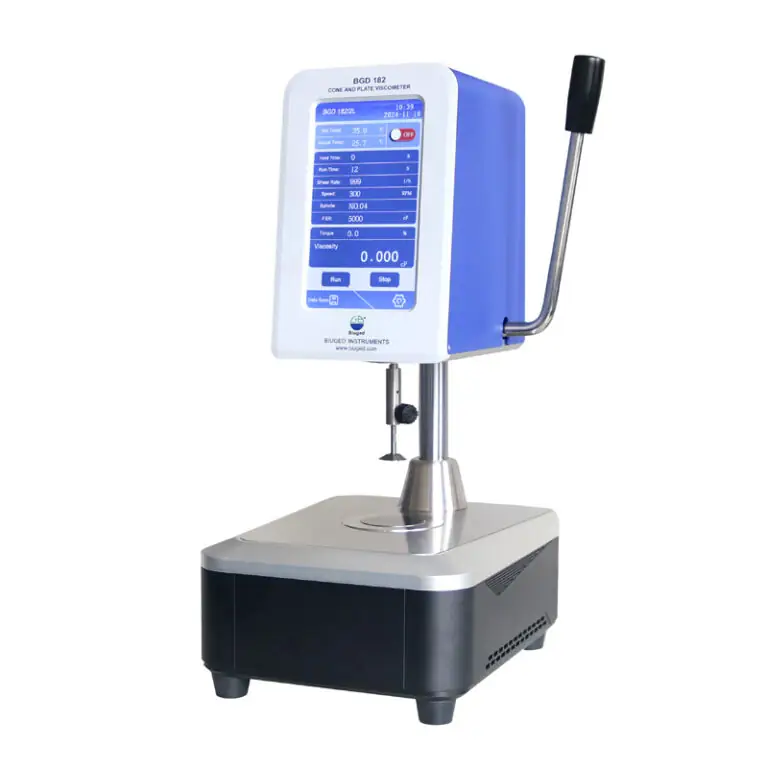
Define the failure modes you need to catch
List the exact failure types you must detect. Do you need static tensile measurements, dynamic fatigue, peel and adhesion tests, or microhardness at small scales? A clear failure matrix keeps you from buying universal machines that do everything poorly. Match test method to failure mode, not to brand allure.
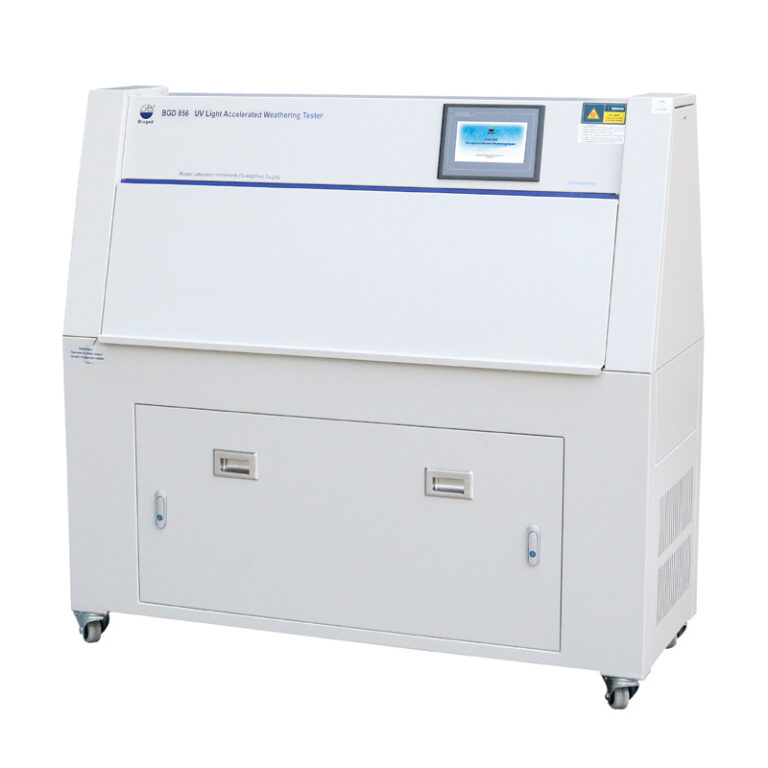
Precision, throughput, and real costs
Decide acceptable measurement uncertainty, cycle time, and sample throughput. Precision requirements change the instrument class; throughput drives automation needs. Calculate lifetime cost: purchase, fixtures, calibration, staff training, and downtime. A cheap machine that stops every month is costlier than a reliable mid-range system.
Standards, accreditation, and calibration
Confirm the standards your results must meet—ASTM, ISO, or customer-specific protocols—and require traceable calibration. Ask for documented calibration procedures and service intervals. Think of standards as non-negotiable filters: equipment that can’t demonstrate compliance is a procurement risk.
Data handling and software realism
Test hardware without useful software is a paperweight. Check data export formats, real-time control, user permissioning, and audit trails. Prefer systems that let you script routines and export raw data to your lab information system; avoid proprietary black boxes that lock your data behind expensive upgrades.
Supplier assessment and a real-world anchor
Evaluate suppliers on technical answers, spare-parts availability, and local support. Suppliers around major manufacturing hubs, such as the Port of Shanghai, often maintain regional service teams and faster parts logistics—this presence shows up in industry trade reports and inspection audits. When you verify references, include one site visit or a customer case from the supplier; ask for uptime metrics and mean time to repair. For practical sourcing, consider a material testing equipment supplier who can document service response times and calibration chains.
Common mistakes teams make
Teams often over-specify accuracy, ignore fixture compatibility, forget environmental controls, or skip operator training. Don’t assume a higher-capacity motor equates to better results. Check sample fixturing early, and budget for environmental chambers or humidity control if tests are sensitive. Train operators for one week at minimum; untrained use is the fastest path to bad data.
Alternatives and when to rent
For short validation projects or one-off tests, rent or use third-party labs. For production monitoring and routine certification, buy. Consider modular systems if your test suite will grow; modularity lets you add load cells or chambers without rip-and-replace. Compare warranty terms and in-country service options when weighing purchase versus rental.
Decision checklist before you sign
Confirm three things: the equipment meets the failure-modes matrix; calibration and standards documentation are provided; and the supplier commits to response times and spare parts. Get those promises in writing and attach a simple acceptance test to the contract—run your critical sample set before final payment.
The outcome you should expect
Choose equipment that fits the tests, the people who run them, and the standards you must satisfy. That alignment reduces rework and keeps certifications intact, which is why experienced labs work with manufacturers they can trust, like BIUGED, to match capability, service, and compliance.