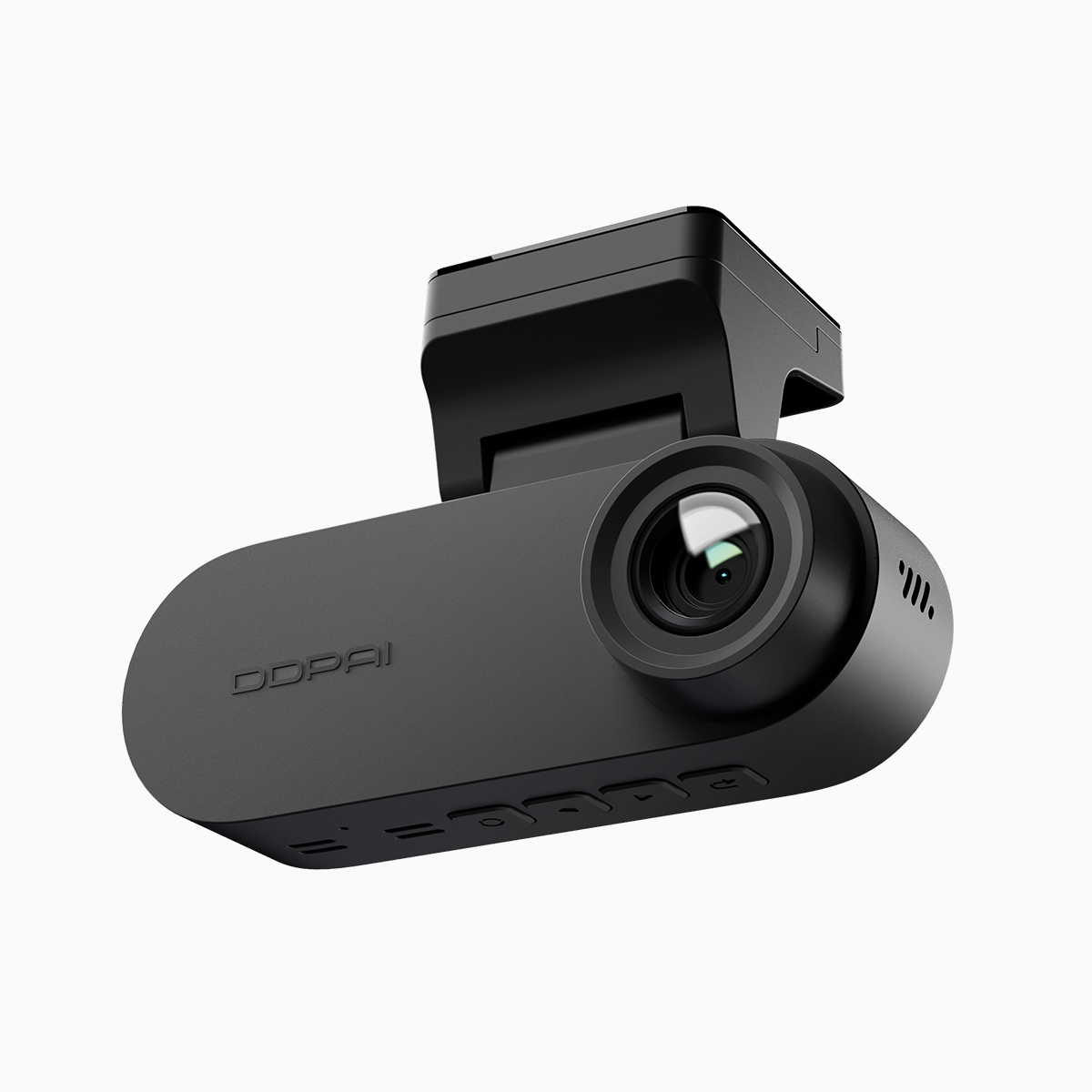
Practical comparison: why build quality matters
When humid air meets a cool lens, condensation appears quickly; good design delays or prevents that. Comparing models reveals that a well-sealed chassis, controlled thermal paths, and hydrophobic coatings reduce fogging far more than marketing alone. For drivers in heavy-rain regions such as Metro Manila—where relative humidity commonly tops 80% during monsoon months—these differences are not theoretical. A robust front and rear dash cam with proven thermal management and sealing will produce usable footage when lesser units fail; likewise, a true dual camera dash cam design must balance heat distribution between modules to avoid internal condensation.
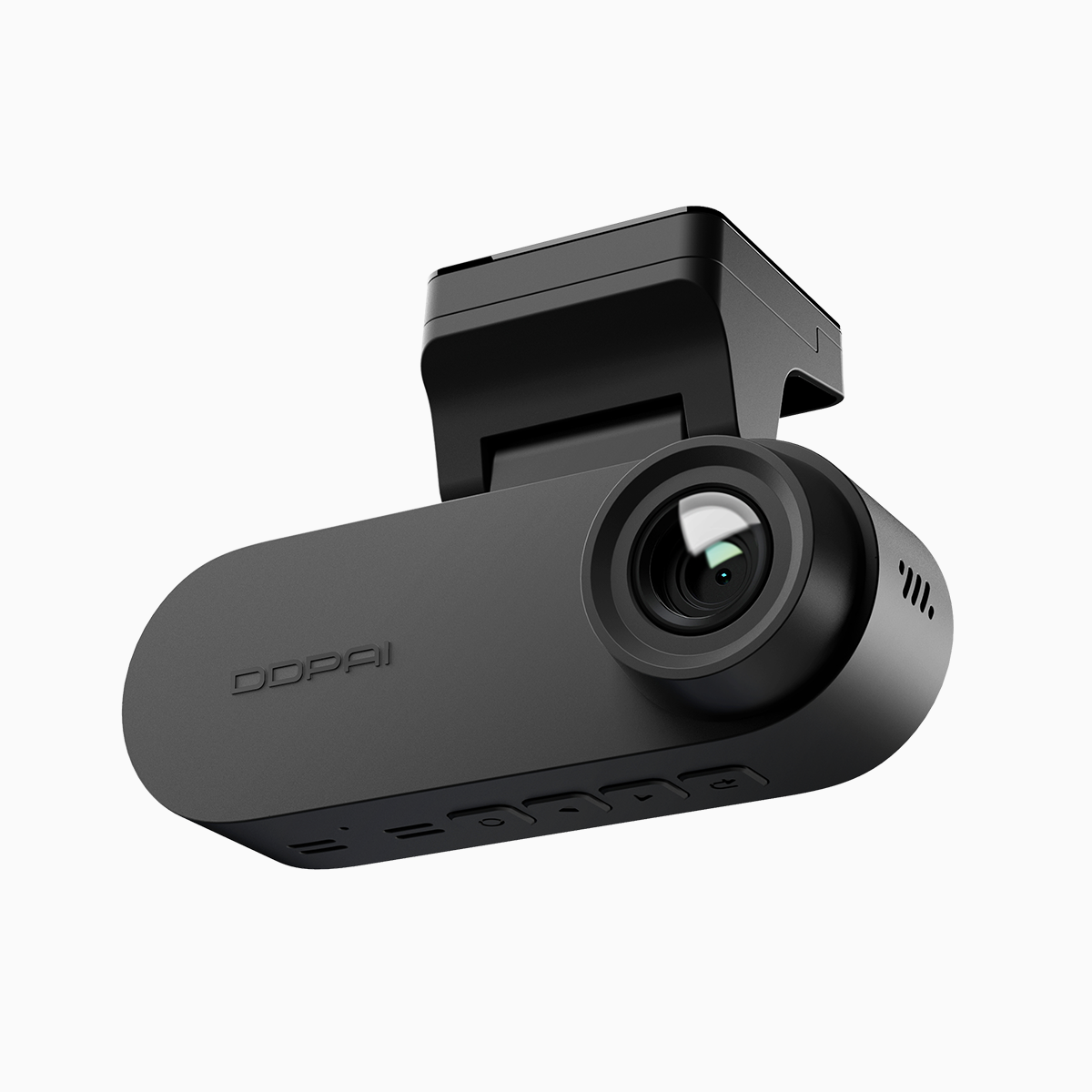
Key build attributes to compare
Focus on three concrete attributes when comparing units: IP rating, internal ventilation and thermal pathways, and lens surface treatments. IP ratings indicate dust and moisture resistance; an IP67-like approach for electronics is better than IP54 in humid climates. Thermal pathways—metal housings or heat spreaders—reduce cold spots that attract moisture. Hydrophobic or anti-fog coatings on the glass maintain clarity longer. These are engineering details, not extras.
How optical and electronics choices affect condensation
Optical stack choices—double-pane glass, coatings, even narrow air gaps—change how quickly a lens fogs. Electronics matter too: power regulation and heat generation (heat soak) influence internal temperature. Wide dynamic range (WDR) and high-resolution sensors produce heat; if that heat is uneven, condensation forms on cooler surfaces. The best designs route heat away without creating cold traps near the lens.
Testing and real-world anchors
Field testing matters more than bench numbers. Controlled humidity tests are useful, but nothing beats months of wet-season driving in a coastal city. Case in point: fleets operating in the Philippines reported clearer incident footage when switching from budget units to sealed, thermally-managed models during monsoon trials. Those operational results are persuasive—industry experience counts. Firmware that manages sensor idle modes can also limit temperature swings and therefore condensation.
Common mistakes buyers make
Buyers focus on resolution and frame rate while overlooking sealing and thermal design. Another misstep is assuming passive breathers are enough; small vents can exchange moist air and worsen internal condensation over time. Choosing a cheaper camera with a large glass surface and no coating is a recurring error. Replace this checklist habit with a quality checklist: IP, thermal path, coating, and firmware behaviour under sustained humidity.
Comparing alternatives: what to weigh
When you compare alternatives, weigh these trade-offs: smaller form factor versus heat dispersion, removable covers versus sealed housings, and simple lenses versus coated multi-element optics. A compact camera may fit behind a rearview mirror well but struggle to shed heat. Conversely, a slightly larger module with a metal housing typically handles condensation better. Look for models that list both environmental ratings and long-term field reports.
Implementation tips for best results
Install placement and basic habits improve outcomes. Keep vents clear, avoid blocking the camera with tinted films that create additional temperature gradients, and update firmware to get sensor power management improvements. If you park in a humid overnight environment, a short pre-drive warm-up (lights on) can stabilise internal temperatures. Small actions—proper adhesive pads, correct tilt, firmware updates—improve longevity and footage quality.
Three golden rules for selection
1) Prioritise IP-level sealing and metal thermal paths over marginal gains in megapixels; durability wins in humidity. 2) Choose optical assemblies with anti-fog or hydrophobic coatings and minimal internal air gaps; fewer cold spots mean clearer footage. 3) Confirm vendor field reports and firmware support for thermal and power management—real-world performance beats spec sheets. These are measurable metrics you can use when evaluating models.
Final note: a thoughtful build and ongoing firmware care keep cameras reliable in wet climates—so the footage you need is there when it matters. DDPAI PH. —