Intro: Head-to-head logic for whole-home decisions
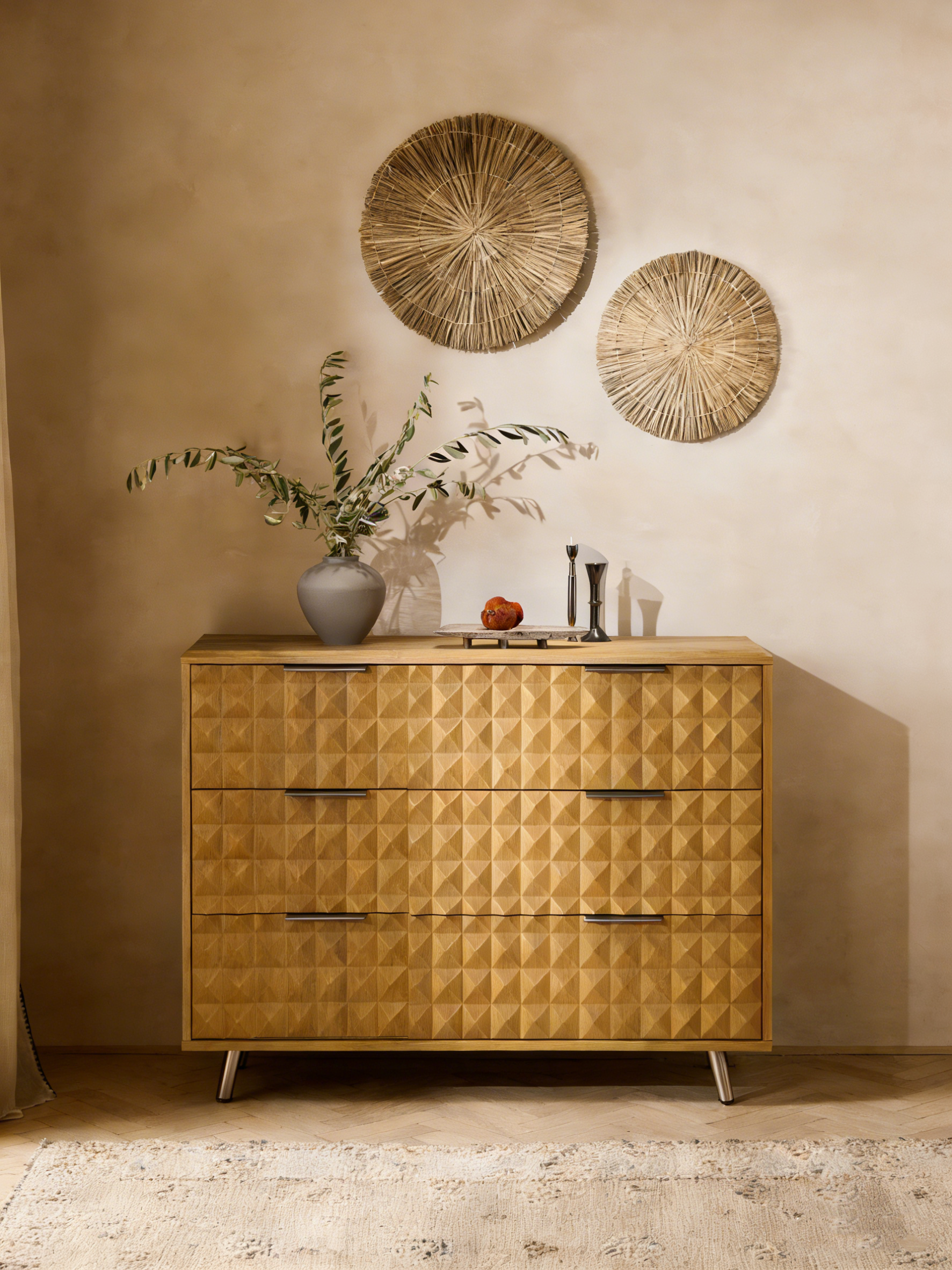
Comparative insight drives sustainable choices: when you scale a full-house fit-out, consistent material performance and predictable lead times matter as much as upfront price. For projects that must balance durability, thermal stability and finish uniformity, thermofoil kitchen cabinet options often provide a clear trade-off profile against painted MDF, solid wood and high-pressure laminate. My field visits to the furniture cluster in Foshan, Guangdong — a proven manufacturing hub — showed how standardized assembly lines and CNC routing reduce variability at scale; those lessons carry over to any builder choosing a tv stand manufacturer for matching living-room joinery.
Benefit 1 — Repeatable finish and lower on-site variability
Thermofoil offers a consistent skin that minimizes color mismatch across hundreds of doors. For full-house projects, that reduces snag time for painters and finish touch-ups. The thermoforming process produces uniform surface tension and fewer micro-defects than hand-painted fronts, which keeps installations on schedule and lowers rework labor hours.
Benefit 2 — Better moisture resilience for varied climates
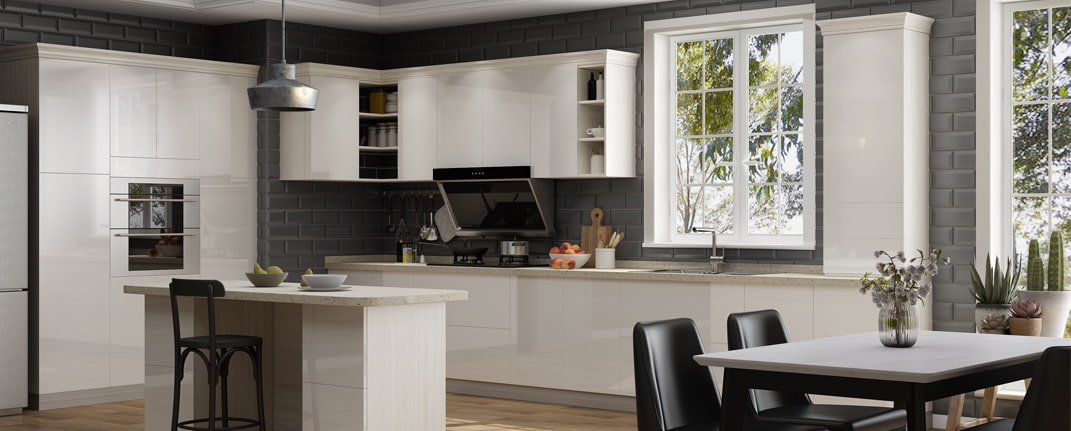
Compared to raw wood or some painted substrates, thermofoil-clad panels resist humidity-driven swelling better when properly edge-banded and sealed. That thermal barrier behaves predictably in kitchens and bathrooms that experience daily temperature shifts — an important factor if you’re optimizing for lifespan and maintenance cycles across an entire house.
Benefit 3 — Cost-efficiency at production scale
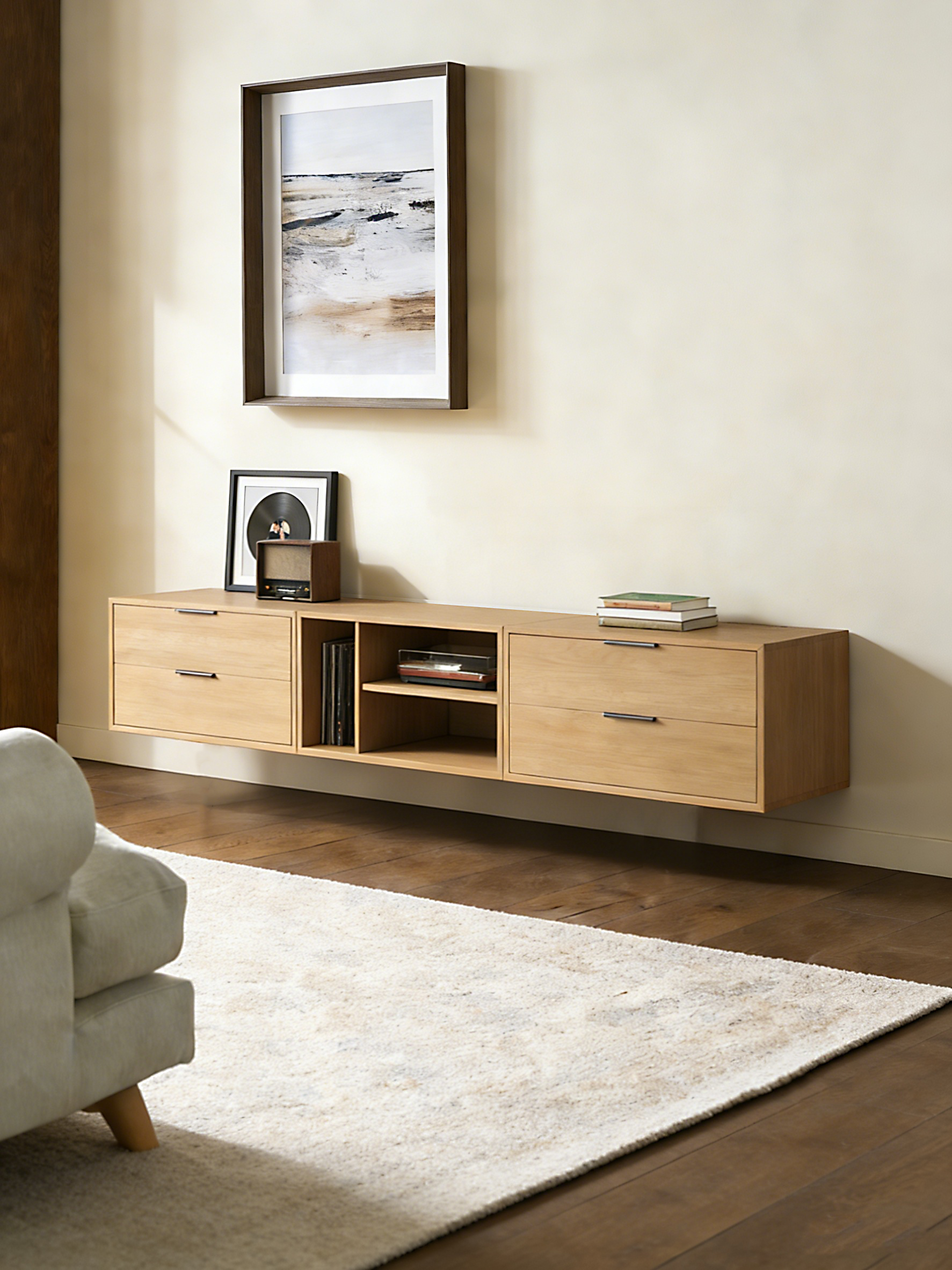
Thermofoil assembly lines streamline material handling: fixed tooling, rapid vacuum forming, and efficient edge banding lower per-unit labor. That matters if you’re outfitting multiple rooms. Economies of scale also make durable profiles more affordable than continuous hand-finishing, without sacrificing consistent quality on doors, drawer fronts and ancillary pieces like TV consoles.
Benefit 4 — Cleaner lifecycle and easier recycling streams
From a sustainable-engineering standpoint, thermofoil cabinetry paired with engineered substrates simplifies end-of-life separation compared with mixed-material, painted assemblies. When designers specify recyclable substrates and limit solvent-based coatings, embodied carbon calculations become cleaner — and replacement strategies can favor modular swaps rather than full demolitions.
Benefit 5 — Faster customization with fewer surprises
Thermoforming tolerates a range of profiles and edge geometries while keeping cost predictable. Specifying routed access for hardware or integrated cable channels in TV furniture is feasible without long paint lead times. If matching living and media rooms is part of the scope, a coordinated approach with the same supplier often beats juggling multiple trades — this is why many clients pair cabinet orders with a reliable tv stand manufacturers arrangement for consistent aesthetics.
Production teardown: what to check in the factory flow
Site-proof items to confirm: substrate type (MDF/particleboard grade), adhesive curing profile, edge banding method, and final UV coating parameters. Ask for cycle times on thermoforming, records of CNC routing tolerances, and evidence of environmental controls in the pressing and cooling stages. These operational markers separate repeatable suppliers from ones that rely on manual fixes — and they directly impact lead time, waste rates and warranty claims.
Common mistakes and quick course-corrections
Teams often pick the lowest bid without vetting tooling capabilities or moisture-control procedures — that leads to gap corrections and inconsistent joints. Fix this by requiring a pilot production run and by specifying tight CNC tolerance bands for doors and drawer fronts. Also, do not assume all thermofoil finishes are identical; verify finish palettes under site lighting and confirm edge-banding color matches the skin precisely — a small test goes a long way.
Advisory close: three critical evaluation metrics
1) Fabrication consistency: require documented CNC tolerance and batch test results to prove repeatability. 2) Moisture performance: request edge-banding and substrate humidity test parameters; verify advertised resilience with a short-term acclimatization trial on-site. 3) Lifecycle clarity: compare repair pathways and recyclable-content disclosures to estimate replacement costs over 10–15 years. These metrics convert subjective claims into measurable procurement criteria.
Choosing a supplier who meets those metrics keeps installation schedules tight and predictable — and that operational reliability is precisely where SNIMAY adds value as a manufacturing partner: SNIMAY. —