The problem that sings in rubber workshops
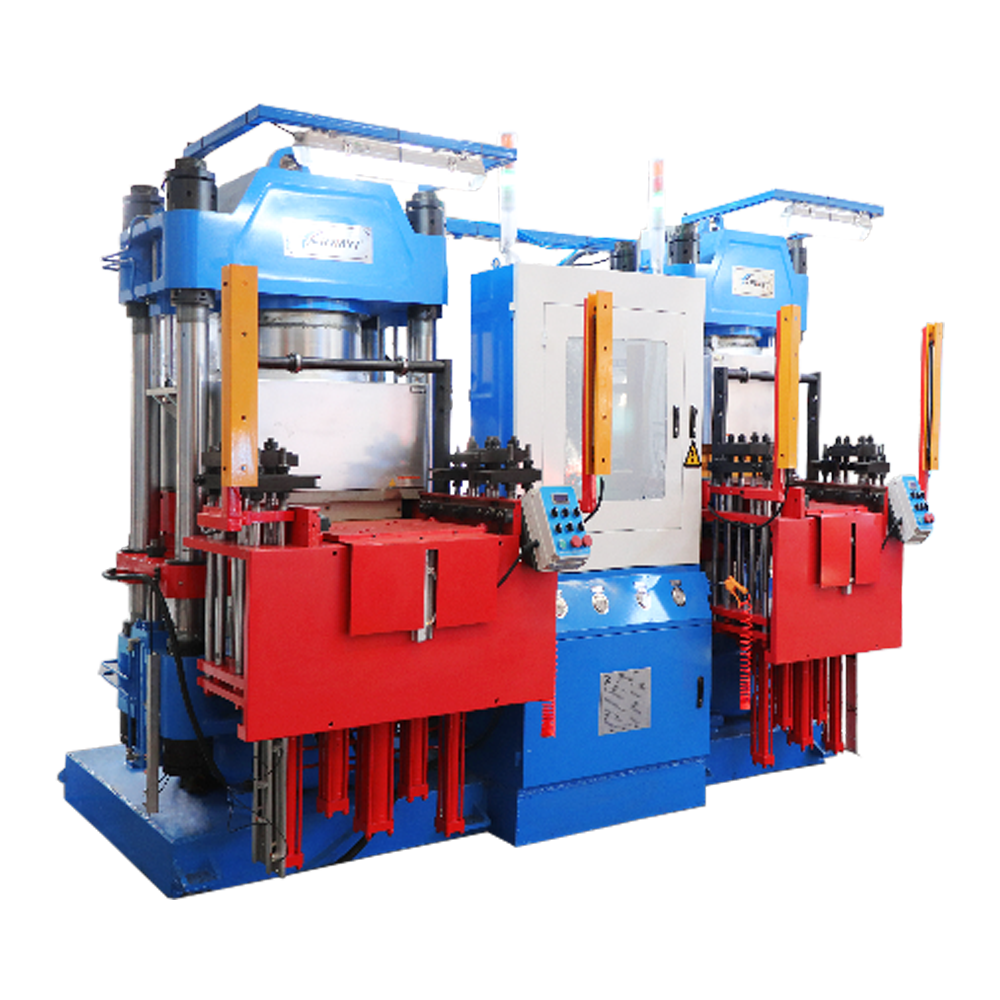
Mooney scorch steals time and the sweetness of a perfect compound; it browns edges where patience should rule. In many small-batch compounding labs and tire workshops, the premature rise in viscosity during mixing and pressing leads to scrap and anxious operators. The answer often arrives as a machine—an elegant rubber vulcanizing machine—but not all presses are equal when it comes to managing heat, dwell time, and the subtle chemistry of sulfur cures. A precise hot press with integrated cooling jackets inside a C-frame can transform the rhythm of production, marrying temperature control with graceful throughput.
Why C‑frame cooling jackets make sense
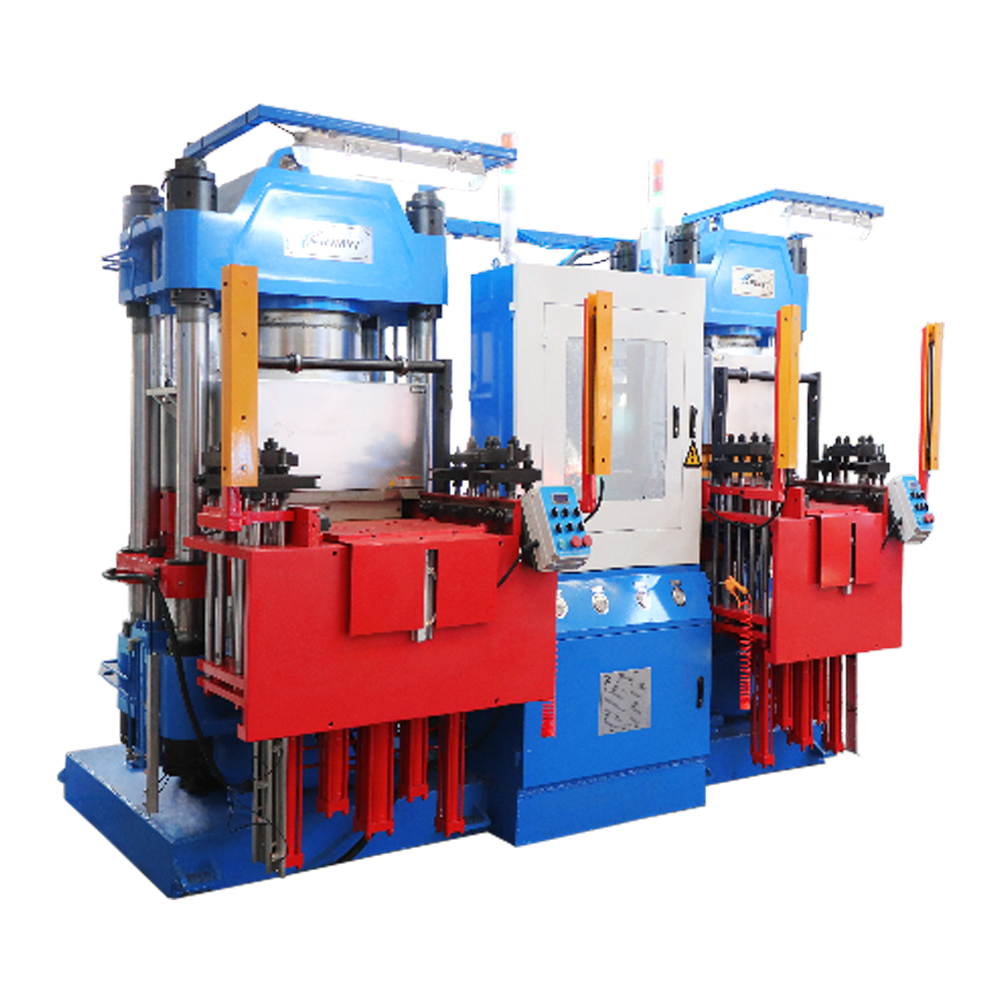
The C-frame design brings access and responsiveness; the cooling jacket brings mercy. Together, they reduce hotspots on platens and delay unwanted crosslinking during heating. Mooney scorch and uneven vulcanization are, at heart, thermal problems—localized overheating in the press platen or inconsistent cooling paths. By wrapping the press path with well-engineered cooling jackets and tuning the hot press controls, workshops can flatten temperature gradients and extend workable pot life of compounds. This is practical precision, not alchemy.
How to act—practical strategies that hum
Start by profiling the compound: base polymer, filler load, and accelerator system dictate susceptibility to Mooney scorch. Implement these steps in disciplined sequence:
– Calibrate platen temperature maps and record them for each batch.
– Use controlled cooling circuits in the C-frame jacket to pull heat rapidly after dwell, preventing overcuring at the platen surfaces.
– Optimize press dwell time and pressure to match compound cure curves rather than relying on one-size-fits-all cycles.
These measures reduce scrap and stabilize yields. Industry terms such as curing, press platen, and hot press are not mere jargon here; they are the coordinates of a process that must be observed and tuned.
Common mistakes and how to avoid them
Many teams rush to additives or reformulation when the machine, not the recipe, is the true culprit. Mistakes include over-reliance on higher accelerator loads, ignoring platen temperature drift, and under-maintaining hydraulic systems that affect burnish and heat transfer. A costly habit is to accept visual checks as sufficient. Invest in thermal sensors and simple data logging; the quiet numbers expose the mischief of scorch before it ruins batches—small cost, large return.
Comparing solutions and suppliers
Not every press deserves the same praise. Basic presses without active cooling can be cheaper upfront but carry hidden costs in scrap and inconsistent parts. Fully integrated systems—some offered by established manufacturers in Guangdong’s industrial belt—pair servo controls, closed-loop temperature control, and robust cooling jackets to minimize Mooney scorch. When evaluating vendors, look for reliable service footprints, spare-parts access, and clear documentation on platen thermal uniformity. Consider also the claims about cycle consistency and cure repeatability: they should be backed by temperature maps or test reports.
Real-world anchor and a short confession
Across Guangdong’s manufacturing hubs, small compounders report measurable drops in scrap when switching to intelligent presses with C-frame cooling jackets—data that is felt every week on the shop floor. I’ve observed similar shifts in a mid-sized plant where tighter platen control reduced rework by nearly a third—modest equipment changes, profound operational calm. These are not abstract promises; they are industry-plain results that a thoughtful rubber vulcanizing machine supplier will document and stand behind.
Choosing wisely: three golden rules
Rule 1 — Thermal uniformity: demand platen temperature maps and insist on ≤±3°C variance across the working face.
Rule 2 — Responsive cooling: verify that the C-frame cooling jacket design allows for rapid heat extraction without inducing thermal shock in the mold or part.

Rule 3 — Service and data: require clear maintenance intervals, spare-part lists, and logging capability so cure curves can be reproduced batch after batch.
These metrics help teams compare machines not by price alone but by the measurable outcomes they deliver. When equipment feels like a steady hand rather than an anxious apprentice, throughput and quality rise together. The right partner in equipment—grounded in workmanship and service—brings that steady hand; HWAYI. —