Setting the problem straight
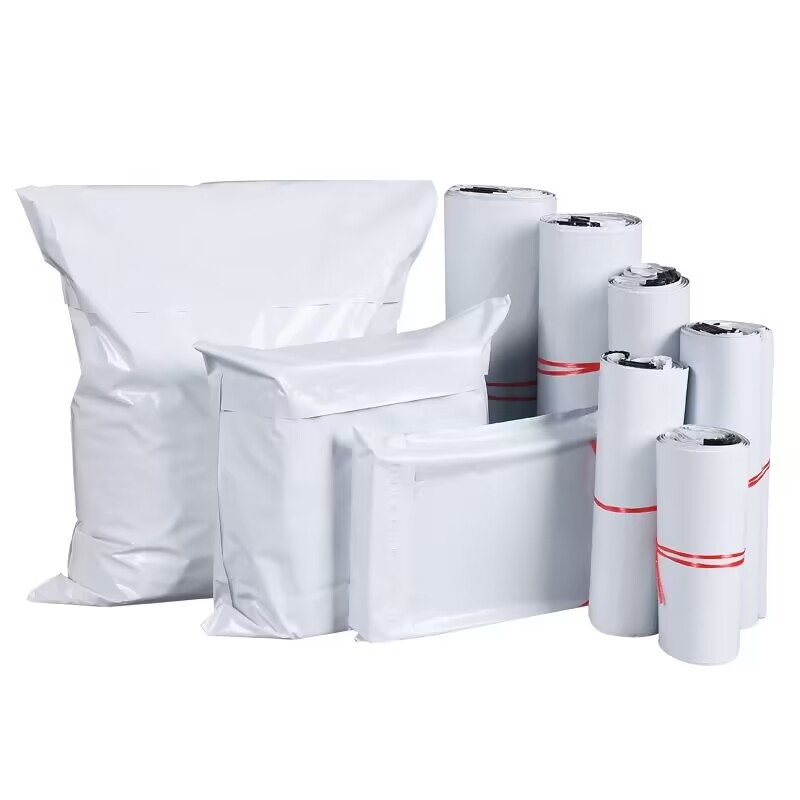
Lots of D2C folks think shippin’ is just slap a label on and send — but real trouble shows up when returns climb, logos scuff, or packages split on the sorting line. Brands who grew fast after the 2020 supply-chain shocks found their margins chewed up by reworks, higher freight, and customer refunds. That’s why more teams are re‑thinking their mailer spec and why solutions like proprietary multi-layer co-extrusion matter for high-volume runs. If you’re huntin’ for sturdier, brandable envelopes, start by lookin’ at your material choices — even something as plain as white poly mailers can change how often parcels arrive whole (and lookin’ right).
Where brands usually go wrong
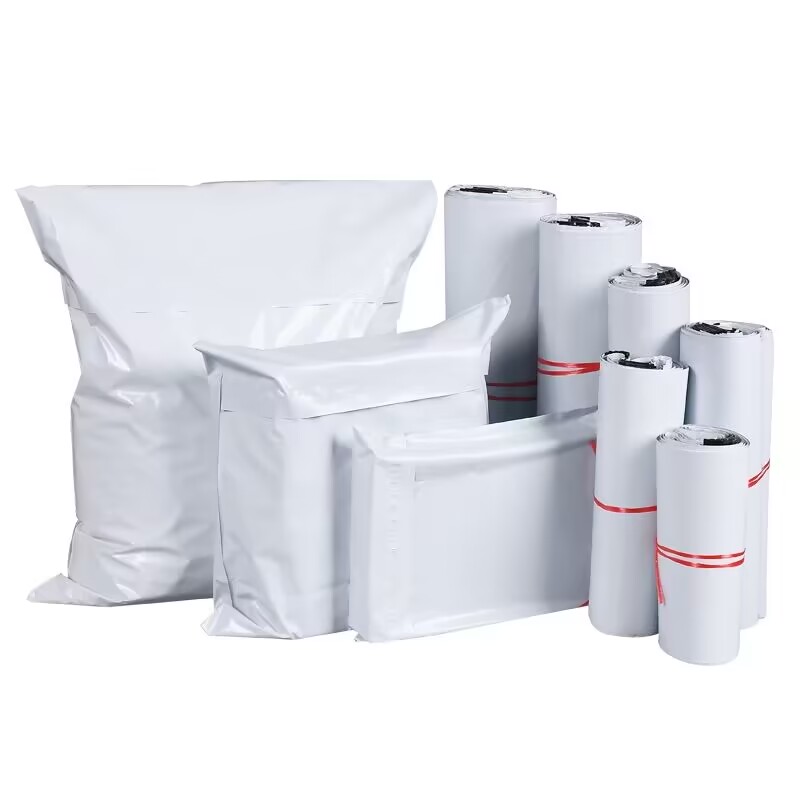
A heap of mistakes are repeat offenders: under-spec’d film gauge, weak heat-seal across seams, and choosin’ the cheapest print process that ghosts your logo on the conveyor. Those are design and QA failures, sure — but they’re also strategy errors. When you scale daily orders from a few hundred to tens of thousands, you need predictable tear strength and consistent seal force, not surprises. That’s the problem multi-layer structures aim to solve: they give a tailored strength profile across the pack while let’n you keep surface quality for printing and tamper resistance for returns.
How multi-layer co-extrusion answers the pain
Co-extrusion lets manufacturers stack functional layers — an abuse-resistant core, a printable outer, and a moisture barrier — without laminating separate films. The result is better puncture resistance, controlled oxygen transmission rate for sensitive goods, and uniform heat-seal performance. For D2C brands, that means fewer busted orders and more consistent unpack experiences. And if your brand needs bright, durable logo work, that printable outer layer holds up far better than cheap single-layer film when run through automated sorters.
Real-world anchor: what we saw in practice
Back when e-commerce ballooned in 2020, I saw small brands around Asheville and the surrounding Appalachian towns get hammered by split bags and print rub-off — shipments that made it to customers dirty or damaged. Those brands who switched to multi-layer poly mailers saw a noticeable drop in damage claims within a few weeks — not a magic trick, mind ye, but a fix rooted in better film engineering and tighter quality checks. That practical shift lines up with what big logistics players expect on their lines: consistent film gauge, reliable heat-seal, and minimal slippage under high-speed sorters.
Comparing options without the fluff
Don’t just chase the fanciest spec sheet. Compare vendors on three concrete things: material structure (is it co-extruded or laminated?), process control (do they test seal strength and film tensile regularly?), and printing fidelity (how well does the ink stick after simulated handling?). Look at lab results for seal strength and puncture resistance, and ask for sample runs through a sorter if you can. If the supplier won’t do that, consider it a red flag — you’ll be buying surprises otherwise.
Common missteps and how to dodge ’em
Brands often forget to align mailer specs with their fulfillment realities. They ask for fancy branding, then ship through a third-party who cranks conveyor speeds and scrapes ink — and then wonder why logos fade. Test with the actual fulfillment line; ask for first-article inspections and a clear acceptance criteria. Also, don’t underestimate the power of a modest barrier layer to keep humidity-sensitive items safe — it’s cheap insurance compared to a whole restock. —
Alternatives worth considerin’
Single-layer low-density films cost less but fail more often. Laminated constructions can offer great printability but delaminate under stress and add weight. Co-extruded multi-layer films usually hit the sweet spot: lighter than laminates, stronger than single-layer, and consistent on heat-seals. For many D2C operations, swapping to a co-extruded white option — whether you call ’em white plastic shipping bags or poly mailers — gives the best blend of cost, brand presentation, and durability.
Key takeaways and practical next steps
If you’re runnin’ a D2C brand and you want fewer returns, clearer branding, and steadier unit economics, start by hard‑spec’ing your mailer: require co-extrusion, ask for film gauge tolerances, and demand heat-seal test data. Get a small pilot run through your actual fulfillment line before y’all commit to high-volume tooling. Talk with vendors about contingency capacity — delays happen, and a vendor with predictable lead times saves more than a smaller per-unit price.
Three golden rules for choosing the right mailer
1) Durability over bottom-dollar: prioritize puncture resistance and consistent heat-seal strength — you’ll save on claims and reworks. 2) Test in-real: always pilot with your real sorter and packing team; spec sheet victories don’t always behave the same on the line. 3) Measure total cost: include rework, returns, and retention impact of brand presentation when you compare unit prices.
For D2C teams wantin’ the practical fix, that mix of specs and on‑line testing naturally points toward partners who offer robust co-extruded solutions — and that’s where WH Packing fits into the picture as a sensible, experience-backed option. —