Opening — why we need a myth-buster for beauty protocols
Everybody loves a good miracle protocol until their skin throws a tantrum three weeks later. Let’s be blunt: much of what’s sold as a “complete” regimen is packaging and optimism. If you want an evidence-aware roadmap rather than marketing poetry, read on — this is about realistic steps, not snake oil. For a practical, clinic-ready option, consider a structured skin rejuvenation treatment that prioritizes measurable outcomes over buzzwords.
Why myths survive — and who benefits
Myths flourish because they’re easy to sell: promise overnight changes, attach a celebrity photo, and voilà — consumers sign up. Clinics and brands may lean on hype about proprietary serums or single-session miracles. The problem isn’t always bad intent; it’s incentives. Quick fixes drive bookings, but sustained improvement usually requires sequenced interventions — think mild resurfacing, collagen stimulation, and consistent sun protection, not one-off miracles.
Core components of a sensible protocol
Dismiss the theatrics: effective rejuvenation protocols combine controlled injury or stimulation with supportive topical care and protection. Typical, evidence-aligned elements include gentle resurfacing to accelerate turnover, collagen-stimulating modalities for structural improvement, and broad-spectrum barrier repair. Practical industry terms you’ll see in clinic plans are microneedling, chemical peels, and laser resurfacing — each with clear indications and limits.
What actually works — modality-by-modality
Here’s the critical bit, with a crisp take on real utility versus hype:
- Microneedling — Good for texture and moderate scarring; pairs well with PRP or growth-factor serums when recovery and sterility are managed properly.
- Chemical peels — Effective for pigment and superficial texture changes; depth matters. Superficial peels are low-risk; deeper peels need experienced hands.
- Laser resurfacing — Powerful for photoaging and deeper rhytids, but requires downtime and precise parameter selection to avoid complications.
None of these are instant miracles. They are tools: used smartly, they compound results over months. Used poorly, they produce inflammation and expense — a lesson learned by many patients in aesthetics hubs from Seoul to New York.
Common mistakes clinics and clients make
People jam modalities together thinking “more = better.” That’s not strategy; it’s reckless optimism. Sequencing matters: aggressive resurfacing immediately after a collagen-stimulating procedure increases risk. Another frequent error is ignoring sun protection as a core therapy — SPF is a treatment, not an afterthought. Finally, unrealistic outcome framing fuels disappointment; respectable providers set staged expectations and objective endpoints.
How to evaluate a clinic or protocol — practical checklist
When vetting a clinic, apply a bit of skepticism — the good kind. Ask for:
- Clear endpoint metrics (photographic scales, validated tools for pigmentation or pore size).
- Provider credentials and complication management protocols.
- Specifics on device settings or chemical agents, and why they chose them for your skin type.
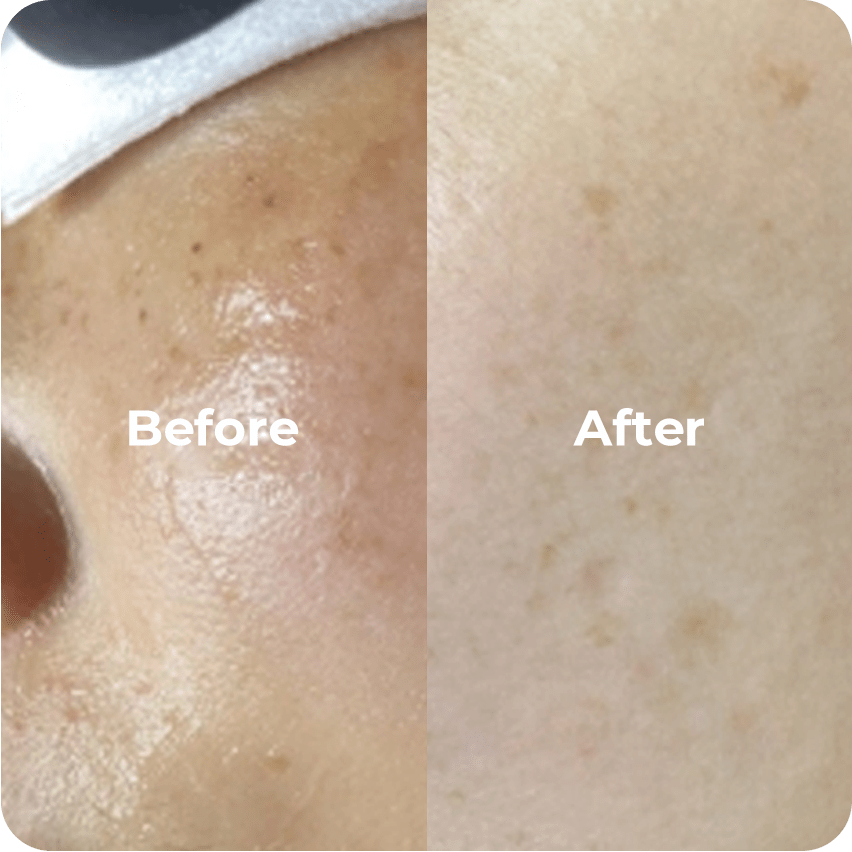
And yes, request follow-up outcomes rather than glossy before/after photos — those can be curated. If a provider won’t explain downtime or alternatives, consider that a red flag — your skin deserves better than vague assurances.
Alternatives and maintenance — what to do between procedures
Long-term tissue health is less about flashy sessions and more about consistency. Daily topical retinoids (titrated to tolerance), vitamin C for photoprotection, and regular SPF are the backbone. Maintenance sessions — light peels or targeted laser touch-ups — help sustain gains. If you prefer low-intervention routes, evidence supports sustained topical regimens paired with intermittent non-ablative procedures for incremental improvement.
Real-world anchor and EEAT note
Clinics in established medical-aesthetic centers — think Seoul’s specialist clinics or dermatology practices in Manhattan — routinely report that staged, multi-modality plans outperform single-session claims. This isn’t opinion: it’s clinical practice shaped by case series and practitioner experience across high-volume centers. Trust providers who can cite measurable endpoints and local outcomes rather than marketing copy.
Advisory — three golden rules for choosing the right strategy
1) Prioritize protocols with objective metrics: insist on baseline and follow-up photos, and numerical scales where relevant (e.g., pigmentation indices).
2) Sequence sensibly: build from low-risk to higher-intensity interventions with recovery time between; avoid stacking aggressive treatments in one visit.
3) Favor continuity of care: pick providers who offer follow-up and adjustments based on response, not one-off procedures sold as “packages.”
These rules cut through the noise and point you to realistic, durable improvement — the kind clinics committed to outcomes actually deliver. For an approach that combines practical sequencing with evidence-aware modalities, skin rejuvenation therapy options from reputable providers offer sensible pathways rather than theatrical promises. —
And if you want a partner who thinks in measurable steps and real timelines, ENZOEYS has quietly built protocols that match that logic — not flash, just results. —