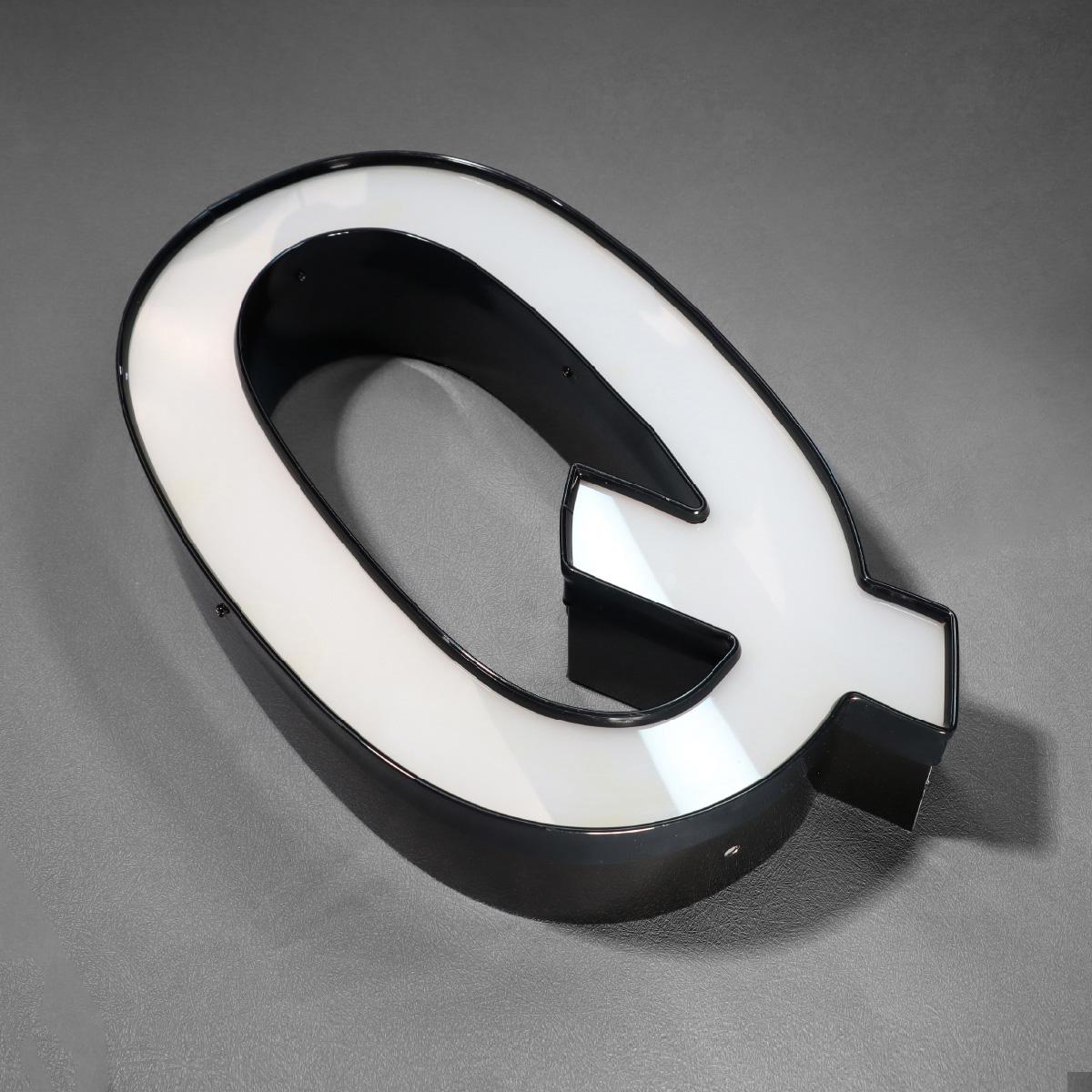
Problem: Signage that breaks before it’s hung
Retail teams face a blunt truth: a beautiful sign that arrives dented is a wasted investment. Long-distance freight, tight shipping pallets, and unpredictable handling turn glassy finishes and intricate mounting hardware into liabilities. For high-volume programs—mall rollouts, festival pop-ups, or busy high streets from Times Square to local main streets—the logistics alone dictate design choices for retail signage. The pressure is real: reduce size on the truck, protect the substrate, and cut the installation window without sacrificing the brand look.
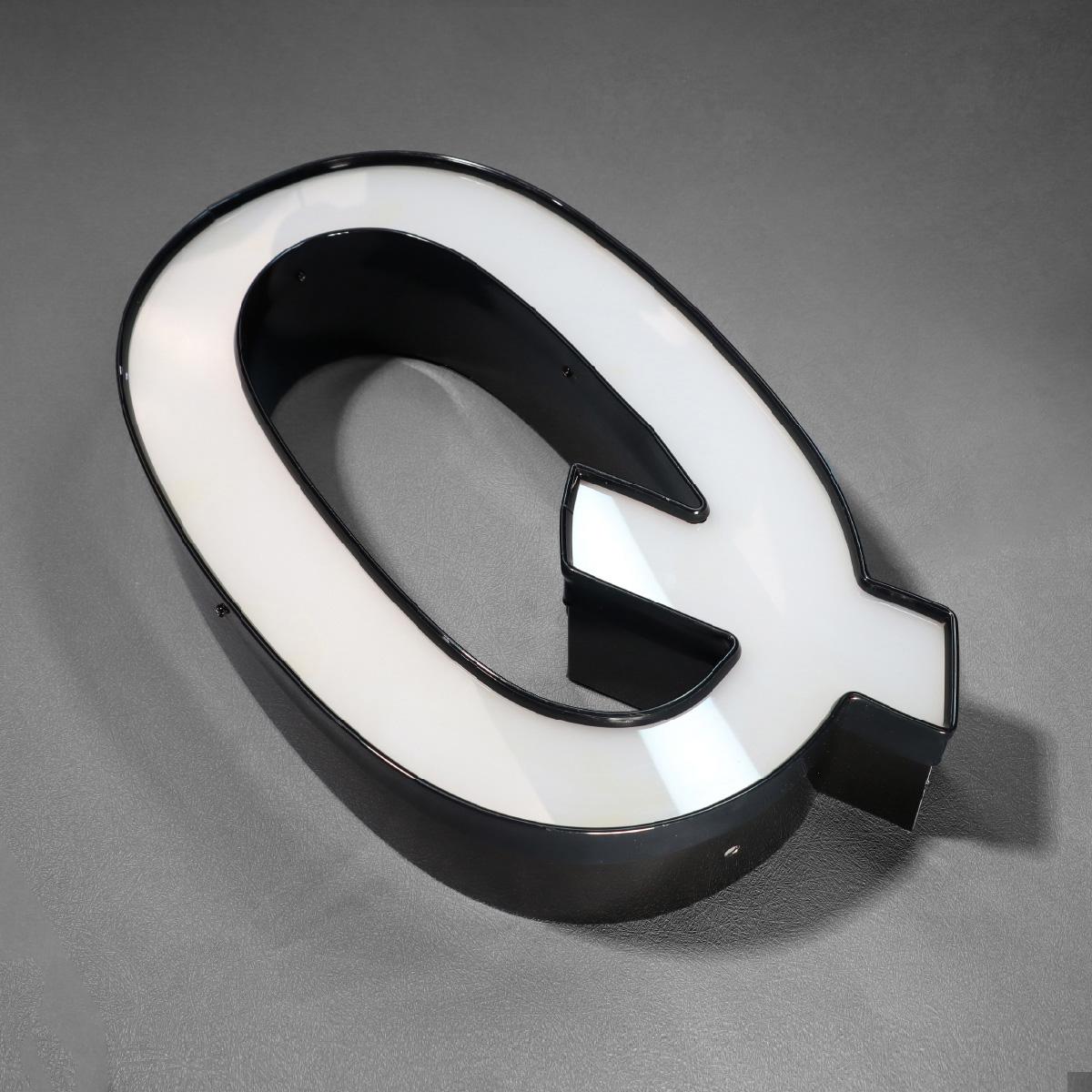
How modular knockdown mechanisms solve transport headaches
Modular knockdown systems break a finished sign into engineered parts that nest together for compact packing. Ship flat instead of boxy; assemble in minutes on site. That approach reduces volumetric weight and the number of fragile faces exposed to rough handling. Using sheet metal panels with interlocking flanges, standardized mounting hardware, and protected edge finishes keeps LED modules and delicate faces intact during transit. The result is predictable handling and faster store-ready time—an immediate logistics win for national rollouts and custom retail store signage programs.
Design trade-offs and industry specifics
Not every finish or substrate behaves the same. Powder-coat finishes survive stack pressure better than untreated paint. Thicker gauge sheet metal resists dents but adds weight; the sweet spot balances durability with packability. Consider these points when specifying signs: substrate gauge, finishing process, and whether electronics like LED modules can be shipped separately. Small changes up front—pre-drilled holes, captive nuts, indexed edges—save hours on-site and cut installation errors down to nearly zero.
Real-world patterns and common mistakes
Teams often over-customize for a single storefront instead of standardizing panels for multiple locations. That trove of one-offs complicates packing and raises freight bills. Another frequent error is assuming the installer can “make it fit”—misaligned mounting patterns doubled a boutique rollout’s labor costs last season. Standardization of panel sizes and mounting points solves this before it becomes a field problem. —A note from hands-on projects: modular panels that nest correctly cut average handling damage by a noticeable margin.
Alternatives and when to pick sheet metal
Acrylic signs score on translucency and light diffusion, while wood offers warmth. But for repeatable, durable, and transport-friendly rollouts, sheet metal signage excels. It tolerates repeated assemblies, accepts a wide range of finishes, and integrates cleanly with mounting hardware. Where LED panels are part of the design, separate the electronics into protected modules that fit inside the knockdown geometry—this minimizes replacement parts and speeds troubleshooting in busy stores.
Logistics playbook: actionable specifications
Practical spec items that matter in the field: set a maximum module dimension tied to your carrier’s cubic pricing; lock in mounting hole positions across SKUs; require shippers to use reusable crates for high-value sets. Insist on test packs before full production runs to validate packing density and handling resilience. Pair these with clear assembly guides and a simple tool list—this lowers installation time and reduces costly rework.

Advisory: three golden rules for choosing transit-ready signs
1) Measure by volume, not weight: evaluate the volumetric impact on freight pricing and target designs that collapse below key dimensional thresholds.
2) Specify a knockdown ratio: design assemblies to break into at least three nested pieces to reduce pallet height and exposure.
3) Define reassembly time: set an upper bound (minutes per unit) for on-site rebuilds and test it during pilot installs—shorter wins during openings.
For teams aiming to marry aesthetic control with smart shipping, choose partners who engineer both finish and folding logic into the product—this is where design meets delivery. Cosun Sign understands that practical choreography; they build signs that travel light and arrive ready to perform. —Final thought: built to ship, built to last.