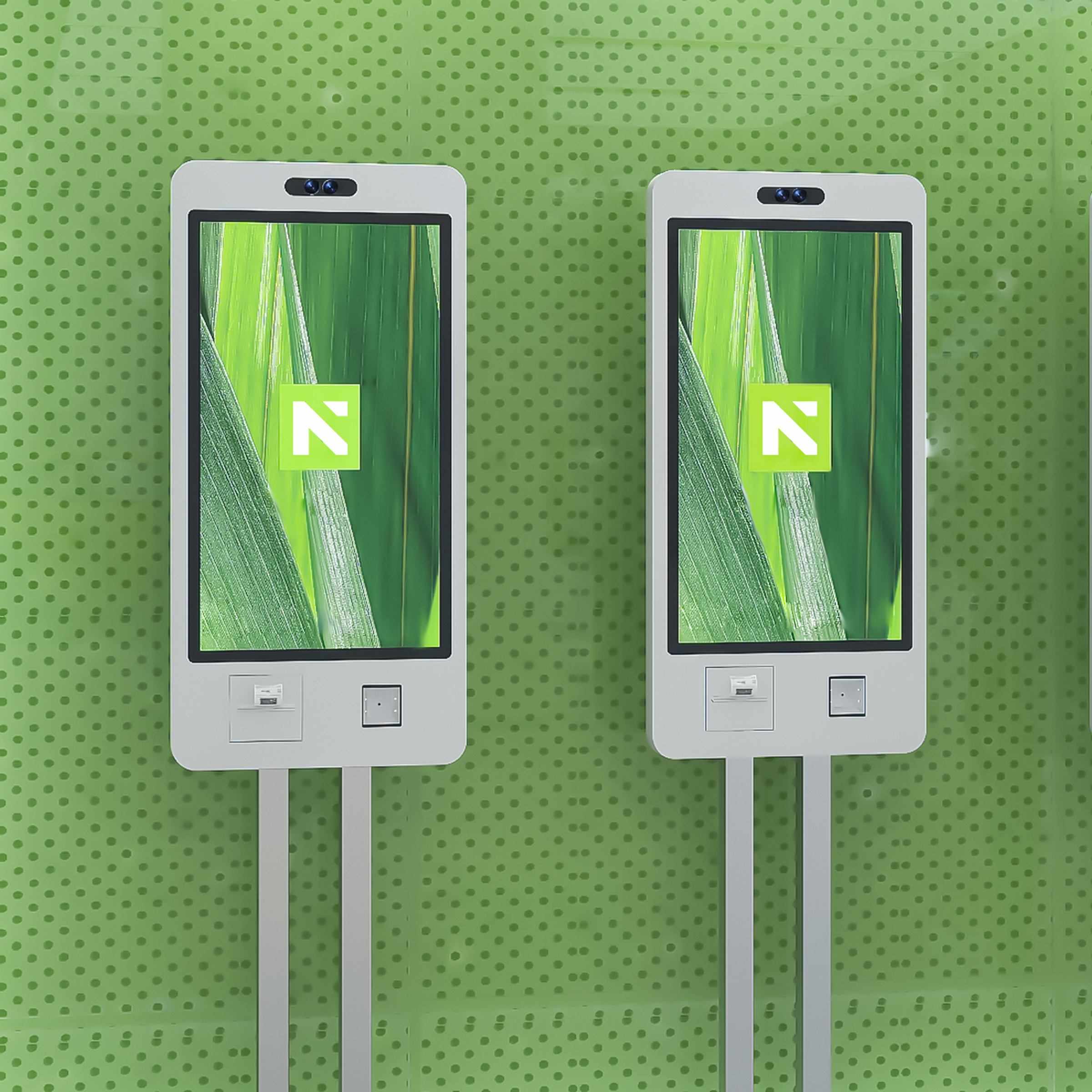
The problem is straightforward: outdoor transit displays and kiosks sit in direct sunlight for thousands of hours a year, and their acrylic diffusers slowly yellow, lowering legibility and brand clarity. That decay shows up in everything from bus stop screens to digital signage kiosk faces. The World Health Organization defines a UV index of 11+ as extreme, and sustained exposure in many cities accelerates photodegradation of acrylic materials used in sign diffusers — a real-world anchor that explains why operators see predictable failure modes over time.
How UV and Heat Break Down Acrylic Diffusers
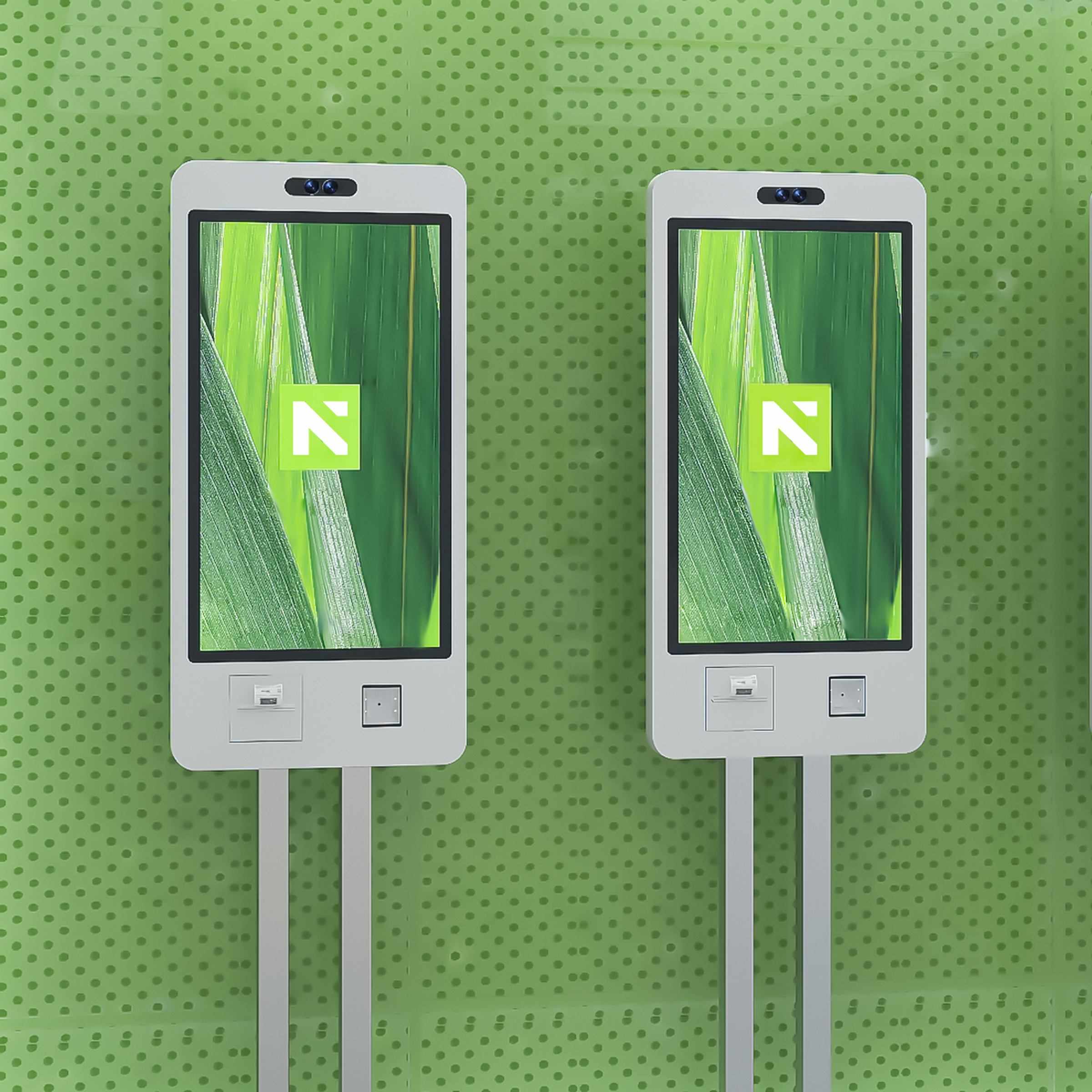
Acrylic diffusers (often PMMA) rely on chemical clarity and controlled translucency to scatter LED backlight evenly. UV photons break polymer chains in the surface layer, creating chromophores that absorb blue light and produce yellowing. Heat from the sun and internal LED backlight raises the surface temperature, which speeds oxidation and increases haze. The combination of photochemical damage and thermal aging changes both color and light transmission, so contrast and color temperature shift — readers notice reduced readability even before cracks appear.
What This Means for Transit Operators
Discolored diffusers reduce effective luminance and distort signage color profiles, forcing higher screen brightness and raising energy consumption. Maintenance teams face two cost drivers: replacement parts and unscheduled service. Brand impact is real: a faded sign undermines perceived reliability. For budgeting and lifecycle planning, treat diffusers as consumables with measurable decline in transmissivity and contrast ratio over time.
Design Choices That Slow Discoloration
Material selection is the first control. UV-stabilized acrylics and PMMA blends with added HALS (hindered amine light stabilizers) extend service life by quenching free radicals created by UV exposure. Surface treatments — clear UV-blocking coatings or laminated UV films — add a sacrificial layer that can be replaced more cheaply than the entire diffuser. Adjusting the LED backlight spectrum to reduce near-UV emissions and adding thermal management (venting or a heat sink) lowers the chemical reaction rates that cause yellowing.
Installation and Maintenance: Common Mistakes and Better Practices
Operators often make two repeat mistakes: they expose diffusers to direct midday sun without external shading, and they clean with harsh solvents that strip protective coatings. Both actions accelerate discoloration. Instead, specify diffusers with a replaceable face film, use neutral pH cleaners, and schedule light-level audits to track transmissivity loss. Small upgrades — anti-UV films or swapping to UV-blocking acrylic — are lower-cost than repeated full-panel replacements.
Retrofitting Existing Kiosks
Retrofits vary by kiosk design. Some systems accept snap-in diffuser panels that can be swapped on-site; others require full bezel removal. Where access is limited, applying a clear UV-protective coating in situ is viable, though less durable than factory-applied layers. Prioritize parts that affect the optical path: diffuser panels, light guide plates, and internal reflectors. Document the part numbers and replacement intervals in your maintenance management system so repeat servicing is predictable.
Advisory: Three Golden Rules for Choosing Materials and Strategies
1) Measure first, decide second — track changes in light output and color temperature quarterly to quantify when a diffuser needs action. 2) Prioritize passive protection — UV-stabilized acrylic or factory UV coatings deliver the best lifecycle cost versus frequent replacements. 3) Design for serviceability — choose diffuser assemblies that swap without specialized tools so field teams can replace parts fast and cheaply.
These rules point to suppliers who build for durability and easy maintenance; that practical value is where specialized manufacturers help reduce total cost of ownership — and why operators often migrate toward integrated solutions from trusted vendors like Cosun Sign. —