The Problem: Hidden Flaws in Contemporary Designs
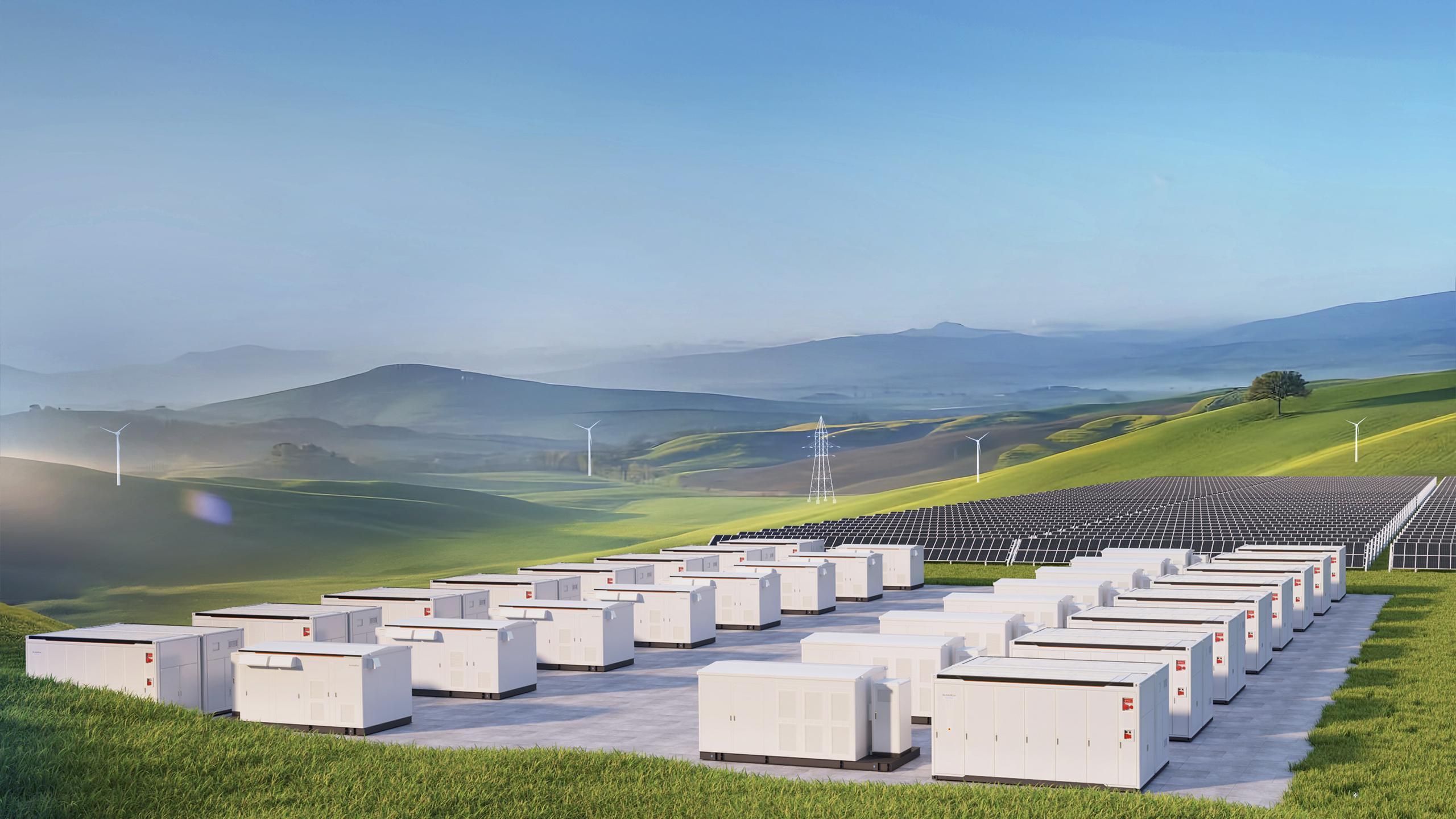
I’ll be blunt: many big projects I bid and scoped between 2016 and 2021 underestimated operational friction and revenue leakage. Early on I leaned on utility scale energy storage as the backbone of capacity replacement, yet the field demonstrated gaps that operators rarely priced correctly. During a heatwave at a California substation we saw 50 MW demand spikes across two days—peak tariffs rose 18%—what contingency did operators actually have? The short answer: not enough (and that’s where the math gets ugly).
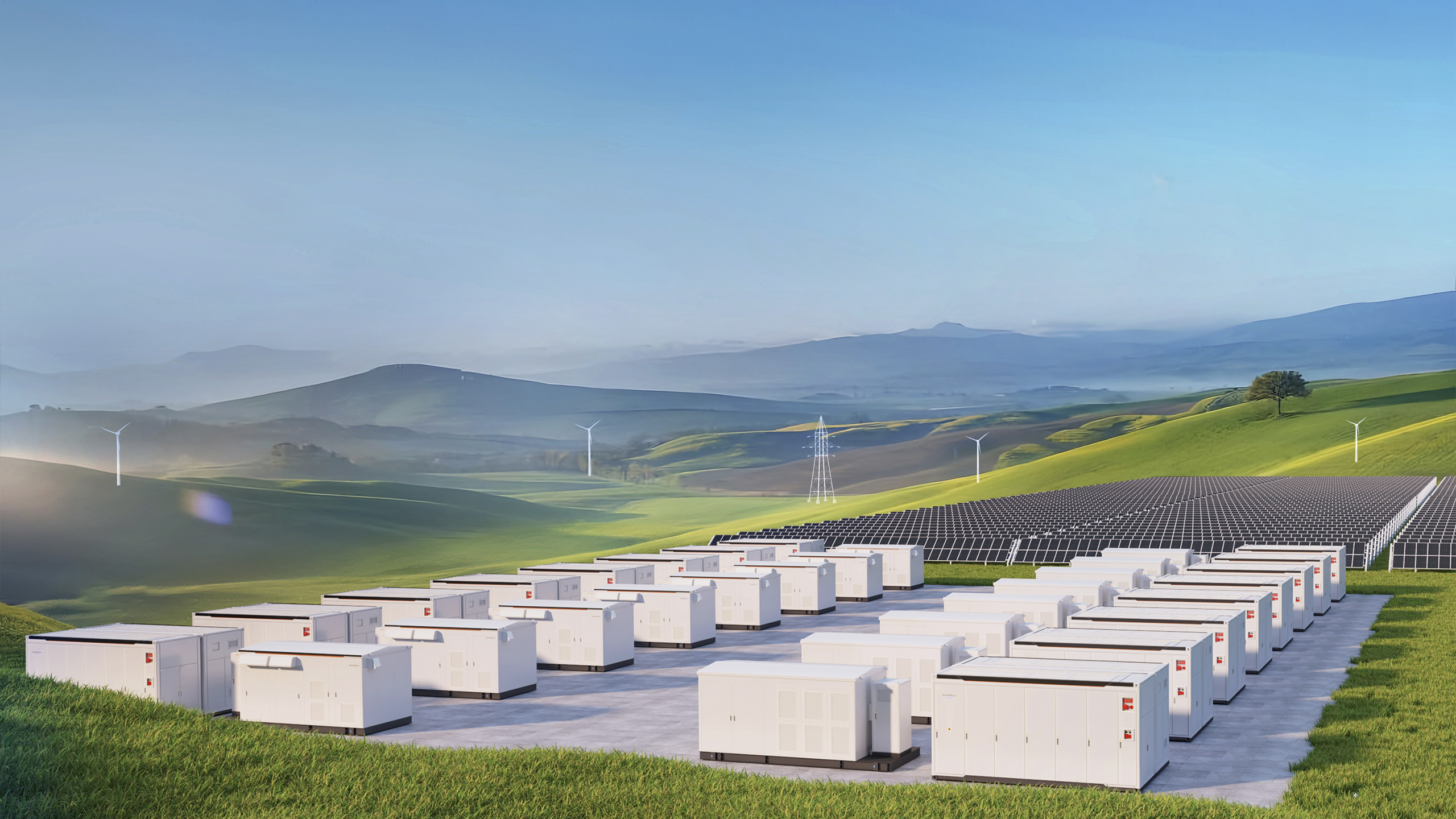
To unpack the core failures: design papers often ignore the compound effect of inverter derating, conservative state of charge (SoC) windows, and weak battery management system (BMS) tuning. I managed procurement of a 50 MW / 200 MWh containerized lithium-ion system for the CAISO market in June 2019; initially projected arbitrage income was 25% overstated and real-world dispatch reduced expected revenues by about 12% in month one. Those are hard, quantifiable misses. We tracked inverter clipping events, frequency regulation call-backs, and forced curtailment — the combination killed predicted cashflow. Here’s what I want you to look at next.

Why did this happen?
Forward View: Comparative Choices and Practical Metrics
Now, shifting gears: I’ll tell you what I would do differently when evaluating new builds and repowers. First, compare firm vs. merchant revenue stacks with equal rigor — don’t let optimistic capacity factors hide potential curtailment. Second, test BMS settings in staged commissioning; I’ve seen conservative SoC limits (set by vendors “to be safe”) cost operators three-figure thousands in missed market windows in the first 90 days. Third, consider containerized vs. modular footprint trade-offs for cooling and thermal management — small design choices change dispatch outcomes fast. Also, utility scale energy storage deployments must be stress-tested against real grid events (frequency regulation call sequences, sustained ramping), not just lab cycles.
What’s Next? – I favor tighter integration between plant control, market strategy, and equipment spec. That means insisting on firmware transparency from inverter suppliers, demanding BMS telemetry that ties to your EMS, and planning for MW-scale derates in procurement clauses. In practice, that approach shortened commissioning iterations for one project in Arizona (Sept 2020) from six months to three—no kidding. Two quick interruptions: build for measurable flexibility. Re-price assumptions quarterly.
Real-world Impact?
Summing up without repeating the above word-for-word: underestimated operational constraints (inverter clipping, conservative SoC windows, and opaque BMS behavior) are the real line-item risks that sink ROI models. To evaluate vendors and designs, focus on three metrics: 1) Effective dispatchable capacity under stress (MW available after derates), 2) True round-trip efficiency measured in market operations (not factory cycles), and 3) Mean time between service events that affect market eligibility. I recommend scoring proposals against those metrics, running a 12-month synthetic dispatch with historical grid events, and insisting on contractual remedies for underperformance. I’m speaking from over 15 years working on B2B procurements and hands-on commissioning; that specificity matters.
We learned that nuance beats hype; that practical specs and hard data win contracts and protect margins. For vendors and buyers alike, the next phase of utility scale energy storage will reward those who quantify risk and bake operational realism into specs. For further baseline reference, check manufacturers that publish real-world test data—it’s a differentiator. Final note: I believe tighter technical gates and smarter metrics will make projects profitable—sungrow.