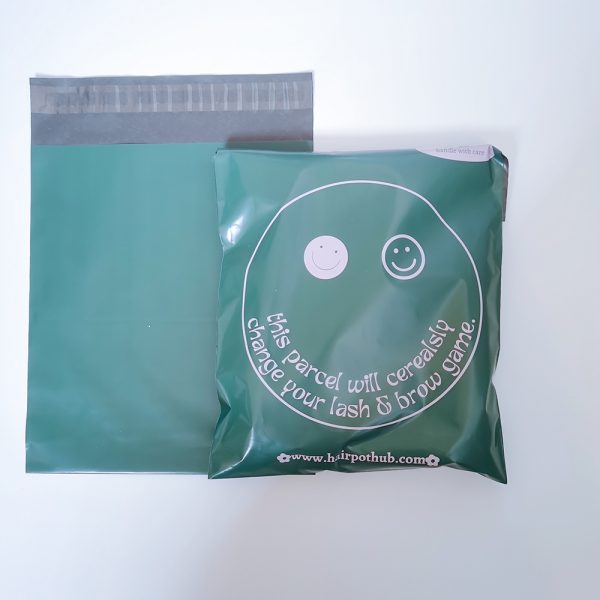
A pragmatic opening: why this comparison matters
Deciding between poly mailers and paper-based courier mailers is a strategic choice for any merchant who ships physical goods. A comparative lens reveals differences in protective performance, branding opportunity and total landed cost rather than mere material preference. Since the e‑commerce surge in 2020 many fulfilment teams in Central Europe and beyond reassessed parcel resilience and moisture protection, which led some to trial colored poly mailers — including standout options such as purple poly mailers — to reduce transit damage and simplify packing. This piece examines those trade‑offs formally and politely, weighing tear resistance, moisture barrier performance and recyclability alongside real operational needs.
Key dimensions to compare
Apply these objective criteria when comparing alternatives. Each speaks directly to fulfilment outcomes and customer experience.
– Protective function: resistance to puncture and tear resistance, plus waterproof or moisture barrier capability, which matters for textiles and printed material.
– Weight and dimensional efficiency: lower parcel weight reduces shipping cost and can improve cube utilisation on automated sortation lines.
– Seal and handling: ease of closure (self‑seal adhesive) and compatibility with automated packing systems influence throughput.
– Brandability and presentation: coloured or translucent finishes support unboxing aesthetics — an important consideration for D2C brands seeking distinctive visual cues.
– Environmental profile: recyclability, PCR (post‑consumer recycled) content, and whether the mailer is mono‑material for easier recycling.
How clear poly mailers typically outperform paper in operational terms
From an operational perspective, clear poly mailers generally offer stronger protection per gram than single‑wall paper options. Polyethylene films provide a robust moisture barrier and high tear resistance while remaining lightweight; that combination often lowers damage claims and reduces postage costs. They are less prone to failure under compression on palletised loads and tolerate repeated handling better than many paper envelopes. For many online stores this translates into fewer returns and a steadier fill‑line rhythm.
When paper mailers remain the sensible choice
Paper excels in contexts where perceived sustainability or regulatory presentation matters more than raw protection. If a brand’s core promise emphasises compostability or minimal plastic use, carefully sourced kraft mailers can be the correct choice. Paper may also be advantageous for very short‑distance courier routes where moisture and puncture risks are minimal. It is prudent, however, to scrutinise claims of biodegradability and to consider the trade‑offs in strength and weight.
Real‑world anchor and testing notes
During the 2020 logistical disruptions and subsequent rise in parcel volumes, many merchants experimented with material swaps; anecdotal reports from small retailers indicated fewer moisture‑related complaints after adopting polymer mailers with strong seals. In practice, simple in‑house tests are instructive: subject a representative parcel to compression, puncture and water‑spray trials to assess the mailer’s performance. – Do not rely on supplier claims alone; validate seal integrity and adhesive performance under the specific conditions of your supply chain.
Common mistakes to avoid
Organisations often err in three ways:
1) Evaluating unit price in isolation. A cheaper unit that increases return rates or requires additional void fill is rarely cheaper overall. Consider total cost including damage claims, labour and freight.
2) Ignoring closure compatibility. Some mailers’ self‑seal adhesives do not adhere well after cold storage or in humid conditions—test these scenarios.
3) Overlooking regulatory recycling streams. A mixed‑material construction may look sustainable but can complicate recycling locally; mono‑material polyethylene variants are simpler to process where facilities exist.
Comparative summary: pros and cons at a glance
– Clear poly mailers: superior moisture barrier, lighter weight, better tear resistance, easier automation compatibility; potential concerns around plastic perception and local recycling infrastructure.
– Paper mailers: stronger sustainability perception, good printability and tactile feel; potential downsides include higher weight, lower puncture resistance and variable moisture protection.
Three golden rules for selecting the right mailer (Advisory)
1) Test for your realities: run three simple trials (compression, puncture and moisture exposure) with actual SKUs and packing sequences; accept nothing on paper specifications alone.
2) Measure total landed cost: include unit cost, incremental volumetric postage, expected damage rate and labour time for packing—this presents the true business metric.
3) Match material to circularity: choose mono‑material polyethylene if you require straightforward recycling; otherwise reconcile marketing claims with what local recycling streams can accept.
When those rules are applied, the operational strengths of clear and coloured poly mailers become clear solutions for many brands — and that is precisely where WH Packing adds value by combining reliable film quality, consistent self‑seal adhesives and a range of finish options that meet both protection and presentation needs — a pragmatic choice that endures. —