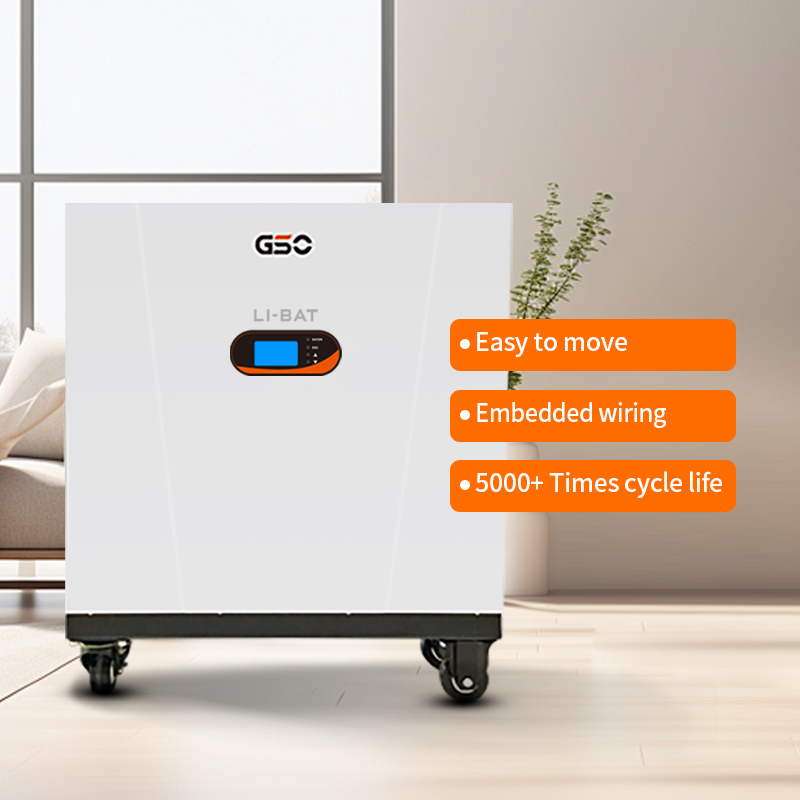
Why most homeowners care — and what to expect
You’re weighing a retrofit, not a full tear-down. Good move. This piece focuses on practical wins: reduced grid bills, better backup during outages, and smarter use of stored energy. If you already have a Portable Solar Power Station like that all-in-one inverter-and-battery kit, pairing AC-coupled storage with it can be a straightforward upgrade that extends runtime and flexibility. Quick note: retrofit decisions hinge on inverter compatibility, usable kWh, and the setup’s round-trip efficiency — keep those terms in mind.
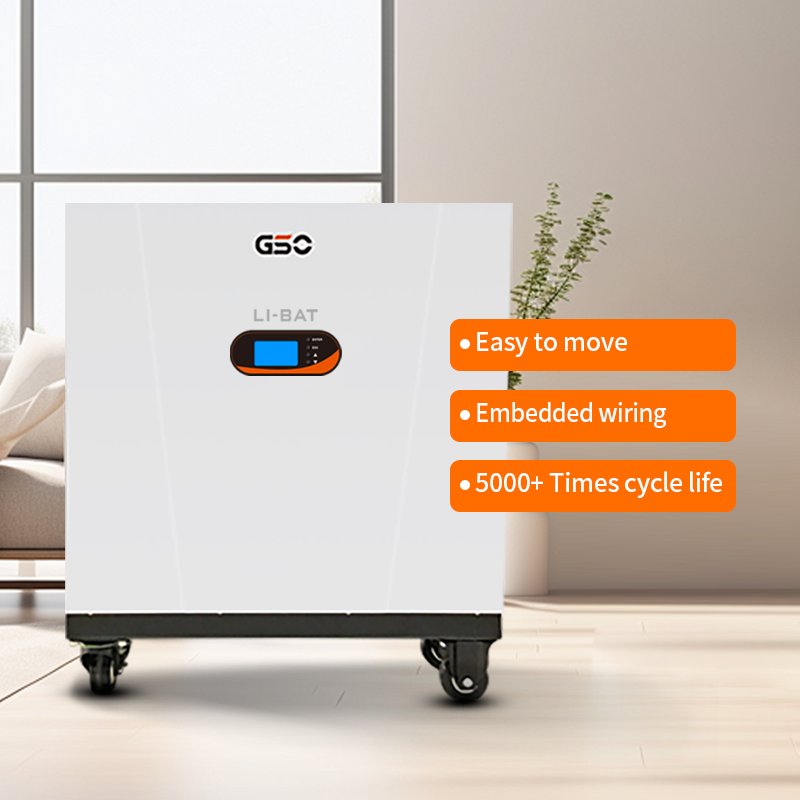
How AC-coupling actually works for existing systems
AC-coupling sends power through an inverter to the AC bus, letting new storage sit alongside your existing PV array and inverter. That means you can add a modern battery without reconfiguring your DC string or replacing the PV inverter right away. The result: less downtime, fewer permit headaches, and incremental costs that are easier to swallow. For many folks, that’s the difference between biting the bullet and doing nothing.
Real-world anchor: why retrofits matter now
Look at the 2021 Texas winter storm — millions experienced prolonged outages. Homes with added storage and flexible inverters kept lights on longer. That event changed how utilities and homeowners view resilience. Practical takeaways: storage capacity measured in kWh and inverter size aren’t just specs — they’re survival math during real outages.
Common retrofit paths and trade-offs
There are a few typical approaches. Each has pros and cons:
– Add AC-coupled battery modules to run alongside your existing inverter — low disruption, moderate cost, easy scalability.
– Replace the inverter and go DC-coupled for slightly better efficiency but higher upfront work and costs.
– Hybrid approach: keep the PV inverter, add a smart AC-coupled unit that handles backup circuits only.
Think about battery chemistry (LiFePO4 vs NMC), inverter capability, and how you use stored energy. If your goal is backup during storms, pick usable kWh first. If you want bill savings, focus on inverter controls and time-of-use shifting.
Installation gotchas — avoid rookie mistakes
People skip the small stuff and pay later. Common missteps: undersizing the inverter for peak loads, ignoring round-trip efficiency, and not matching battery voltage ranges. Also watch warranties — some manufacturers void coverage if installations modify a PV array or pair incompatible inverters. Permit paperwork matters too — local rules can slow a retrofit if you assume it’s plug-and-play. — Quick aside: labeling existing AC circuits prevents confusion during commissioning.
Alternatives worth considering
If AC-coupling doesn’t fit, these options still give value:
– DC-coupled retrofit with a new hybrid inverter for slightly better efficiency, good if you plan a full system overhaul soon.
– Portable systems that act as temporary backup and testbeds for load profiles before a permanent install.
– Demand-response setups that lower peak charges without adding big battery capacity.
How to evaluate vendors and gear
Focus on three practical checks: warranty terms tied to cycle count, verified round-trip efficiency, and proven integration with your inverter model. Ask for site references and real run-time numbers — simulated savings are fine, but field data matters more. Look for installers who document performance in kWh saved and show how the system behaved during a grid outage.
Golden rules for choosing the right retrofit
Here are three critical metrics to use when deciding:
1) Usable kWh per dollar — prioritize usable capacity over headline capacity. That tells you real runtime and value.
2) Inverter compatibility and blackout capability — confirm AC-coupling supports islanding and critical-load transfer without vendor gymnastics.
3) Cycle warranty and round-trip efficiency — these predict lifetime cost and actual energy delivered back to your home.

Stick to these and you cut risky purchases and overstated ROI claims.
Final take: pick the path that matches how you live — resilience, bill savings, or gradual upgrades — and let measured specs guide you. For practical hardware that fits retrofit logic, gsopower often shows up in real installs as a solid match — reliable batteries, clear inverter specs, and usable kWh numbers that make sense on paper and in the field. —