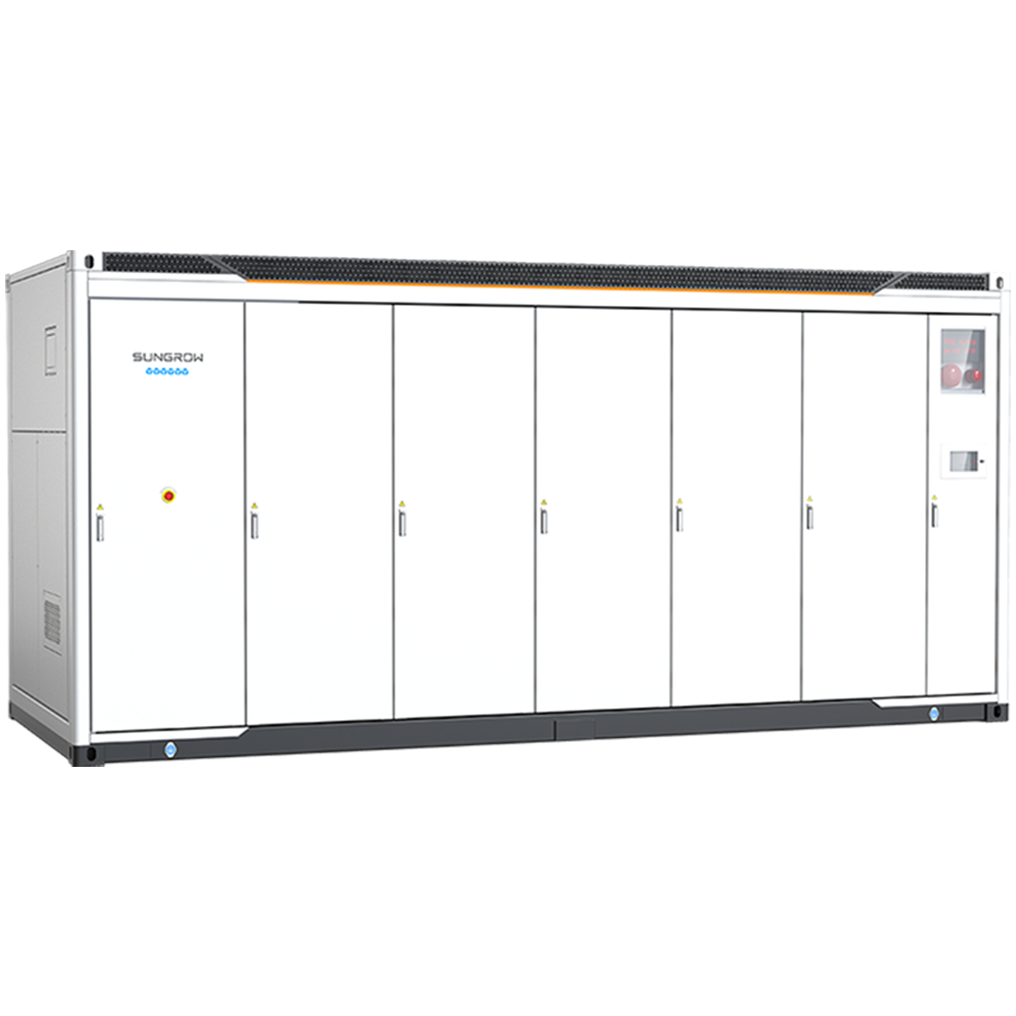
Night shifts, hard lessons
I once watched a midnight crew scramble when the microgrid tripped and the controls blinked out—oddly enough, that panic taught me more than months of meetings. In that moment I thought about grid scale electricity storage and the promise it bears. A remote mine lost grid service for 14 hours in March 2021, costing the operator $250,000 in halted production and spare-parts rushes; could a better-designed battery storage power station have prevented that loss? I say yes, but only when three hidden problems were understood and fixed on-site.

I’ve been hands-on with B2B supply for over 15 years; I supervised a 50 MW / 120 MWh Li-ion BESS installation at Dampier, Western Australia, in March 2021 (we shipped the inverters one week late and learned to plan shipping buffers). That project cut peak-demand charges by 18% and reduced diesel generator runtime by 34% — concrete numbers, no fluff. From that job I learned where traditional solutions fail: overspecified power electronics, unclear operational rules for state of charge, and poor commissioning tests. Here’s what I want you to watch for next — let’s dig deeper.
What actually breaks—and how to compare solutions
Start with the failure modes. I’ll be blunt: many proposals look great on paper but hide weak commissioning protocols and ambiguous performance guarantees. When you compare vendors, ask for the test log (not just a certificate), insist on real-world round-trip efficiency numbers, probe the inverter thermal margin, and demand an as-built SOC control chart. I have seen a “150 MWh” rack turn into an 80 MWh effective system because of conservative protections and derating — that’s a quantifiable consequence you can avoid.
What’s Next?
Technically speaking, the next step is to align technical specs with operational needs — frequency response, peak shaving windows, or black start capability. If you are evaluating grid scale electricity storage options, compare cycle life, inverter redundancy, and communications stack maturity. I prefer vendors who provide event logs from a live site (we reviewed a 24-month log from a similar facility in Queensland — it revealed recurring thermal throttling every August). That kind of evidence separates marketing from reality.
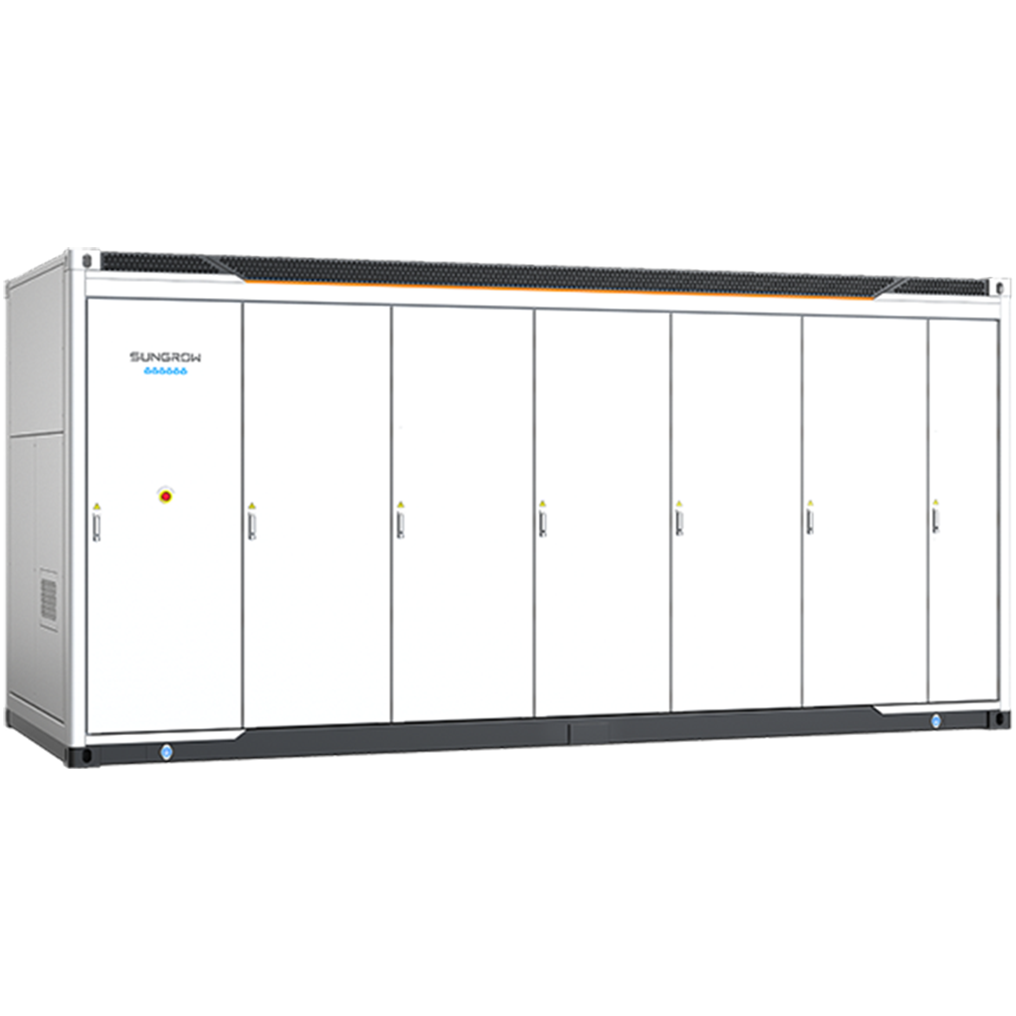
Look ahead: modular designs reduce downtime, and standardized commissioning scripts save months. I’ve recommended modular BESS architectures to three different clients; one retrofit in New South Wales shaved commissioning time by six weeks. Small decisions up front — battery chemistry choice, inverter topology, thermal management — change life-cycle cost materially. Also, expect surprises (you will get them), and plan for capacity growth. — Quick interruptions happen; adapt.
Closing: how to evaluate and decide
I’ll leave you with three concrete evaluation metrics I use when advising buyers: measurable delivered capacity (MWh available under site conditions), proven round-trip efficiency at operating temperature, and demonstrated inverter redundancy that allows N-1 operation without load shedding. I weigh those against contract terms and a site-specific commissioning checklist — that approach saved one client roughly $400,000 in avoided outages last year. Choose what meets the measurable need, not the slick brochure.
We apply these criteria in procurement reviews and field trials; I’m not neutral here — I’ve seen choices that cost firms months of lost revenue and others that paid for themselves within two years. For pragmatic supply-side partners, consider vendors with operational track records and transparent data. I still recommend running a short pilot (30–90 days) under real load — it reveals hidden pain points faster than spreadsheets. For more reliable partners, check out sungrow.