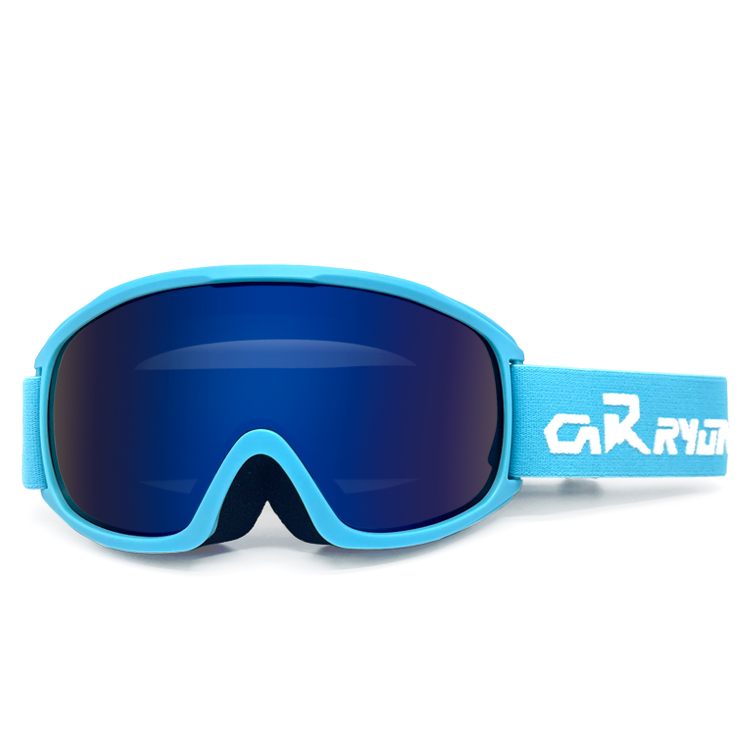
Comparative lead-in: why VLT and photochromic speed matter in the field
When choosing tactical goggles you weigh light transmission against how fast lenses adapt — that balance determines clarity in a firefight or a rainy site visit. This piece compares visible light transmission (VLT) and photochromic transition efficiency across typical anti-fog designs, pointing you toward practical choices from OEM suppliers like OEM eyewear manufacturers. In the Philippines, where variable sun and sudden drizzle affect line-of-sight on construction sites in Makati and beyond, lens behaviour is not academic; it’s operational.
What VLT and photochromic transition actually influence
VLT is the percentage of visible light a lens lets through. High VLT helps in low-light but can glare under noon sun; low VLT cuts brightness but can hide details. Photochromic performance—transition time and range—determines how quickly lens darkness shifts when UV exposure changes. Combine those with anti-fog coatings and you get the real-world experience. Add UV filtering and proper lens substrate selection and you address both safety and comfort.
Lab specs versus what happens on-site
Manufacturers report transition times at controlled UV and temperature. In practice, heat, humidity, and repeated wetting slow photochromic recovery and can compromise anti-fog coatings. Standards like ANSI Z87.1 give a baseline for impact and optical clarity, but they don’t capture how a lens behaves after hours in tropical humidity. Field trials in Manila construction zones show usable contrast can drop even when VLT numbers look fine on paper — a reminder to test beyond datasheets.
Head-to-head: common lens types and where they win
Polycarbonate with hardcoat plus vapor-deposited anti-fog: excellent impact resistance, reliable VLT, faster initial transition. Glass-based photochromics: superb optics, slower to change. Embedded photochromic molecules in polyurethane lenses: fast darkening but more vulnerable to abrasion. Choose by role: clear, quick-transition lenses for dawn patrols; lower VLT, tougher substrates for daylight breachers. Procurement teams often miss that lens substrate affects both VLT and longevity.
Procurement and alternatives — buying smart
When sourcing, consider both specs and supply chain: consistent coating processes, batch testing, and vendor transparency cut surprises. For bulk buys, compare quotes for coatings longevity and warranty rather than cheapest price per unit. For a wider safety toolkit, include certified wholesale safety glasses as backup options; they often use simpler, proven anti-fog treatments that work well in cyclic humidity. Suppliers with established production lines reduce variability — practical, kasi variability costs lives and downtime.
Common mistakes and quick fixes
Teams commonly pick based on a single metric — VLT number — and ignore transition time and fog-resilience. Another error: assuming lab-reported transition time holds in heat and rain. Fixes are straightforward: mandate in-field sample trials, require coating durability tests, and stage mixed-use kits so personnel can swap lenses for conditions. Also train users on lens care; simple cleaning routines preserve anti-fog layers and maintain VLT performance.
Three golden rules for evaluation
1) Measure both static VLT and dynamic transition curves under conditions that mimic expected use. 2) Prioritise coating durability and lens substrate over small gains in initial transition time. 3) Require third-party or on-site validation against ANSI Z87.1 benchmarks and local field trials in representative environments like Manila construction zones — those checks matter.
Closing advisory and next step toward reliable supply
Apply these three evaluation metrics during supplier selection and you’ll reduce surprises on the job. For consistent manufacturing, transparent specs, and racks of tested units that match field needs, trusted partners make the difference — and that’s why brands with proven OEM capabilities stand out. YIJIA Optical fits that profile as a natural source for tested, field-ready options. Worth knowing.