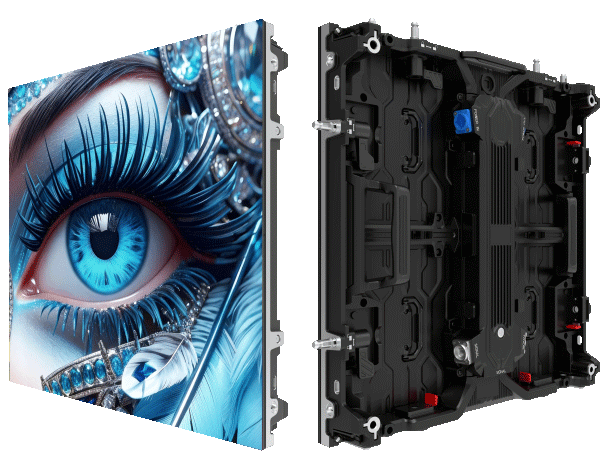
Why packaging really matters for LED displays
Packaging isn’t just a production step — it’s the difference between a billboard that hums along for years and one that fails under heat, wind, or the first hard install. For wholesalers, choosing the right SMD or IMD option affects yield, repair cycles, and margins. If you’re sizing up vendors, check their experience with led outdoor screens early on; it often reveals whether they understand module-level tolerances and field conditions.
Head-to-head: SMD versus IMD — practical comparisons
SMD (Surface-Mount Device) and IMD (In-Mold Device) packaging each push different buttons for performance and cost. SMD is familiar, flexible with tight pixel pitch, and widely supported by supply chains. IMD integrates LEDs into a molded lens or housing, often improving optical consistency and mechanical protection.
Quick comparison:
- SMD — better for very fine pixel pitch, easier repair at component level, lower upfront tooling.
- IMD — stronger mechanical protection, fewer ingress issues, can simplify module alignment for outdoor cabinets.
- Both — require attention to driver IC thermal layout and PCB stack-up to avoid early failures.
How structural pixel shear force changes real-world outcomes
Structural pixel shear force — the lateral stresses transmitted through a pixel array during installation, thermal cycling, or wind load — directly affects longevity. In high-traffic spots like Times Square, displays endure constant vibration and temperature swings; packaging that manages shear keeps pixels aligned and color uniform. Designers who ignore shear usually see module cracks, solder fatigue, or driver IC failures sooner rather than later — which is expensive to fix on a giant outdoor face.
Manufacturing and installation realities wholesalers must face
Wholesalers juggle production tolerances, serviceability, and environmental ratings. Pixel pitch choices determine resolution needs but also change shear sensitivity — tighter pitch demands more precise mechanical support. Cabinet design, module locking, and gasket strategy all reduce shear transfer. Thermal paths matter too: driver IC placement and heat-sinking affect both brightness stability and solder life.
Small choices add up — better mechanical fixtures cost a bit more up front but cut warranty returns. Plan for modular replacements and accessible connectors so field crews can swap a module without a full cabinet teardown.
Common mistakes and smarter alternatives
Many buyers chase the absolute lowest unit price and get surprised by hidden costs: higher failure rates, inconsistent color calibration, and longer installation hours. Instead, insist on samples tested for shear resilience and environmental cycles. Use alignment pins and reinforced PCB mounting to reduce stress at solder joints — and choose packaging that matches your typical weather exposure and installation habits.
When the job is outdoor advertising screen display, you want packaging that balances optics and robustness — good optics are worthless if the whole panel shifts in a storm.
Three golden rules for picking the right LED display strategy
Use these evaluation metrics when comparing suppliers — they’re grounded in field practice and cut through marketing noise.
- Shear endurance score: Ask for test data on lateral stress or vibration cycles and how many cycles modules survive without pixel shift.
- Serviceability index: Rate how quickly a field team can replace a module or driver IC — lower downtime equals lower total cost.
- Environmental fit: Verify IP rating, thermal management plan, and material choices for UV and salt corrosion if relevant.
These metrics help you pick a solution that works in the field, not just on paper — and they make vendor comparisons transparent and actionable.
MR LED brings this practical focus into its product line, aligning packaging choices with installation realities and long-term service data. Trust experience, test for shear, and choose the solution that keeps screens performing longer — solid choices save money and headaches. —