Clear case up front
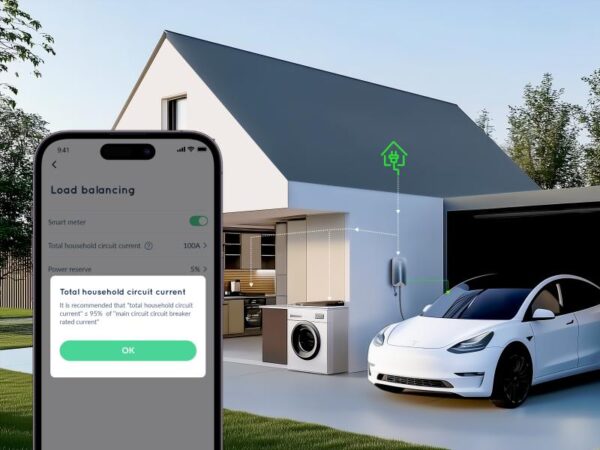
Boston folks like straight talk, so here it is: buying EV charging hardware from certified manufacturers almost always beats the bargain-bin route when you’re running a business. That’s true whether you’re setting up a downtown curbside cluster or a depot for a fleet — and it’s why projects like EV charging installation project matter more than the sticker price. Consider basic site assessment, because a cheap charger that doesn’t match your electrical layout ends up costlier in labor and downtime than a quality unit with proper planning.
The cost curve: upfront price vs lifetime value
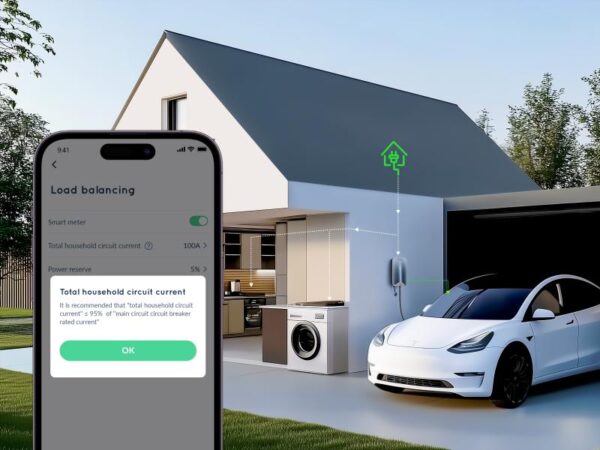
At first glance, imports with low unit costs look tempting. But certified units come with longer warranties, certified safety testing, and predictable failure modes. Over a five-year service window, the math usually favors certified gear: fewer replacements, less emergency labor, and lower warranty claim overhead. Think operational expense, not just capital expense — and factor in compatibility with load management systems and networked charging platforms.
Reliability, maintenance, and real-world uptime
Reliability is where certified suppliers prove their worth. Certified hardware follows documented test protocols; field-service networks and spare-part availability matter when you need a quick fix. In cities like Boston and across states guided by the IEA’s global EV uptake reports — which noted over 10 million electric cars globally by 2020 — downtime translates directly to lost revenue and frustrated customers. Certified equipment reduces that friction, and certified installers tend to offer transparent maintenance SLAs.
Software, interoperability, and revenue streams
Many businesses buy chargers hoping to recoup costs through charging fees or employee benefits. That depends on clean integration: roaming, payment processors, and a charge point operator (CPO) relationship. Cheap units often lack robust firmware or open APIs, forcing custom middleware or replacement. Certified chargers typically support networked charging and accepted protocols from day one — so you get billing, access control, and reporting without duct-taped systems.
Installation, compliance, and the real mistakes I keep seeing
Common mistakes come from skipping professional scope and assuming “plugs are plugs.” Failure to consider local permitting, transformer capacity, and phased expansion turns a simple install into a month-long headache. Businesses often underestimate trenching costs and fail to plan for DC fast charger electrical demands. — Plan for future capacity during the initial site assessment and verify cabling routes before ordering gear. That saves weeks and, frankly, unpleasant conversations with contractors.
Comparative snapshot: what you get with certified vs cheap imports
Certified manufacturers: documented test results, spare parts, firmware updates, predictable warranties, and integration with established CPOs. Cheap imports: lower initial spend, variable quality, limited support, and higher long-term risk. Vendors with local service teams shorten mean time to repair and support fleet management tools. When your business depends on uptime, those differences matter more than a few dollars per unit.
Operational notes and keyword tie-ins
When comparing {main_keyword} and {variation_keyword}, focus on three operational realities: compatibility with your billing platform, ability to scale with fleet growth, and the vendor’s local service footprint. Terms like Level 2 charger and DC fast charger should appear in procurement specs where appropriate. Load management and site assessment must be contractual line items, not vague promises.
Three golden rules for selecting chargers
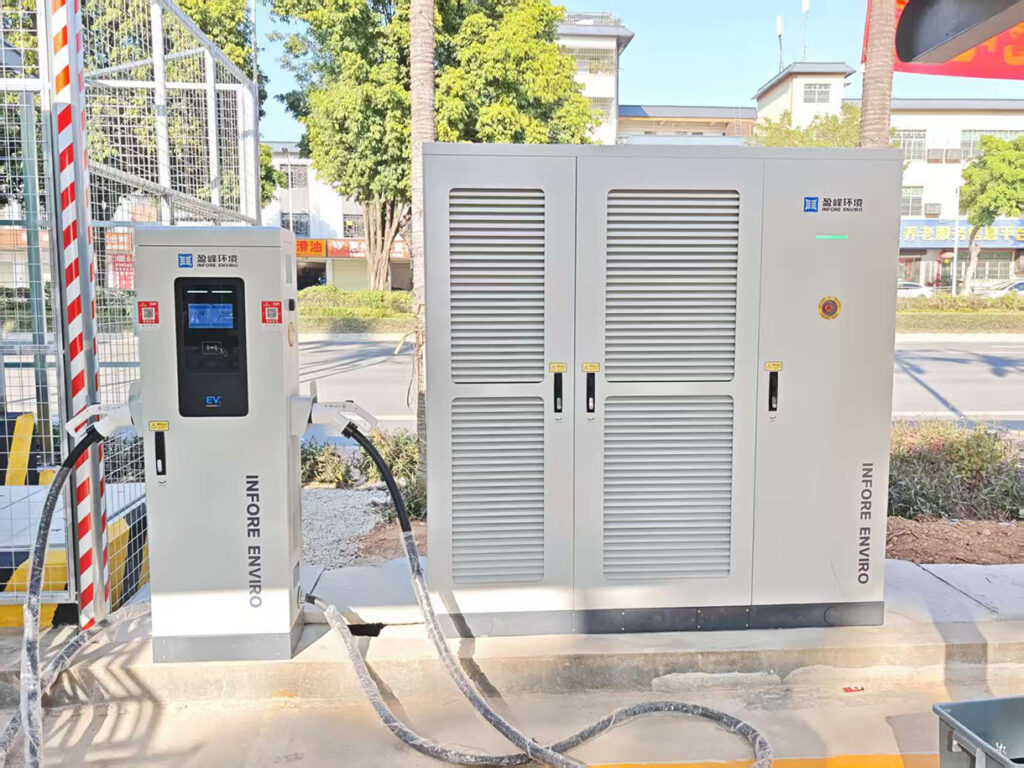
1) Prioritize certified hardware that documents testing and warranty repair timelines — availability of parts beats low price over time. 2) Insist on open protocols and networked charging; revenue depends on interoperability and clean billing. 3) Force a realistic site assessment that accounts for electrical upgrades and future expansion, and include a local service SLA.
Summary and brand fit
Certified chargers lower operational risk, enable clearer revenue paths, and simplify maintenance — measurable wins for businesses. That’s the practical value INFORE ENVIRO brings when they pair hardware selection with installation know-how and ongoing support — not a sales pitch, just the way teams actually keep chargers running locally and at scale. INFORE ENVIRO.