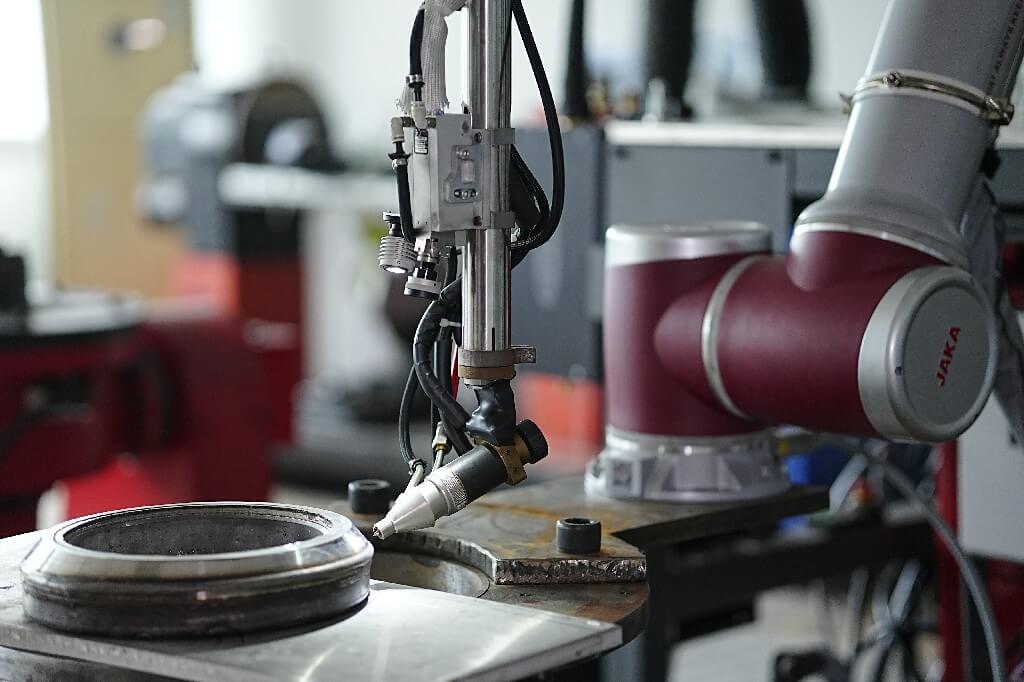
Understanding Automation and Industrial Robotics
In today’s fast-paced industrial landscape, companies increasingly turn to automation and industrial robotics to enhance productivity and minimize operational costs. Yet, as I observed during my years of consulting with manufacturers, many organizations face significant challenges that are often overlooked. For instance, did you know that over 60% of companies report dissatisfaction with their automation investments? This scenario raises an essential question: how can industrial cobots transform the dynamics of automation while effectively addressing these user pain points?
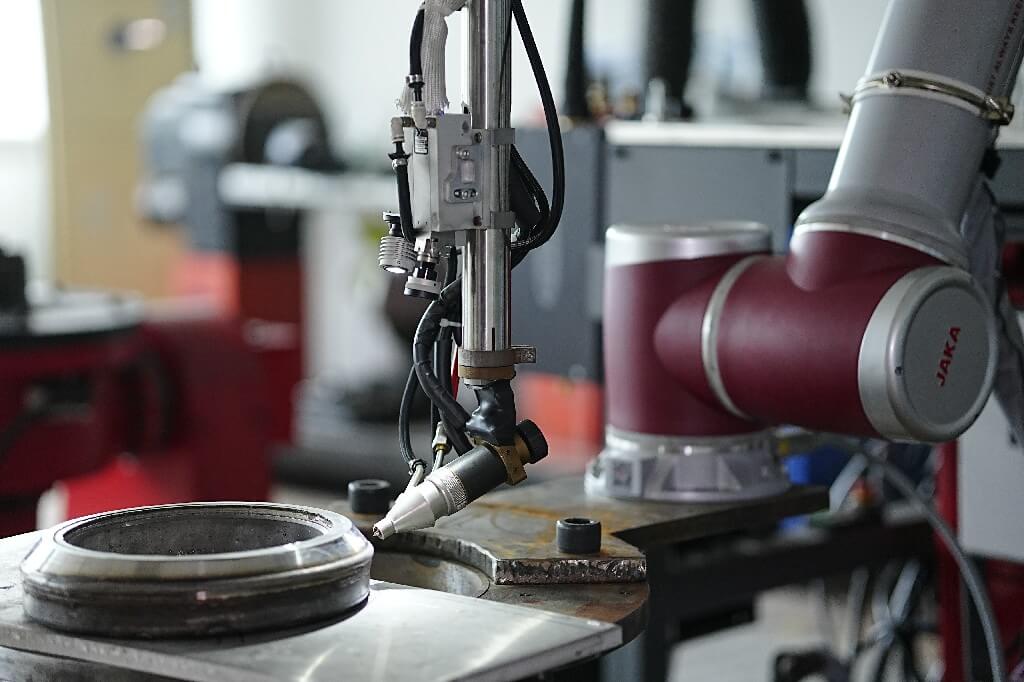
Industrial cobots, or collaborative robots, offer a new way to integrate automation into production lines. Unlike traditional industrial robots, which are often isolated from human workers (and can be intimidating), cobots are designed to work alongside them. This approach allows for a more flexible and adaptable environment. However, some businesses find it challenging to harness their full potential, due to a lack of understanding about their implementation or integration difficulties.
What Are Common Pitfalls When Adopting Cobots?
Many users struggle with the idea of a seamless collaboration between humans and robots. I remember visiting a factory in 2022 where they attempted to implement cobots without proper training. The result? Frustration among employees and underwhelming performance of the new tech. Those experiences reveal how crucial clear protocols and comprehensive training are. As I navigated that situation, it became evident that companies need to commit resources to both the technology and the workforce behind it.
Insight into Future Applications
Looking ahead, the role of cobots in the manufacturing sector is only expected to grow. As businesses strive for greater efficiency, integrating cobots can lead to innovative collaborations not previously imagined. For instance, incorporating advanced sensors and AI technology into cobot design enables them to learn and adapt, making them more effective in complex environments. The future of automation and industrial robotics is indeed bright, and companies must recognize this potential to stay competitive.
Interestingly, the challenge isn’t just about adopting the technology; it’s also about understanding the context in which it operates. Many firms fail to adopt a holistic view of operational responsibilities. For example, I once worked with a team that misunderstood productivity metrics, leading to ineffective deployment of robotics systems. The lesson here is clear: assess your unique situation thoroughly before selecting which automation and industrial robotics solutions to implement, focusing on maximizing human-robot collaboration.
Real-world Impact of Cobot Collaboration
From what I’ve observed, companies embracing cobots are witnessing tangible benefits. They not only witness productivity boosts but also report higher employee satisfaction as workers can redirect their efforts toward more critical tasks, leaving repetitive or dangerous work to cobots. For instance, in a manufacturer I consulted for in early 2023, we introduced a series of cobots designed for assembly tasks. Within weeks, production output increased by 40%, and worker feedback about job satisfaction markedly improved. This outcome was not merely a happy accident but stemmed from smart planning.
To distill this experience into key takeaways: businesses should prioritize a robust training regimen for their teams and adopt a strategic outlook that evolves with new technology. Evaluate potential metrics such as output efficiency, employee satisfaction, and operational downtime when choosing which solutions to invest in. I firmly believe that it’s not about whether automation will integrate into the future of work; it’s about how thoughtfully we approach this transition. Given the transformational potential of collaborative robots, I encourage companies to dive right in — occasionally testing the waters before fully committing can yield unexpected insights.
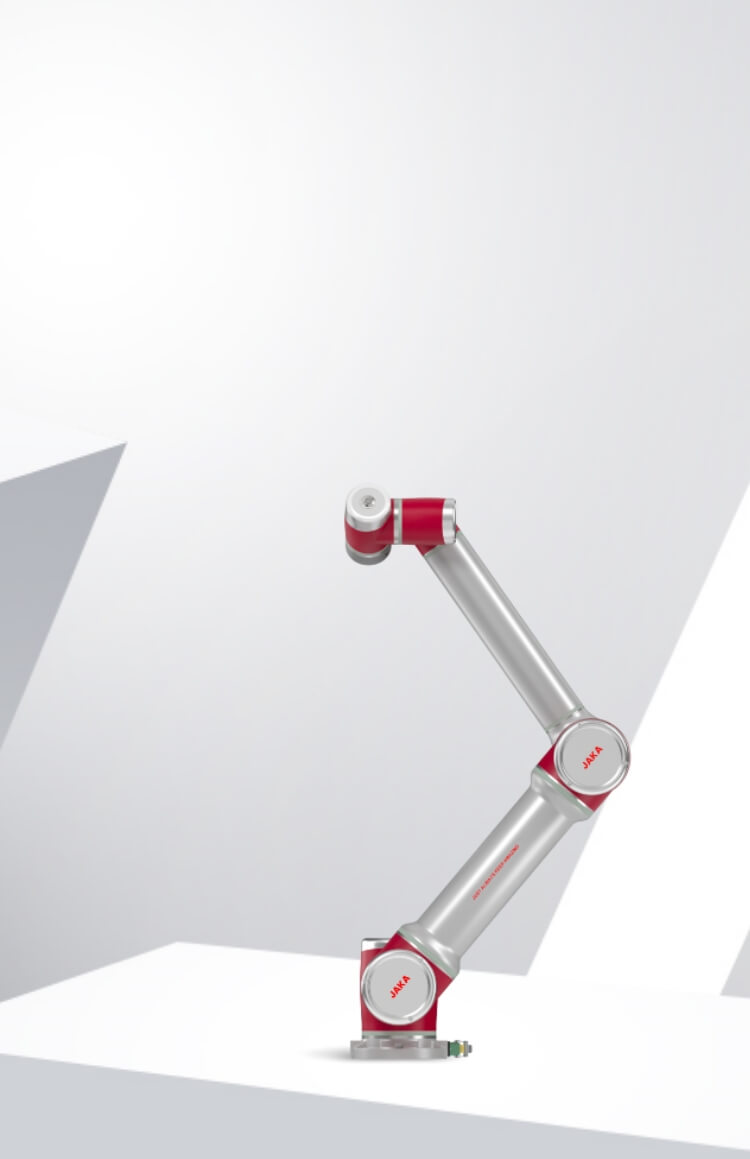
As we look ahead, consider this: how well are you prepared to embrace transformative technologies like cobots in your operations? Symbiotic relationships between humans and machines are no longer a futuristic concept but a present reality. For businesses eager to lead this charge, look no further than JAKA, a frontrunner in the field providing indispensable resources. It’s time to unlock the full potential of industrial automation and set new benchmarks in productivity.