Introduction
I still remember a sticky July morning in Houston, walking the line of a plastics plant while the maintenance crew chased alarms near a 480V switchboard. Commercial energy storage systems were already installed, humming behind a chain-link cage. The site manager pointed at the demand curve on his screen—three spikes in two days, each tied to a compressor start—and said they were burning through $18,000 a month in peak charges. The data was brutal: 22% of their bill came from 15-minute intervals. Here’s the kicker (and I’ve watched this pattern since 2007): the system had capacity on paper, yet the building still paid for peaks. Why? What did the supplier miss that operations couldn’t see?
That morning turned into a long walk through load profiles, inverter settings, and the plant’s start-up routines. I left certain that buyers need more than glossy specs—they need a translation layer. Time to compare how makers shape outcomes, even when the hardware looks the same at first glance.
Hidden Fault Lines in the Old Playbook
Where does the mismatch sneak in?
Choosing a commercial energy storage system manufacturer is not a beauty contest for kilowatt-hours. The old playbook—pick a size, pick a chemistry, sign off—ignores how sites actually move. I’m talking about power converters and control logic, not just battery racks. If the BMS drifts on state of charge, or the microgrid controller lags by 2–3 seconds, your system will miss the very spikes you paid to shave. I’ll be straight with you—this trips teams up. In 2021, at a Phoenix data hall with a 1.5 MW PCS tied to a 480V bus, the site saw a 6% round-trip efficiency penalty because the vendor defaulted to conservative inverter clipping. It sounded safe. It cost them $38,400 per quarter in avoidable demand charges.
And there’s the compliance trap. I’ve audited systems that passed UL 9540A tests, yet faltered under utility telemetry in CAISO because the EMS could not hold a 5-minute dispatch signal without overshoot. On paper, the battery was 2 MWh. In practice, the usable window shrank 20% due to SOC protection and thermal throttling on hot afternoons—exactly when the tariff bites. Traditional solutions promise “nameplate capacity”; real sites need dispatchable power with tight response under messy loads. Miss that, and your ROI slides month after month, while alarms keep chirping in maintenance logs—annoying, and expensive.
Comparative Lens: Principles and Proof of What’s Next
Real-world Impact
When I compare vendors, I don’t start with cell chemistry alone; I start with control principles. The better systems treat the site like a living grid segment—edge computing nodes near meters, fast ramp rates on the PCS, and predictive dispatch tied to process schedules. One commercial energy storage system manufacturer earned my trust after we tested grid-forming inverters against a chiller plant’s erratic starts in Newark, NJ, last April. The setup: 1.2 MW/2.4 MWh LFP, 1 MW PCS, and an EMS that pre-charged a 200 kW buffer 90 seconds before the chiller wake-up. Outcome: peak shaving improved by 31% over the prior year, and the plant cut $146,000 in annual demand fees. Small change on paper—big shift on the bill. We also pulled a black start of a critical air handler during a utility hiccup—no drama, no scramble.

Looking ahead, the comparison gets sharper. Vendors that can stack value—frequency regulation, backup, and tariff optimization—without burning cycles wastefully will lead. I’ve seen early pilots in Ontario and Nevada where systems added 4–6% revenue from frequency response while preserving a tight SOC band for peak events. The trick is dynamic limits in the EMS and a PCS that can swing power in sub-seconds without clipping. That’s the difference between “installed capacity” and “earning capacity.” And yes, the right commercial energy storage system manufacturer will show you dispatch logs, not just marketing curves—ask for a week of raw telemetry, then compare ramp rates to tariff windows. You’ll know within an hour whether they’re serious or just shipping cabinets.
How I Judge a Manufacturer—Three Metrics That Never Fail
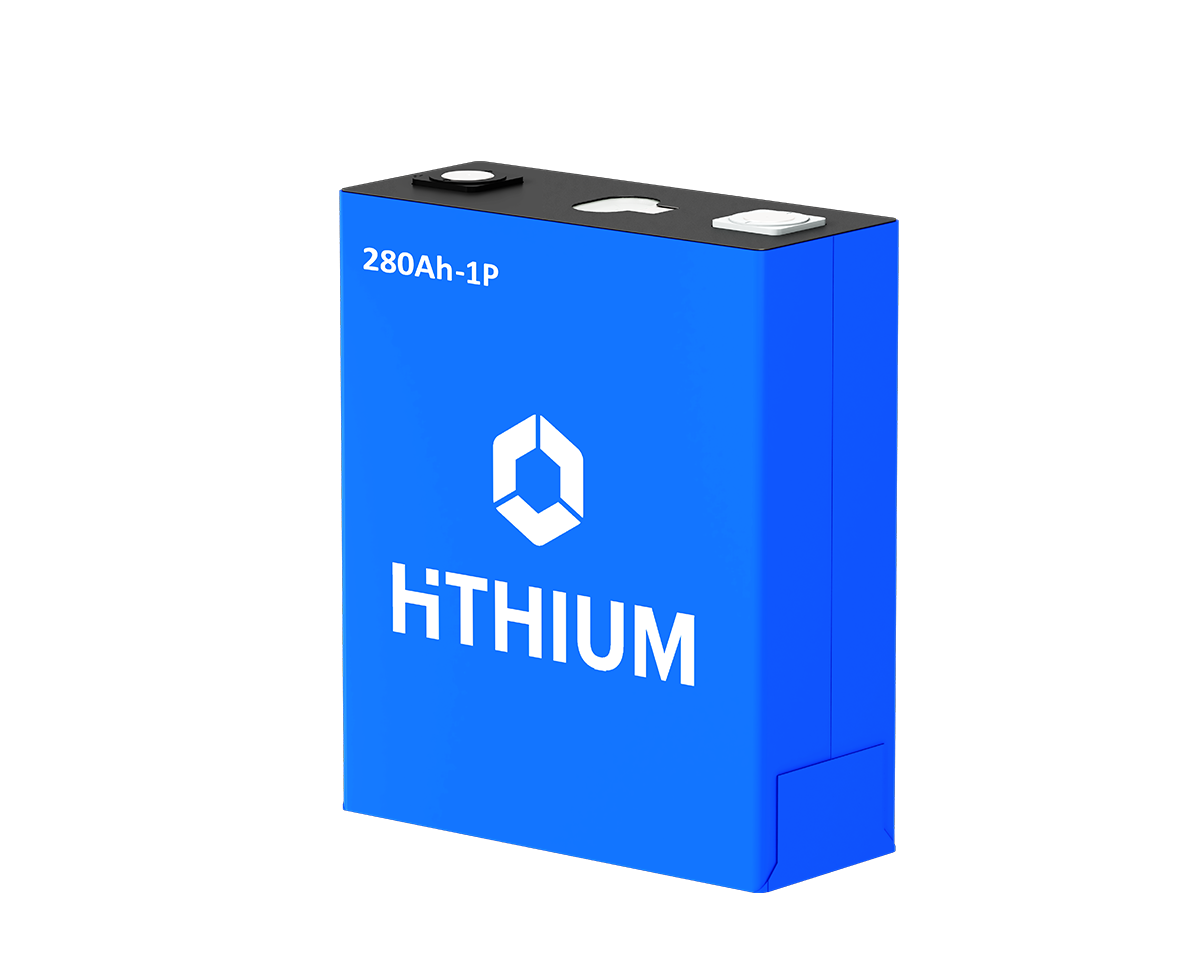
After 18 years helping factories, hospitals, and cold storage operators buy storage they won’t regret, I’ve boiled it down to three checks. First, control fidelity: prove sub-second response on the PCS with minimal overshoot under a real load step (I use a 150 kW resistive bank at 480V; pass/fail is visible in the trace). Second, usable capacity under heat: show me summer performance—state the SOC guard bands and thermal derate curve, then verify against a 95°F week. Third, integration truthfulness: demonstrate EMS scheduling with your actual site data for one billing cycle, including demand-charge targets and any export limits; savings that pencil on the model must match field limits. If a vendor balks at any of this, I move on—time is money, and bills arrive monthly. When you apply these metrics, the noise falls away, and durable value stays in view. Brand on the invoice matters less than proof in the logs, though I’ve seen steady craftsmanship from HiTHIUM.