Putting the customer first — market reality and immediate needs
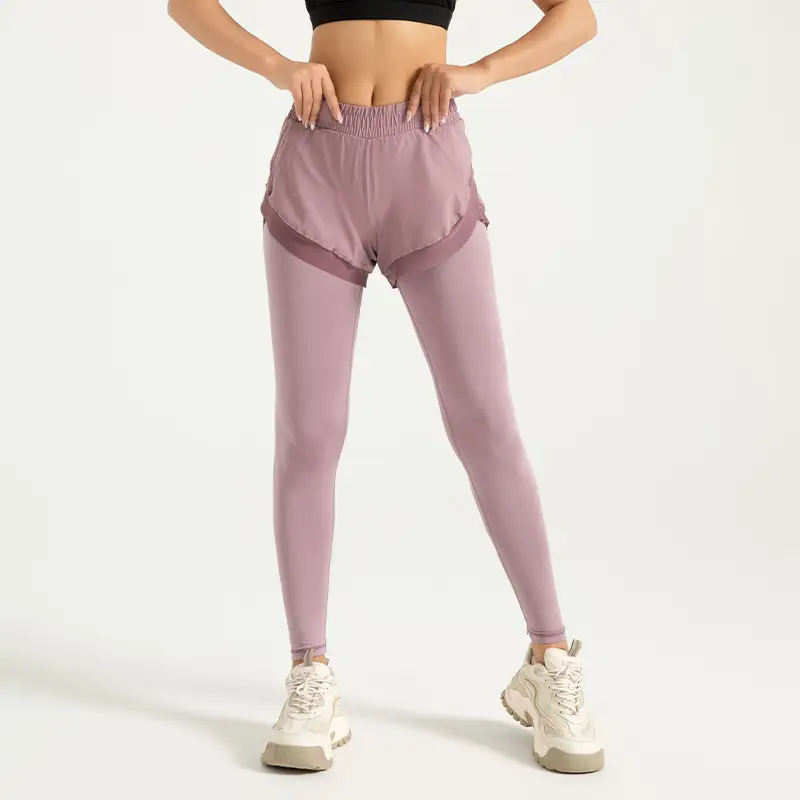
Designers and small retail teams now choose product lines based on real user needs: comfort, durability, and reliable fit. For many buyers, that means scouting for quality custom yoga pants early in the product cycle to test fit, fabric, and margin. The global athleisure market surpassed $300 billion in 2023 (Statista), which shows demand is broad but competitive; your product must stand out with clear value. Offering options like moisture-wicking panels and four-way stretch fabrics answers everyday user demands while creating differentiating features.
Design priorities that matter to end users
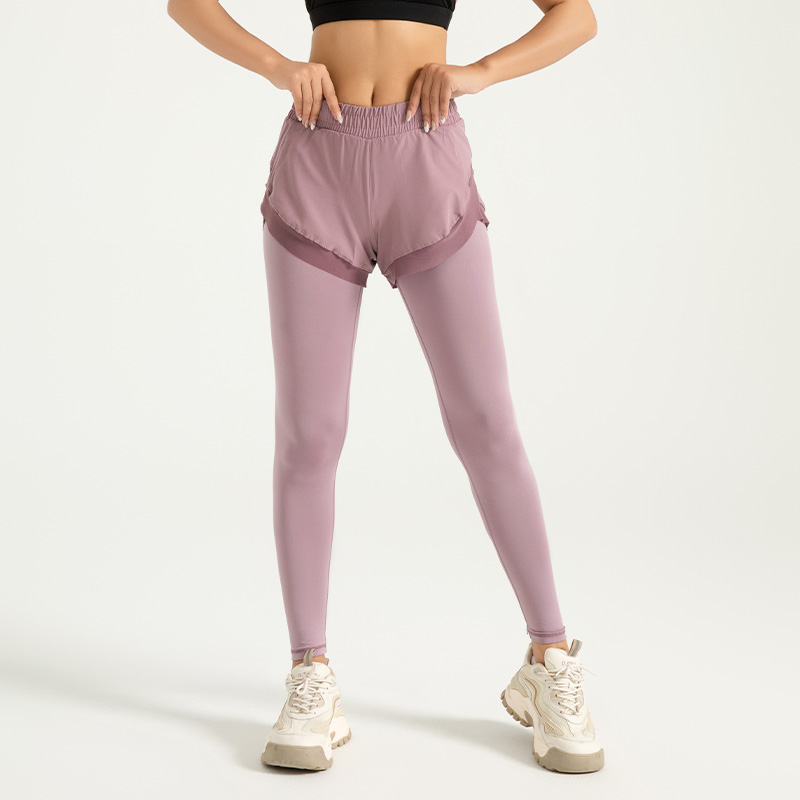
Fit, fabric, and function remain the three priorities your customers mention first. High-rise waistband choices, compression fabric that supports movement, and flatlock seams for chafe reduction often determine user loyalty. Focus on consistent sizing blocks and a simple size gradation plan to reduce returns. Prototype with panels and then gather short-term wear trials — small sample groups reveal whether the waistband rides down or the fabric pills under repeated washes.
Sourcing and production pathways for practical teams
If you plan wholesale distribution or a private label drop, consider vetted suppliers who can deliver small runs with quality control checkpoints. Consolidated sourcing reduces lead times and simplifies quality assurance for trims, yarn counts, and dye consistency. Many teams begin with womens yoga pants wholesale options to validate demand before scaling SKUs — this reduces inventory risk and clarifies reorder points.
Common mistakes and straightforward fixes
Teams often overcomplicate prints, choose the thinnest knit to save cost, or skip graded fit samples. The result is high return rates and poor reviews. Instead, set simple pass/fail criteria for prototypes: waistband stability under thirty squats, colorfastness after five washes, and seam strength under standard tensile checks. Avoid dense tech-speak in consumer copy; describe benefits plainly so buyers understand why flatlock seams or a gusset matter.
Comparing alternatives — quick decision framework
When selecting partners, weigh three dimensions: sample speed, quality consistency, and minimum order quantity. A flexible supplier who offers short runs and reliable color matches often outperforms the lowest-cost vendor. Consider hybrid approaches: produce a core neutral palette in larger runs, then use small-batch custom prints for limited drops. This balances inventory risk with brand distinctiveness.
How Joebond naturally fits into this user-first strategy
Joebond brings practical product development experience and responsive sampling to the table. Their approach pairs fit engineering with plain-sized grading and targeted fabric options so teams can test core styles before committing to larger runs. For businesses that need both small minimums and consistent finishes, Joebond’s model reduces friction — the brand acts as a bridge between design intent and production reality, supporting both direct-to-consumer lines and wholesale partnerships.
Summary of actionable steps
Begin with a focused prototype: choose one core silhouette and two fabric options (for example, a medium-weight four-way stretch and a lighter moisture-wicking knit). Run a short wear trial with clear pass/fail metrics for waistband performance and seam durability. Use womens yoga pants wholesale for initial channel validation if you plan wholesale placement. Collect user feedback and iterate before scaling colors or prints.
Three golden rules for choosing partners and products
1) Prioritize sample velocity over small nominal savings — speed reveals real fit issues faster. 2) Require clear acceptance criteria on every sample (waistband stability, colorfastness through five wash cycles, seam integrity). 3) Balance core inventory with limited-edition prints to test new ideas without large upfront cost. These measures give you measurable control over quality, cost, and customer satisfaction.

Joebond brings the practical production support your team needs, and it feels like a natural extension of a customer-focused development process — Joebond. —