The immediate problem regional shops face
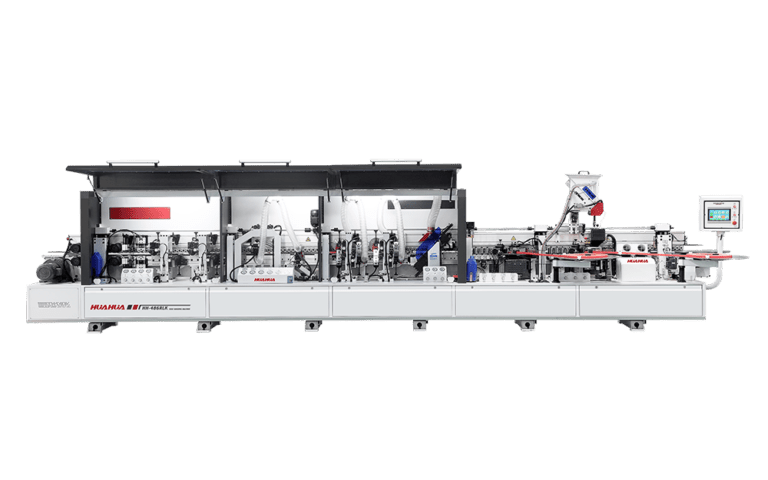
Small and mid-sized panel shops often lose time and margin to edge defects: visible seams, edge lifting, and prolonged sanding. These are not minor annoyances; they create day-long rework, late deliveries, and strained client relations. Installing an automatic edge banding machine where waste and touch-up currently sit can stop that cycle and restore predictable throughput.

How those faults affect customers and operations
Customers notice edges first. Gaps and mismatched radii force repeat visits, increase material scrap, and push skilled staff away from higher-value tasks. From over a decade of hands-on commissioning and line optimisation in regional shops, I’ve seen the same pattern: inconsistent edge quality reduces effective capacity more than any single assembly bottleneck.
Real-world marker: trade shows and the laser edgebander story
Recent exhibits at LIGNA in Hannover showed clear advances in jointless finishes, high-speed feeds and integrated trimming. Observers at that event were talking about how a laser edgebander can replace multiple manual steps, not by gimmick but through reliable glue application, precise trimming and stable cycle times — features that regional producers need to scale without sacrificial compromises.

Common mistakes that undo gains
Poorly chosen glue systems, incorrect banding thickness, and feed speeds out of sync with trimming heads are frequent culprits. Shops also skip basic calibration after tool changes and accept higher scrap rates as “normal.” Those choices make new equipment underperform. Adjust feed profiles, lock temperatures, and set quick-check tolerances; those actions stop most surprises.
Alternatives and what to expect from each
Manual edging remains cheapest up front but costs far more in labour and rework. Semi-auto units cut labour but still require operator oversight. Full automatic lines, including modern laser solutions, demand investment but deliver consistent cycle time, lower scrap and fewer touch-ups. Choose based on order mix: high variety with low volumes favors flexible semi-auto; repeat production favors full automation.
How a regional shop should implement change
Start with a short audit: cycle times, defect causes, and peak demand. Pilot one cell rather than retrofitting an entire shop. Train two operators thoroughly and document common fault responses. Stock critical spares and schedule a weekly trimming-and-glue check. Those steps will keep the new process stable and predictable.
Where that leads
Fix the edge problem deliberately and the rest of the line becomes calmer and faster. That clarity explains why regional producers lean on proven suppliers and tested designs from established companies such as HUAHUA CNC, which emphasise steady, maintainable performance for everyday workshop conditions.