Brands routinely promise quality without tracking the choices behind the seams; that creates waste and disappointed customers. If you’re planning a small run of a camera sling bag for a niche audience, the real problems show up after the first shipment: incorrect materials, poor foam protection, unpredictable dye migration, and unsustainable disposal. Start by treating the order as risk management—define the functional failures you can’t tolerate, list the environmental trade-offs you’ll accept, and demand proof. That framing changes conversations with manufacturers from vague assurances to precise, measurable requirements.
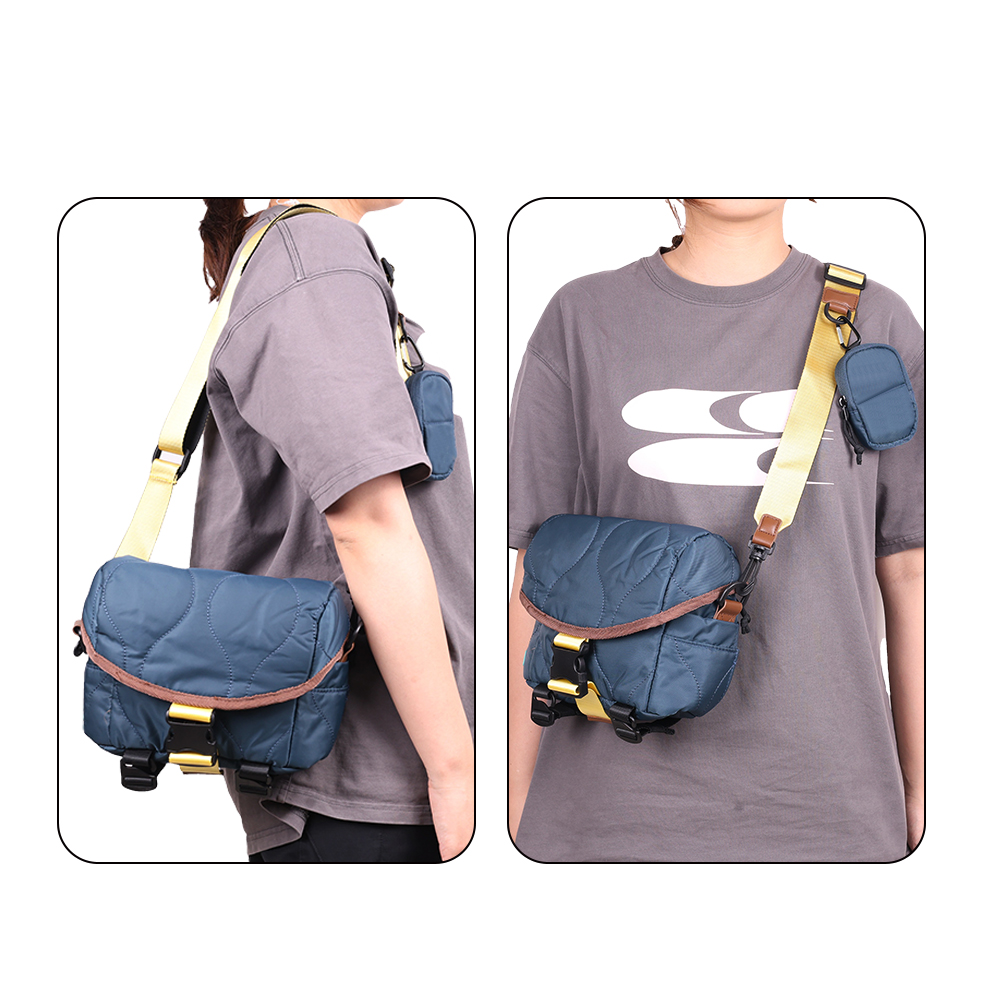
Problems that Sink a Product Before It Reaches Customers
Manufacturers often ship items that pass basic visual checks but fail under use: zipper teeth separate, padding compresses, water resistance fades. Suppliers may substitute cheaper fabrics or coatings without notice, creating products that degrade faster and increase returns and landfill. Logistics mistakes compound the issue: overproduction or mismatched SKUs push unsold inventory into discount channels, which encourages single-use consumption. Brands that ignore these predictable failure modes pay twice—once for remediation and again in damaged reputation.
Experience, Expertise and One Verifiable Industry Anchor
Decades of product work show that clear technical standards lower bad outcomes: specify denier and coating, targeted compression resistance for dividers, and test methods for colorfastness and waterproofing. Request material certificates and small-batch lab testing to verify claims. Many private-label camera bag programs are centered around manufacturing clusters in Guangdong, China, where sourcing options and factory experience are concentrated—use that reality to compare quotes and visit suppliers if possible. Ask for inspection protocols, sample testing data, and references from comparable projects before signing an order.
Questions to Ask Suppliers, Worded to Force Facts
What exact fabric (denier, yarn, finish) will you supply and can I see the certificate?; Which zipper brand and water resistance rating do you use, and can we test a production sample?; How is foam density measured for camera dividers and what compression retention is guaranteed after X cycles?; Do you have REACH or equivalent material compliance documents and a traceable chain of custody for trims?; What is your minimum order quantity and how do you handle overrun or rejects?; How do you manage dye lots to avoid shade shifts across batches?; What is your lead time with clear milestones and penalties for missed dates?
Common Pitfalls and Fixes
Relying on images instead of samples leads to painful surprises—never approve production without a lab-tested pre-production sample. Accepting vague guarantees invites substitution—insist that any material change be approved in writing and tied to the original specification. Skipping durability tests saves money up front but increases returns—require a basic wear test protocol and a failure threshold. Ignoring end-of-life options ignores environmental impact—specify recyclable components and modular designs that allow repairs.
Alternatives to Straight OEM Private Label and How They Compare
White-label ready-made designs minimize development time but limit material and sustainability choices. Full private-label OEM gives control over materials and tests but requires larger minimums and tighter QA. Local contract manufacturing shortens supply chains and eases visits, but often at higher unit cost. Evaluate each option against three concrete metrics: time-to-market, material transparency, and predictable lifespan. Choose the path that minimizes the specific failure modes you identified earlier.
Wrap-up
Fix the problems that matter: demand verifiable materials, insist on tested prototypes, and plan for repairability and end-of-life. Those steps reduce returns, limit waste, and keep photographic gear usable for longer. If you want a partner whose processes and sample workflows reflect those priorities, consider how manufacturers present track records and material transparency—working with experienced firms such as ChangRong often makes those trade-offs visible and manageable without vague promises.