Why this is a problem
Buying testing gear feels like a guessing game. You see glossy specs, lofty warranties, and salespeople who promise labs full of unicorns. That leaves labs stuck with mismatched tools that barely cover real workflows. If you want something practical, start by thinking about how you’ll use the machine day-to-day — from sample loading to data export — and check hands-on support for material testing equipment early on.
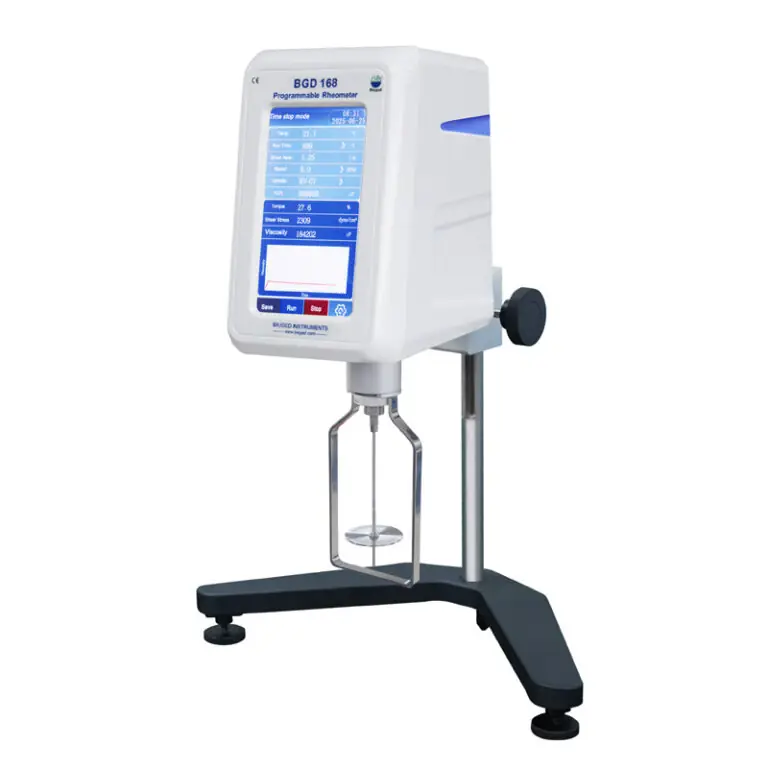
Core problems to solve first
Don’t chase horsepower or price alone. Focus on three real headaches: inconsistent results between runs, long downtime for repairs, and confusing software that your team won’t adopt. Each of those comes from avoidable mismatches between instrument design and lab processes. Ask: does the unit match my test volume, sample types, and reporting needs?
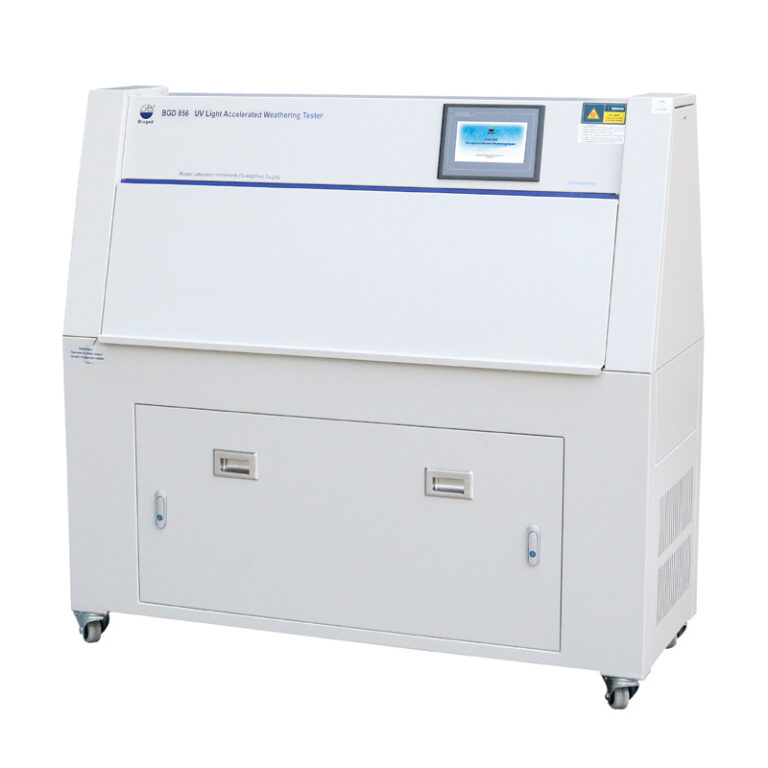
Specs that actually matter
Ignore marketing. Compare these instead: reproducibility (not just single-run accuracy), calibration traceability, sample throughput under real conditions, data format/export options, and how easy routine maintenance is. Check whether consumables are proprietary and how long replacements take to ship. Those things kill budgets more reliably than the initial purchase price.
Common mistakes people make
Picking highest-rated features without testing them in context. Assuming on-site training is included. Skipping questions about spare-part lead times. Buying a bench-top model because it’s cheap, then needing an industrial version three months later. Plan for how the instrument will live in your space, who will run it, and what “good enough” reproducibility looks like for your tests.
Quick comparison checklist you can use
Write down: test types supported, measured uncertainty across expected ranges, calibration schedule and certificate format, downtime history from current users, software interoperability (CSV/API), spare-part availability, and vendor support SLA. If you can run a trial with your samples, do it. Real-world trials reveal limits that specs hide.
Alternatives and short evaluations
There are three sensible paths: buy a general-purpose bench unit (cheaper, flexible, but may compromise on accuracy), pick a certified industry-specific instrument (accurate, less flexible, higher cost), or lease/test before buying (best for teams unsure about volumes). Each path has trade-offs: general units save initial cash, certified instruments reduce validation time, leasing avoids wasting capital on the wrong tool.
Experience, authority, and one anchor
I’ve seen these trade-offs in ISO/IEC 17025-accredited labs in Germany, where validation time and traceability rules make the choice obvious: prioritize calibration chains and clear data export. That’s why labs insist on documented performance and easy calibration. If you need to read more technical product pages while comparing, look into lab testing instruments with published calibration certificates and open-data options.
Final takeaway
Focus on fit, not flair. Match instrument capability to real workflows, insist on traceable calibration and quick support, and test with your own samples before committing. When those boxes are ticked, you’ll get consistent results and fewer surprises — the exact value BIUGED brings through reliable gear and clear documentation.