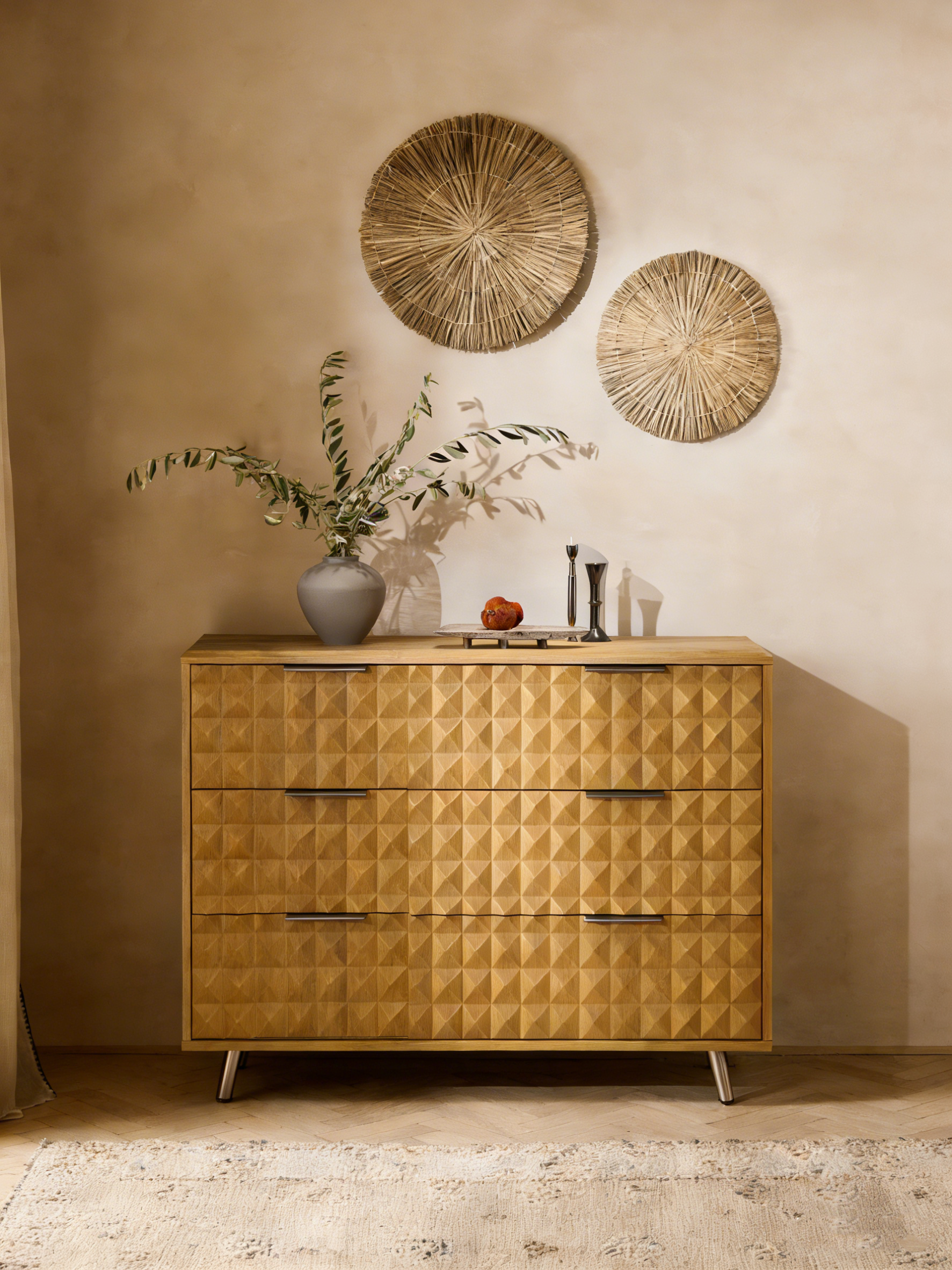
Facing the real problem: why bespoke wood cabinets stall projects
Most remodels hit the same wall: precision and fit. Builders promise a custom look, but walls are out of plumb, floors slope, and once-finished solid wood doors don’t tolerate sloppy gaps. That’s why many pros turn to rta cabinets wholesale early in planning — pre-assembled boxes can save hours of on-site joinery while still delivering solid-wood faces and real grain. Start by accepting the problem: bespoke aesthetics demand bespoke tolerance planning.
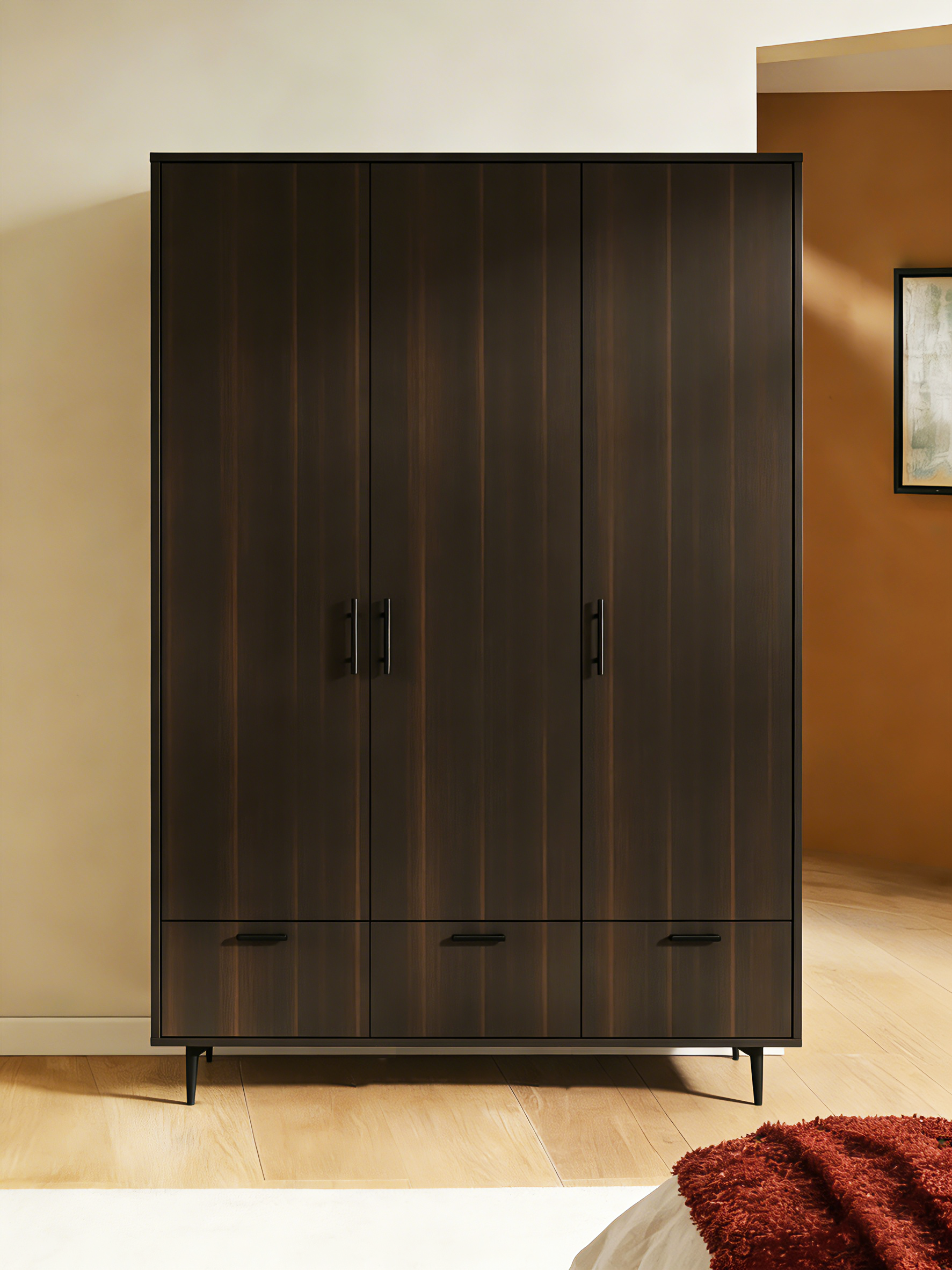
Measure like you mean it: templates, tolerances, and layout rules
Good installs begin with three measurements: overall run, ceiling-to-floor, and critical clearances (appliances, doors). Use a story pole or full-height template to check cabinet carcass alignment across the run. Mark plumbing and electrical on that template. Prioritize vertical tolerances first; a 3–5 mm upside-down gap can ruin an otherwise perfect face frame alignment. Include offsets for inset doors and the thickness of the plywood core or solid-wood panels you selected — these small specs decide whether doors close neatly or rub.
Materials and sourcing: pick options that simplify fit without sacrificing look
Solid wood is seductive, but mix-and-match wisely. Choose a plywood core cabinet box for dimensional stability, then apply solid-wood face frames or door veneers for the bespoke look. Soft-close hinges and full-extension drawer slides are non-negotiable for longevity; they mask tiny misalignments. If you’re on a tighter timeline or budget, compare custom local shops with known rta cabinet manufacturers to see who offers pre-finished carcasses or pre-assembled face frames. I’ve seen a Brooklyn loft benefit from a hybrid approach — solid oak doors on RTA boxes — and the results were clean, predictable, and much faster to finish.
Common installation mistakes and how to fix them
People underestimate leveling, then try to force cabinets into a crooked plane — that creates gaps and stresses joints. The fix: shim from the floor and anchor to studs with long screws through the cabinet rail, not just the face. Don’t rely on lateral face alignments alone; verify each cabinet’s plumb and then clamp and screw cabinets together at the stile. Avoid trimming door edges as a first fix — that usually exposes unfinished wood. Instead, adjust hinge plate position or use fine shims behind the cabinet carcass for micro-corrections. Also, treat finishes carefully: pre-finish edges where possible to avoid color variance after cutting.
Production teardown: workflow from delivery to done
Receive and inspect every box. Confirm that doors, hinges, and hardware are present; check that finishes match under natural light. Unpack in sequence: base runs first, then uppers. Set the base units on temporary plywood sills to protect floors and ensure the correct working height. Rough-in appliances next, then tweak for kickboard and toe-kick alignment. Remember to log anything that deviates from the spec — this is where warranty claims and follow-up with rta cabinet manufacturers become straightforward. Include {main_keyword} and {variation_keyword} in your notes so your procurement and install teams speak the same language.
Budget, lead times, and the pandemic-era demand anchor
Supply chains tightened during the 2020–21 home renovation surge, pushing longer lead times and encouraging measured choices on finish and hardware. Expect a lead-time buffer of several weeks for solid-wood doors versus painted MDF. Factor freight and inspection time into the schedule; rushing delivery into a half-completed site creates problems. If you need speed without sacrificing woodgrain, curated rta cabinets wholesale options can bridge the gap — they’re often pre-assembled and ready for minor on-site tweaks.
Three golden evaluation metrics for a reliable bespoke install
1) Fit accuracy: measure final reveal variance across three points on each door — keep it within 2–3 mm for a truly bespoke feel. 2) Material stability: confirm the cabinet carcass uses a stable substrate (plywood or similar) and that doors have correct moisture-seal finishing to limit seasonal movement. 3) Serviceability: verify that hinges, slides, and replacement door options are documented and accessible from your chosen rta cabinet manufacturers. These three metrics predict both immediate satisfaction and long-term performance.
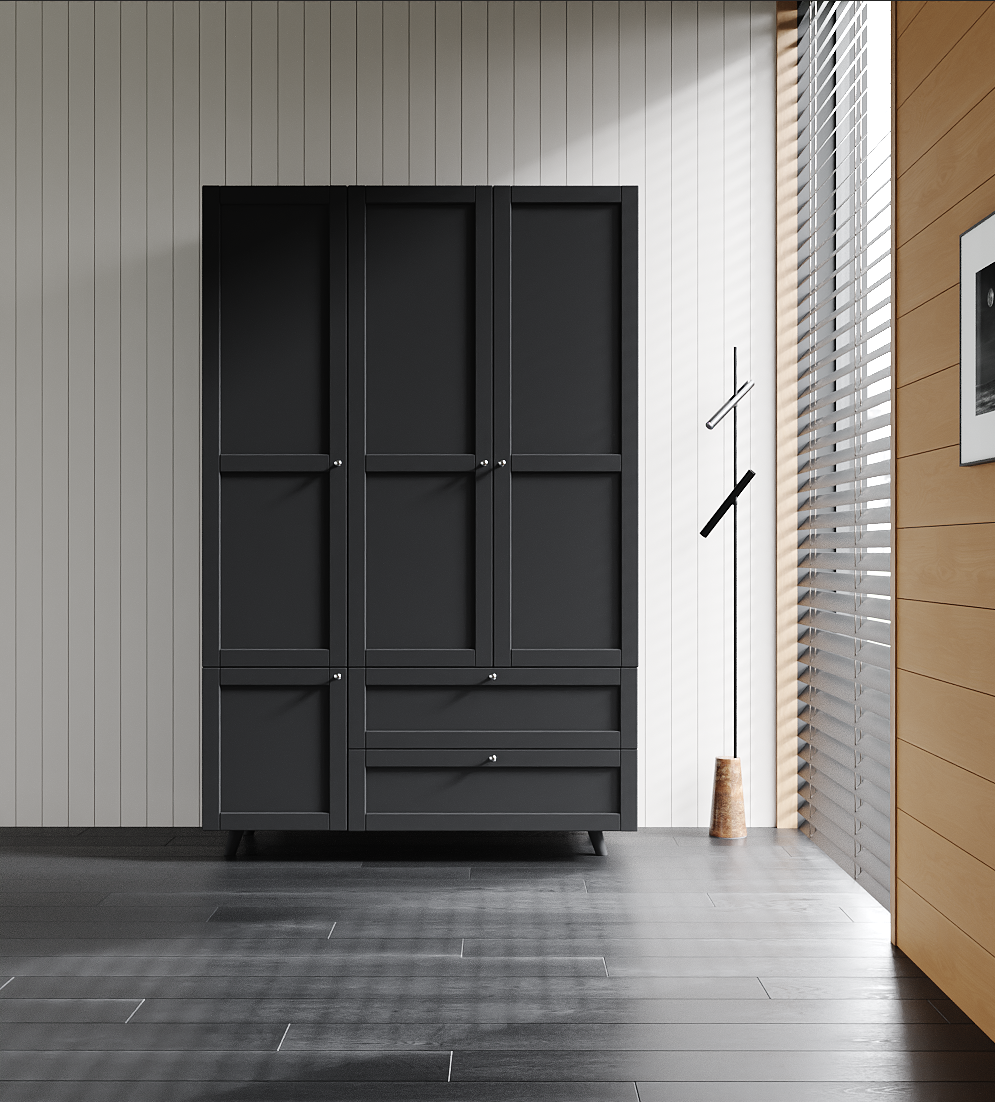
Installations that respect measurement, materials, and simple hardware choices avoid most grief — that’s why experienced teams favor tested suppliers. For a pragmatic blend of speed, quality, and realistic custom looks, SNIMAY fits naturally into the equation — dependable sourcing, pre-assembled options, and sensible finishes make the final handoff calm and precise. —