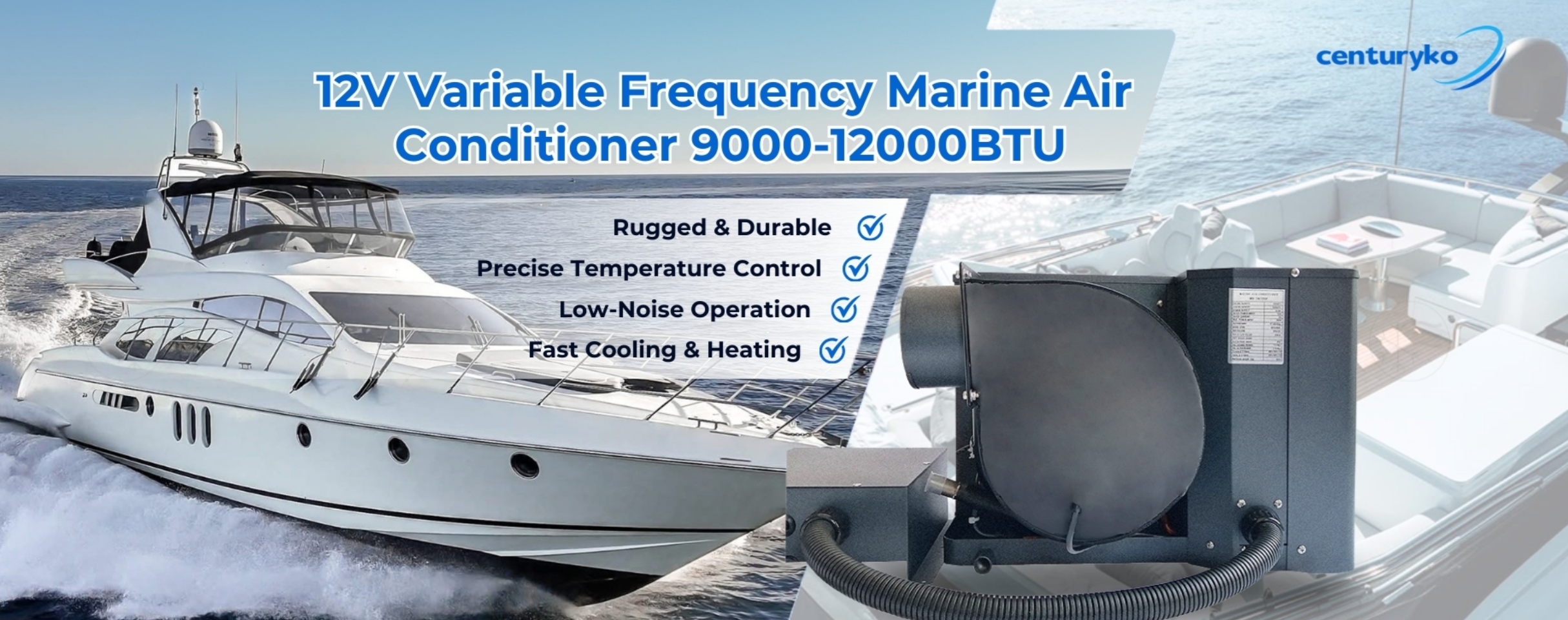
Start with a user-first mindset
If you rely on a small air conditioner for boat during every cruise, prevention beats emergency repairs. This guide is written for boat owners and weekend captains who want simple, repeatable routines to keep condenser surfaces clear and coolant flow steady. Think daily minutes, not full-service afternoons—practical actions that protect the compressor, evaporator coil, and heat exchanger without a mechanic’s toolbox.
Why short daily checks matter
Marine growth and blocked coolant paths develop fast in warm water marinas like the Florida Keys. Left unchecked, biofouling on seawater intakes and a clogged seawater strainer cut heat transfer and force the system to work harder. The result is higher power draw, premature compressor wear, and on some units, uneven cooling in cabins. Regular visual and hands-on checks reduce those risks and extend the life of your boat air conditioning systems.
A five-step daily checklist you’ll actually keep
Do this every time you prepare to sail or after a long idle period:
– Inspect the seawater intake and strainer for debris; clear any algae or seed pods.
– Verify the raw-water pump is delivering steady flow; low flow often signals a blocked line or worn impeller.
– Look at exposed hoses and connections for kinks or salt crust; wipe and tighten as needed.
– Run the system for five minutes before departure and confirm consistent airflow from vents—this helps spot evaporator coil icing or restricted refrigerant flow early.
– Log observations. Small trends—like gradually reduced flow—are easier to act on than sudden failures.
Common mistakes that cause failures
Most failures aren’t dramatic; they’re cumulative. Owners skip strainers, rely solely on anti-fouling paint, or run blowers with closed dampers. Routine mistakes include over-tightening fittings (which stresses hose ends) and ignoring seasonal dockside checks—especially after algae blooms. —A short habit of checking clearances around intakes prevents half of the typical preventable issues.
Maintenance tips that work, not fluff
Every few weeks, do these deeper checks: clean and, if needed, replace the seawater strainer cartridge; test pump pressure against manufacturer specs; inspect the condenser for barnacles or slime; flush the seawater circuit if you operate in brackish water. When handling refrigerant-related work stop and call a licensed technician—compressor and refrigerant interventions require certified procedures. For most owners, preventive cleaning and simple pump tests keep the unit in the green.
When to escalate and what technicians will check
If you see reduced cooling despite clear strainers, unusual compressor noise, or scalding heat at the condenser outlet, schedule professional service. Technicians will measure coolant pressures, verify refrigerant charge, and inspect the heat exchanger and evaporator coil for corrosion or biological build-up. For a complete solution, consider comparing models of boat air conditioning systems—some designs route seawater differently or use replaceable anodes that simplify maintenance.
Advisory — three golden rules for daily operations
1) Flow first: Confirm seawater flow before runtime; steady flow is the single best predictor of short-term reliability. 2) Visual consistency: Make the strainer and condenser inspection non-negotiable—skip it once and you accept elevated risk. 3) Trend, don’t guess: Keep a simple log of flow rates, unusual noises, and vent temperatures; trends highlight slow-developing faults early. These three metrics help you pick the right habits and the right upgrades for long-term savings.
Daily checks reduce surprises and save money on replacements—ZhuoliMarine offers options that fit this preventive approach, making routine maintenance straightforward. —Worth the five minutes every day.