The problem that stalls programs early
Too many preclinical projects stall because models give noisy readouts, and teams waste months chasing artifacts. When a xenograft behaves differently across cohorts, pharmacokinetics and biomarker signals become unreliable, and the whole timeline stretches. Labs working on autoimmune disease models know this well: inconsistent engraftment or variable immune activation will sink a study before it proves biology or safety. This problem-driven piece walks through where the delays come from and what to change—concrete, no-nonsense advice for teams that need results, amigo.
Why reliability matters for timelines
A dependable cell-line xenograft reduces repeat experiments and speeds go/no-go decisions. Reliable engraftment and consistent tumor growth let you collect clean pharmacokinetics and cytokine profiling data faster. That means fewer animal cohorts, shorter assay windows, and earlier biomarker validation. Good models also let bioanalytical teams finalize SOPs quicker, so assay variability drops and regulatory packages get compiled with confidence.
Common sources of variability—and quick triage
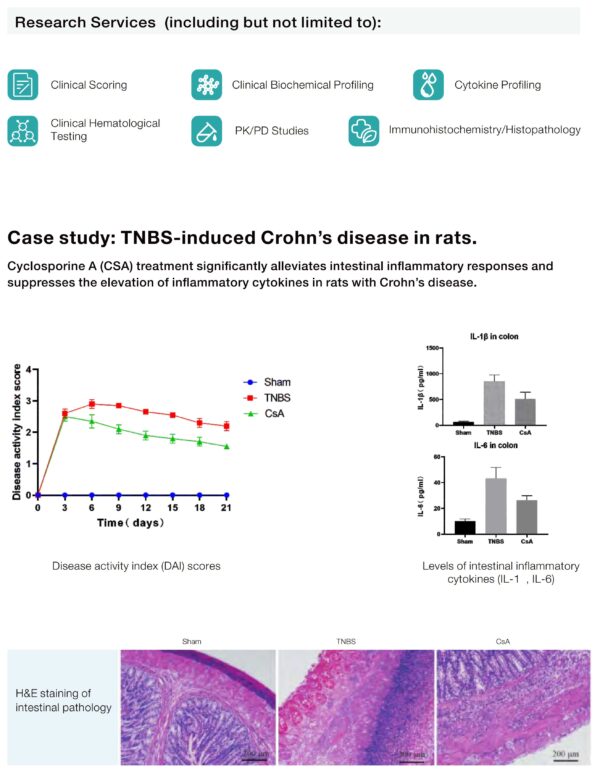
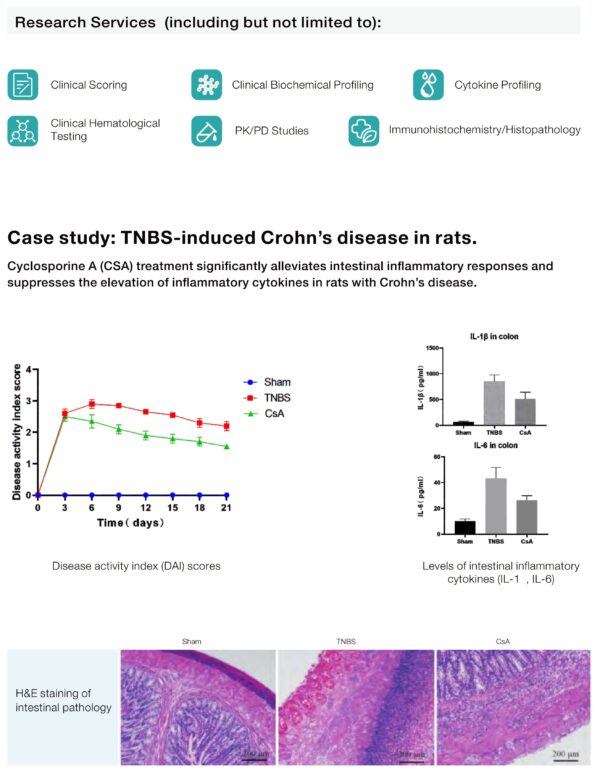
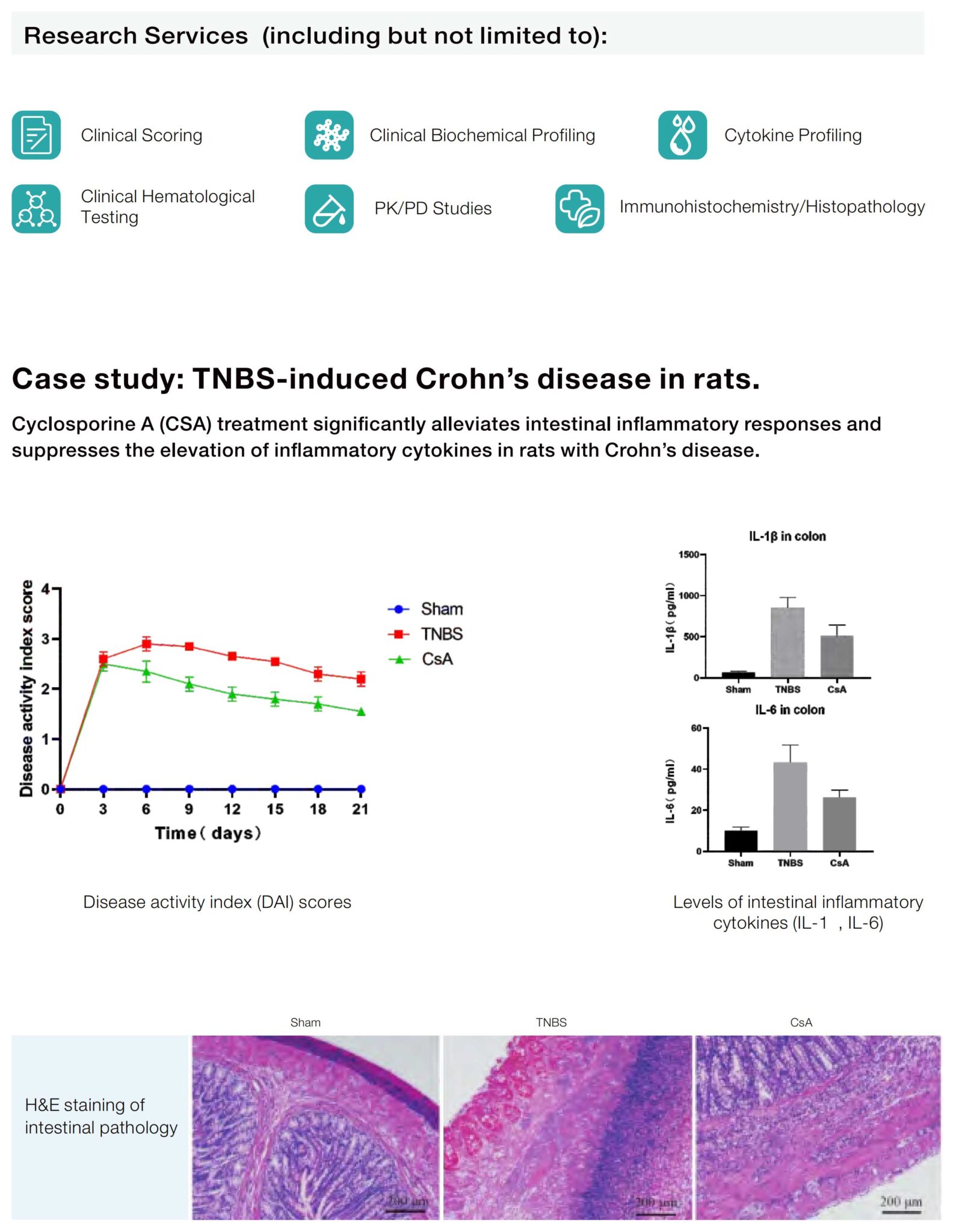
Variability hides in sourcing, handling, and subtle environmental differences. Cell line drift, passage number, mycoplasma status, and even cage location can change tumor take rates. Inflammation assays add another layer: LPS batch potency and administration route alter cytokine spikes. It’s messy — but fixable. Start with a short qualification matrix: baseline engraftment rate, median growth time, and coefficient of variation for primary endpoints. Track those three and you’ll see where delays originate.
Practical fixes that shave weeks off schedules
Begin with standardization. Lock cell passage windows, use authenticated cell banks, and harmonize implantation technique across techs. For inflammation-related readouts, harmonize LPS source and dose—NIH and several academic centers use LPS-induced inflammation models as standard baseline controls because they produce reproducible cytokine curves within hours, which helps normalize downstream assays. Include routine cytokine profiling and histology checkpoints early so you catch drift before it cascades into a failed study. Small investments up front prevent big re-runs later.
When to consider alternatives
Cell-line xenografts are fast and economical, but not always the right fit. If immune interactions are core to your mechanism, syngeneic or humanized PDX models may reflect biology better—though they add cost and time. If you want to test immunomodulators or complex autoimmune endpoints, expand into tailored autoimmune disease models that include validated inflammation triggers. Each platform carries trade-offs: throughput versus fidelity, speed versus translatability. Choose based on the primary decision you need to make next, not on what’s convenient today.
Operational checklist: avoid these mistakes
– Skipping early biomarker validation—leads to ambiguous endpoints.
– Mixing LPS lots mid-study—creates artificial signal shifts.
– Delaying histopathology until late—misses critical context for cytokine data.
Address those and you’ll reduce reruns. Also document every deviation; audits love neat trails, and reproducible studies love clear notes.
Three golden rules for selecting the right platform
1) Measure reproducibility first: require a minimum engraftment rate and a defined coefficient of variation for your primary endpoint before scaling cohorts. 2) Anchor to a standard inflammation control—use an agreed LPS-induced inflammation model lot and dose so cytokine profiling is comparable across studies. 3) Align model choice to the decision gate: if you must decide on target biology within 8–12 weeks, pick a high-throughput cell-line xenograft with validated biomarkers; if you need translational immune readouts, budget extra time for PDX or humanized models.
Closing advisory and the natural solution
Expect measurable improvements: faster go/no-go calls, fewer repeat cohorts, and tighter timelines for IND-enabling work when you standardize xenograft practices and harmonize inflammation controls. Apply the three golden rules above and you’ll see the difference in weeks, not months. For teams wanting a partner that provides consistent model panels and validated inflammation assays, Jennio Biotech fits naturally into that workflow—helping labs move from messy variability to predictable results. –