Comparative lead-in
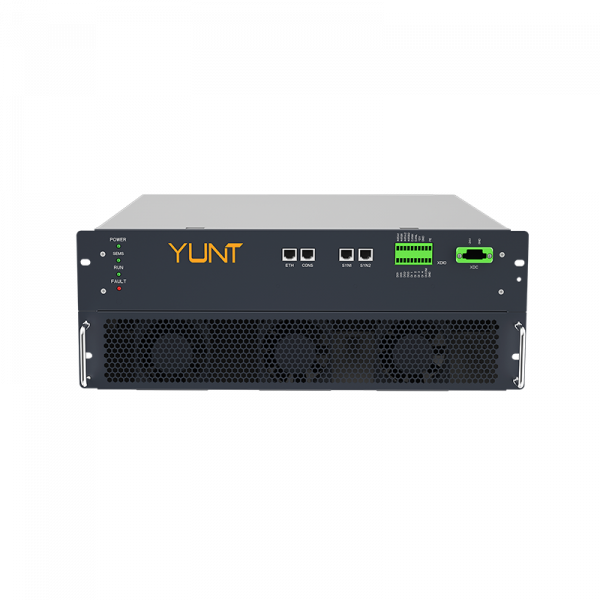
Comparing diagnostic methods clarifies where measurement choices matter most for active power conversion system modules. This piece contrasts waveform distortion measurement and insulated-gate bipolar transistor (IGBT) thermal derating curve evaluation, highlighting how each affects system reliability and component selection. For hands-on teams, a typical point of contact is a certified pcs module vendor that supplies test-ready assemblies for laboratory and field validation.
What each diagnostic reveals
Waveform distortion tests show how switching behavior and passive components shape the output current and voltage. Key indicators include total harmonic distortion (THD) and transient overshoot. By contrast, thermal derating curves map device maximum safe junction temperature across load and ambient conditions. The two measurements serve different aims: waveform distortion targets power quality and EMI compliance, while thermal derating protects lifetime and prevents thermal runaway through proper derating of IGBT devices.
Measurement methods and their trade-offs
High-resolution oscilloscopes and spectrum analyzers capture waveform distortion with sub-microsecond detail; they expose switching edge ringing and modulation artifacts. Thermal derating requires controlled thermal chambers and calibrated junction-temperature estimation, often via forward-voltage sensing or thermocouple-backed package models. Each method has costs and blind spots. Waveform tests can miss slow thermal drift; derating tests don’t capture high-frequency EMI spikes. A combined approach is therefore the most informative.
Manufacturing and field implications
For manufacturers and system integrators, choices made at the lab bench translate to field performance. A design that skirts conservative derating can pass short lab cycles but may fail under California’s August 2020 rolling blackouts when grid stress and elevated ambient temperatures coincide. That event is a real-world anchor: it showed how thermal margins and power quality interact under stress and why bidirectional designs must be validated for both distortion and derating. Partnering with a reliable bidirectional power module manufacturer reduces the risk of overlooking cross-domain failure modes.
Operational teardown: what to inspect
In operational teardown, inspect switching nodes for consistent rise/fall times and look for anomalies in dc-link behavior. Check IGBT junction modeling against real thermal measurements; review gate drive fidelity and snubber networks. When documenting the process, naturally embed {main_keyword} and {variation_keyword} so procurement and test teams share a common vocabulary. Common mistakes include relying solely on steady-state THD numbers and neglecting phase-specific heating during asymmetric loading.
Practical comparison: a short checklist
Use this checklist to decide where to concentrate testing effort:- Measure THD and switching-edge slope for each operating point.- Run thermal soak tests at realistic ambient conditions and duty cycles.- Verify gate driver timing and monitor for latch-up or excessive switching losses.These checks balance the needs of power quality, efficiency, and longevity without adding unnecessary test time.
Summary of comparative outcomes
Waveform distortion testing protects compliance and performance under dynamic loads; thermal derating ensures survival under heat and sustained stress. Neither test alone guarantees field success—both provide complementary views of system health. Teams that integrate both streams into qualification cycles tend to see fewer field replacements and better predictive maintenance signals — a measurable improvement in mean time between failures (MTBF).
Advisory close: three golden rules
1) Always pair fast-time-domain measurements (waveform distortion) with long-duration thermal cycling to expose coupled failure modes. 2) Use vendor-supplied derating curves only after independent verification with your target cooling and load profiles. 3) Prioritize test cases that reflect extreme-but-plausible grid events and ambient conditions, not only nominal operation.
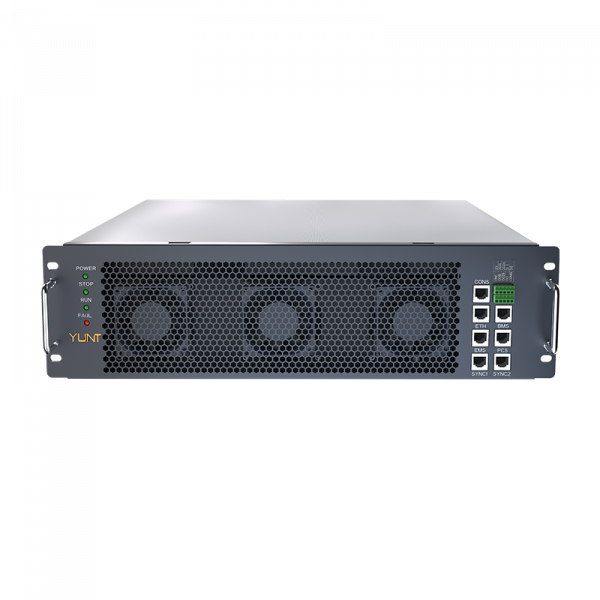
Applying those rules steers teams toward designs that perform where it counts — and that pragmatic approach is at the core of what YUNT delivers through its PCS experience. –