
The Problem — Data Without Direction
The dashboards glow like cold lanterns, full of signals that mean nothing if you don’t know which ones to heed. Van routing, repairs, idle hours — they pile up until decisions are guesses. Modern teams that run van fleet operations need clear priorities; otherwise every alert becomes noise. I’ll speak plainly about what separates useful telemetry from haunting clutter, and why a focused van fleet management approach matters, whether you’re turning out deliveries at dawn in London or dispatching service vans at noon.

What to Track — The Few Metrics That Expose the Real Problem
Track what reveals cause and cost. Track what forces action. The following are non-negotiable:• Vehicle availability — hours each van is fit to work; downtime is profit lost. • Utilization by shift — which vans carry the load and when; empty miles hide waste. • Unplanned maintenance events — frequency, fault types, and repair durations. • Fuel or energy consumption per route and per payload — raw consumption alone lies; normalized consumption exposes inefficiency. • Route punctuality and stop-level adherence — late windows cost reputation. • Driver behavior incidents — harsh braking, idling, overspeeding; repeated patterns predict damage. • Asset location and dwell time — where vans stall, and why. Each metric must be tied to an operational decision: reroute, repair, retrain, or retire.
Reporting That Reveals Cause, Not Just Effect
Reports should do three things: surface anomalies, link them to a root cause, and recommend the next action. Use layered reporting:• Raw logs — retain for forensic work, short-term. • Aggregated KPIs — daily and weekly summaries that tell whether systems are getting better or worse. • Trend windows — 7/30/90 days to detect creeping declines. • Exception lists — prioritized items that require intervention now. Avoid dashboards that only show last-mile snapshots. A practical stack combines telematics feeds with maintenance records and driver logs; the synthesis makes patterns visible. If your vendor calls it seamless, test the handoff: can you move from anomaly to ticket in two clicks? For that integration, a solid van fleet management system should let operations act without translation.
Common Pitfalls and How to Escape Them
Teams fall into three traps. First, they hoard metrics — everything feels important until nothing is. Prune relentlessly. Second, data quality fails quietly: mis-calibrated sensors, missing GPS pings, or mismatched maintenance codes create misleading trends. Institute validation rules and sample audits. Third, metrics live in isolation: telematics here, invoices there. Force links between cost lines and telemetry. When you face a surprise repair bill, trace the last 30 days of driving to see whether behavior or deferred maintenance caused it.
Choosing Tools — What a Provider Should Deliver
Expect these concrete capabilities from any solution:• Reliable, timestamped telematics with configurable sampling. • Maintenance workflows that convert fault codes into repair jobs. • Normalization utilities to compare consumption across payloads and routes. • Exportable reports and open APIs for downstream analysis. Cheap trackers give location; useful platforms give cause. Vendors differ on data openness, support SLAs, and the depth of analytics. Match the platform to your scale: small fleets need clarity and automation; larger operations demand customizable analytics and integration points.
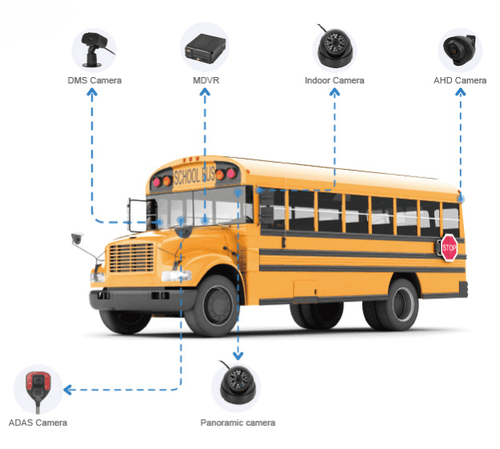
Final Synthesis — From Shadow to Ledger
Stop worshipping every flash on the screen. Decide which failures you will tolerate and which you will not, then instrument to prove it. A focused set of metrics, disciplined reporting, and a provider that links signal to action turns dark telemetry into clear ledger entries. Let operational truth guide the next repair, the next route, the next training session — so the ghosts of untracked costs stop returning. That practical clarity is what an experienced team finds most useful at the end of a long route with tired drivers, and what BSJ embodies in its steady approach to van fleet data.