Why compare aesthetics with motion performance?
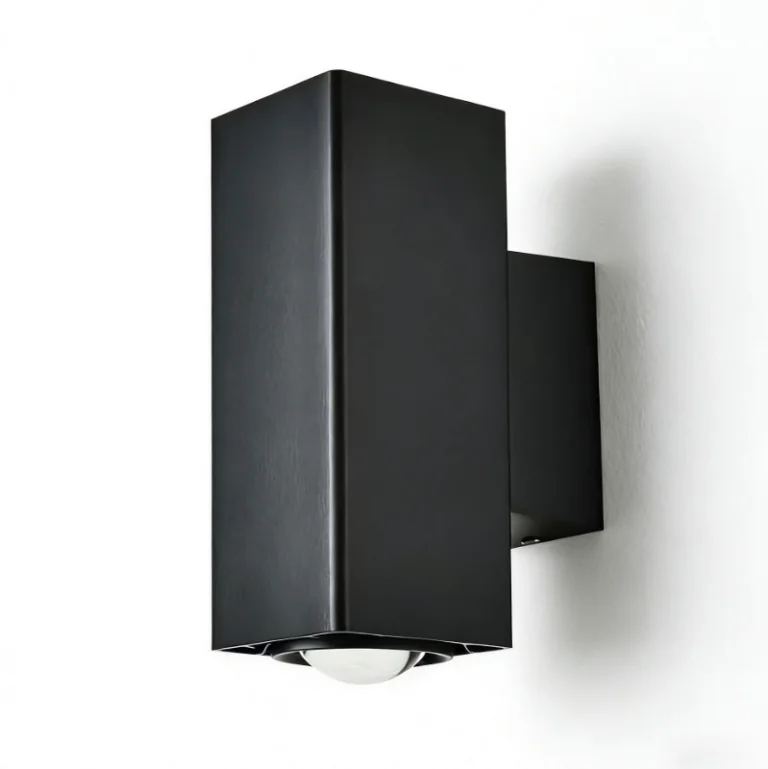
When you first look at an outdoor fixture, it’s tempting to judge it by style alone. But over a few seasons I learned to weigh appearance alongside practical metrics like motion detection range and lumen output. This comparative lens helps brands, property managers, and even homeowners pick lights that protect, guide, and flatter the architecture. If you want a quick example of a hybrid approach, consider an outdoor wall lights motion sensor that balances discrete design with robust sensor coverage — that’s where form meets function in one package.
How I think about the trade-offs
In my experience, there are three axes worth comparing: visual integration, detection performance, and installation resilience. Visual integration covers finish, scale, and how a fixture complements facades or landscaping. Detection performance looks at motion sensor field-of-view, PIR sensitivity, and reliable trigger zones. Installation resilience means IP rating, mounting options, and ease of aiming the beam angle during commissioning. Put those together and you stop choosing lights by color temperature alone — you choose them for outcomes.
Side-by-side: typical fixture families
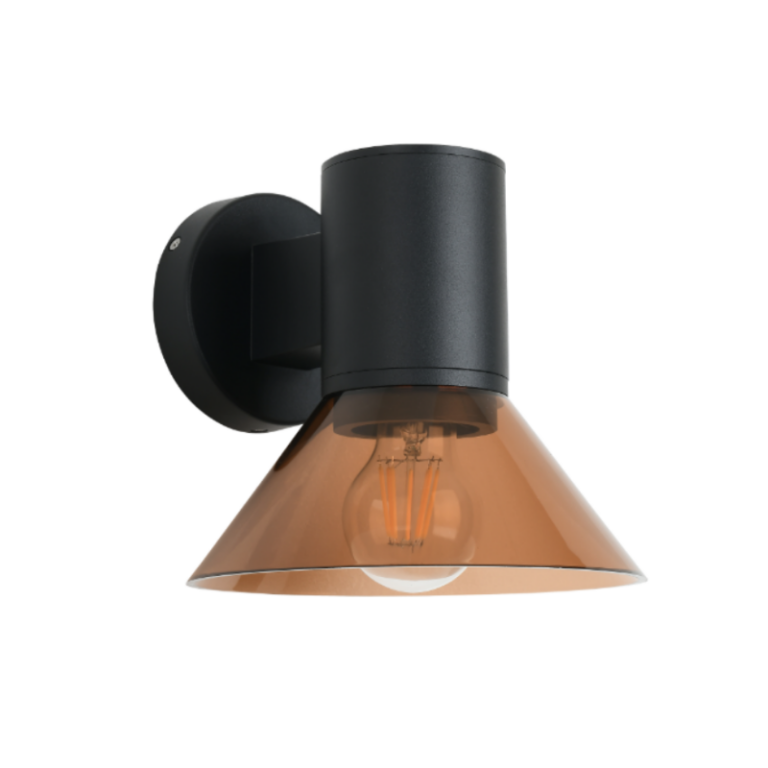
Here’s how common options stack up in practice:
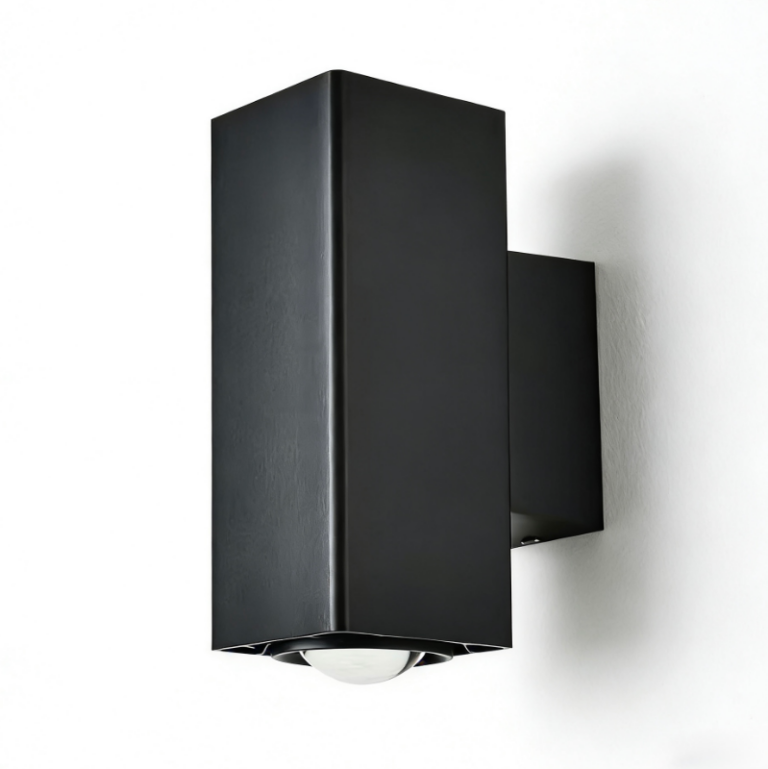
- Architectural sconces — Best for blending with building materials and offering controlled downlight; usually modest lumen output and narrow beam angles.
- Flood-style motion fixtures — Strong detection and broad coverage, higher lumen output, but can glare or wash facades if placed poorly.
- Integrated sensor wall lights — Combine mid-range lumen and concealed sensors for cleaner sightlines; ideal when aesthetics matter as much as coverage.
Real-world anchor: a small hotel retrofit
Once, I supervised a retrofit for a coastal inn whose front terrace felt both dark and intimidating at night. We tested wall-mounted fixtures with adjustable PIR sensors and compared IP65-rated options against cheaper, lower-rated units. The hotel’s guests appreciated warmer Kelvin tones and softer spill, while the staff valued fixtures that could be aimed to cover key pathways without creating hot spots. That mixing of subjective preference and objective measurement—beam angle, CRI, and sensor range—made the difference between an eyesore and a welcome arrival.
Common mistakes I still see — and a quick fix
People often buy the brightest thing on the shelf, assuming more lumens equals better safety. Not always. High lumen floods without proper shielding create glare, reduce night vision, and can upset neighbors. Another frequent slip: ignoring the mounting height when estimating sensor coverage — a sensor mounted too high shrinks effective detection. A practical step: mock up fixtures in place with temporary lamps and observe at dusk — it saves headaches later. —
Comparing brands: what really separates good from great
Brands that earn trust usually excel in three areas: standardized technical data (true lumen, beam angle, IP rating), reliable motion sensor algorithms that reduce false triggers, and thoughtful accessory options like backplates or shields for light control. Look for clear specs and on-site support during commissioning; that’s often where value pays off. For hotel projects in particular, fixtures marketed as hotel exterior lighting frequently account for hospitality needs like uniform walkway illumination and low-glare activation zones.
Practical checklist before you buy
Before signing off on a fixture, run through this list:
- Confirm mounting height and sensor field-of-view match desired coverage.
- Check IP rating for your environment (coastal, rainy, dusty) — IP65 is a common baseline.
- Match color temperature and CRI to the building’s style for cohesive appearance.
- Request a short-term on-site demo when possible; real-world behavior beats lab claims.
Three golden rules for selecting outdoor lighting
1) Measure outcomes, not claims: insist on spec sheets showing true lumen output, beam angle, and verified motion coverage patterns. 2) Design for people: prioritize reduced glare, visual comfort, and consistent pathway illumination over raw brightness. 3) Plan for installation and maintenance: choose IP-rated fixtures with replaceable drivers or modular sensors to extend service life.
When those rules are followed, the choice becomes less about a brand’s marketing and more about how a fixture performs over seasons — and that is the real expense and value. Keyida. –