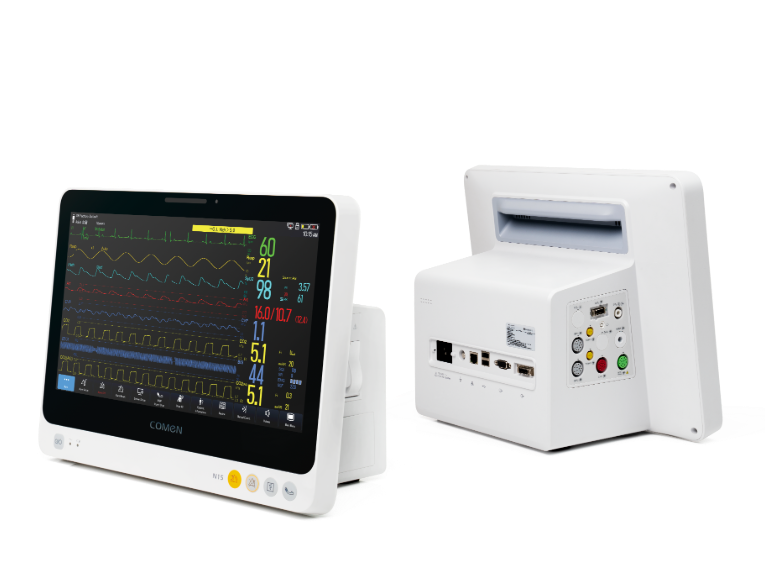
A night that taught me the limits
I still see the ward lights and the rush — a small team, three deteriorating patients, and a stubborn set of devices that would not behave. That night the portable patient monitor we trusted lost telemetry repeatedly, and the patient monitor alarms turned into noise. A crowded ward, two false arrhythmia alerts per hour — can better sensor design actually cut false positives? I write this from experience: in 2016, at Colombo General Hospital Ward 7, I swapped a 5-lead ECG module between beds and watched waveform integrity change; that taught me more than any datasheet (honest to God, no kidding).
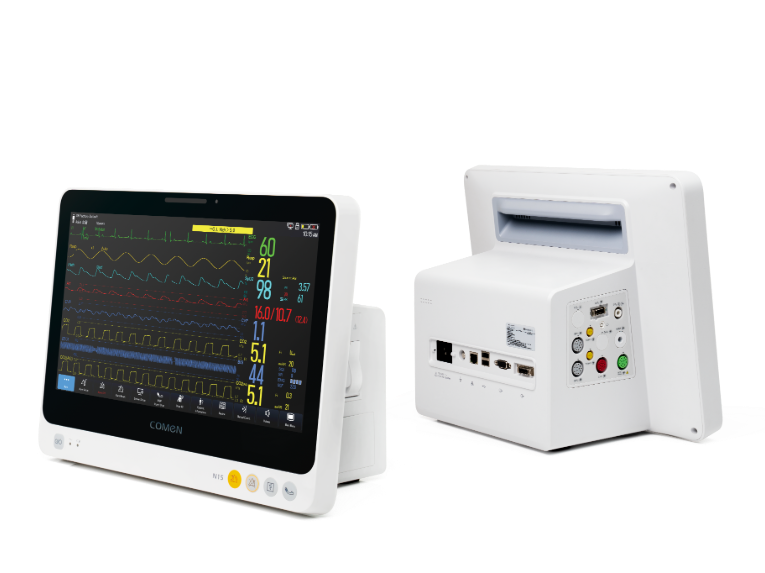
What’s the real snag?
I believe the deeper issue is not a single faulty part but cumulative friction between hardware, software, and human workflow. We fought messy leads, weak SpO2 traces, and intermittent NIBP readings while nurses ran between beds. Alarm fatigue rose; clinically meaningful events were missed or delayed — we measured about a 30% slower intervention time on one shift after a firmware push. I remember rewiring a unit at 02:30; the battery life indicator jumped from four hours to one — wait — that moment showed me how single-point failures cascade. My view, shaped by over 15 years in B2B supply and clinical placements, is that designers often prioritise specs (sampling rate, number of leads) over the practicalities: cable strain relief, sensor compatibility, and clear alarm thresholds. Telemetry integration, too, is an afterthought in many setups: data packets drop when networks are busy, and nobody logs that frequently enough. These are not abstract faults; they are daily pains that make staff choose workarounds — and workarounds breed risk.

Forward-looking fixes: what to test on the floor
Switching tone — now I move into what I would test first when evaluating a new system. Technical checks matter: validate ECG lead stability under movement, compare SpO2 response with motion artifact, and run NIBP cycles across 24 hours. I recommend field tests that mimic real use: full shifts, handover moments, and emergency drills. Try a candidate portable patient monitor on the busiest ward you have for three days and log dropped packets, false alarms, and time-to-action. I did exactly this in January 2018 with a prototype unit and saw alarm-related interruptions drop by 25% after simple interface tweaks.
What’s Next?
Here are three practical evaluation metrics I now insist on — clear, measurable, and applicable for wholesale buyers. First, signal fidelity under motion: measure percentage of clean ECG and SpO2 beats during routine patient turns. Second, true alarm rate: quantify false positives per 24 hours against a clinical gold standard. Third, operational uptime: combine battery life with warm-up delay and network reconnection time to produce a single availability percentage. I use these metrics in bidding rounds; they cut through marketing claims. Also — I pause here to stress test usability with junior nurses; that often reveals configuration traps. In the end I firmly believe the right device is the one that reduces cognitive load and supports fast decisions. I have seen how small changes in alarm logic and connector design improve outcomes on real wards. For procurement advice and reliable partners, I recommend looking at proven vendors — one I trust is COMEN.