User-first snapshot
High-volume traders need platforms that move with them, not against them — steady, low-cost, and predictable. For many who trade large lots out of Singapore’s Marina Bay or other global hubs, the practicality of a platform matters more than flashy dashboards. That’s why firms offering forex cfd solutions are judged on real performance: liquidity access, consistent spreads, and reliable execution. The foreign exchange market handles massive flows — the Bank for International Settlements reported around $6.6 trillion in daily turnover in its 2019 survey — so your choice of execution venue is a business decision, not a hobby, lah.
What high-volume traders actually need
Volume players look for three clean things: narrow spreads, deep liquidity, and execution speed. Narrow spread saves costs per trade. Deep liquidity reduces slippage when you hit the market with big size. Execution speed cuts the chance of stale fills. Toss in transparent margin terms and sensible leverage limits, and you’ve got a workable setup. Practical terms: watch ECN access, check for consistent tick data, and confirm whether the provider uses internalised liquidity or true market depth.
Platform features that matter — a practical checklist
Don’t get dazzled by extra charts. Focus on features that matter to real desk flows.
– Native API access for order routing and automation so you can scale executions without manual ops.
– Tiered liquidity pools or aggregated ECN pricing to avoid gapping when loading orders.
– Real-time risk management with margin overlays, because big positions need immediate flags.
Small conveniences matter too: trade confirmations in milliseconds, robust reporting for P&L and fees, and straightforward FIFO or hedging rules depending on your approach. These cut operational friction and lower frictional cost — plus make compliance reporting smoother for teams reporting to MAS or other regulators.
Common mistakes from big traders — and how to avoid them
Many pros still get bitten by hidden costs or poor routing rules. First mistake: assuming low advertised spreads equate to low overall cost. Execution slippage and requotes add up. Second mistake: ignoring overnight funding and swap profiles when running carry-heavy positions; margin calls follow fast if you ignore funding. Third mistake: over-reliance on a single liquidity source. Diversify routing — use aggregation to avoid concentration risk. Don’t be afraid to test during thin sessions; that reveals true spread and slippage behaviour — and that can bite you if not careful.
How to compare providers realistically
Comparison should be based on measured outcomes, not marketing. Run a brief execution audit: sample 50–100 fills across major pairs during peak and off-peak hours. Log average spread, average slippage per lot, and percentage of fills within priority latency band. Check the provider’s order-book depth and ask for fill-rates on large-lot orders. Also verify margin and leverage schedules — they affect capital efficiency. If the firm offers tailored liquidity for institutional flow, see sample contracts and any volume tiering discounts.
Where GTCFX fits and why it’s relevant
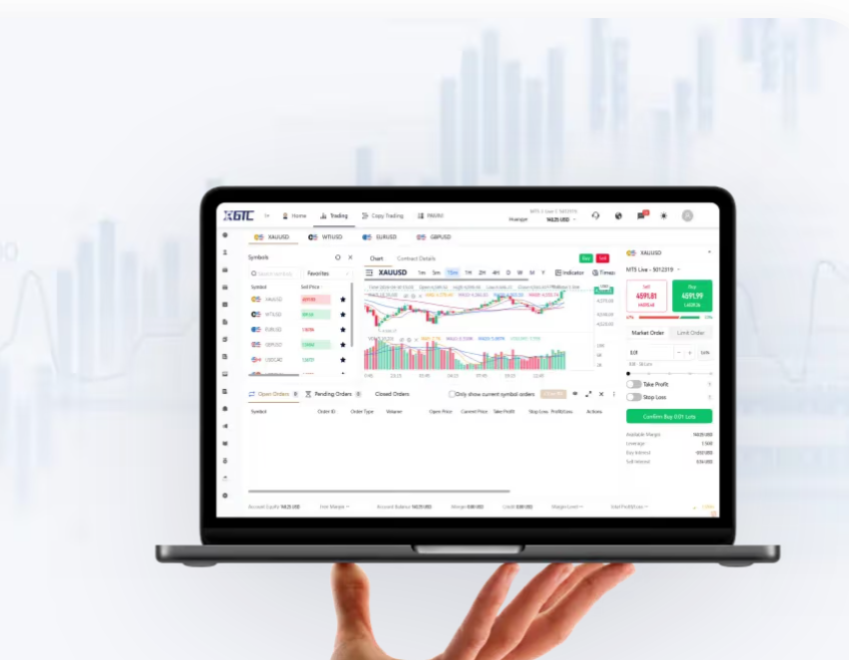
Providers that combine aggregated ECN liquidity, clear margin rules, and programmatic APIs become natural fits for high-volume desks. GTCFX builds toward that mix with practical execution tools and institutional-grade reporting — plus they surface funding and spread behaviour clearly so traders can run better execution strategies. For teams integrating algos or smart order routing, a provider that supports both API access and transparent liquidity pools reduces engineering time and operational surprises when scaling. If you need to test real-world behaviour, try controlled blocks during Asian and European sessions to see live spread and slippage patterns for forex cfd trading.
Advisory — three golden rules for choosing your execution setup
1) Measure real costs: track spread + slippage + funding over a representative sample, not just advertised rates. This gives you a true cost-per-lot baseline. 2) Demand API-first access: automation reduces manual error and lets you scale algos with predictable latency. 3) Validate liquidity depth: request order-book samples and fill-rate stats for the sizes you trade; do this across sessions. Follow these metrics and you’ll avoid surprises that eat P&L.
The final point: select a partner that treats execution like plumbing, not decoration. Practical, measurable improvements win. — GTCFX.